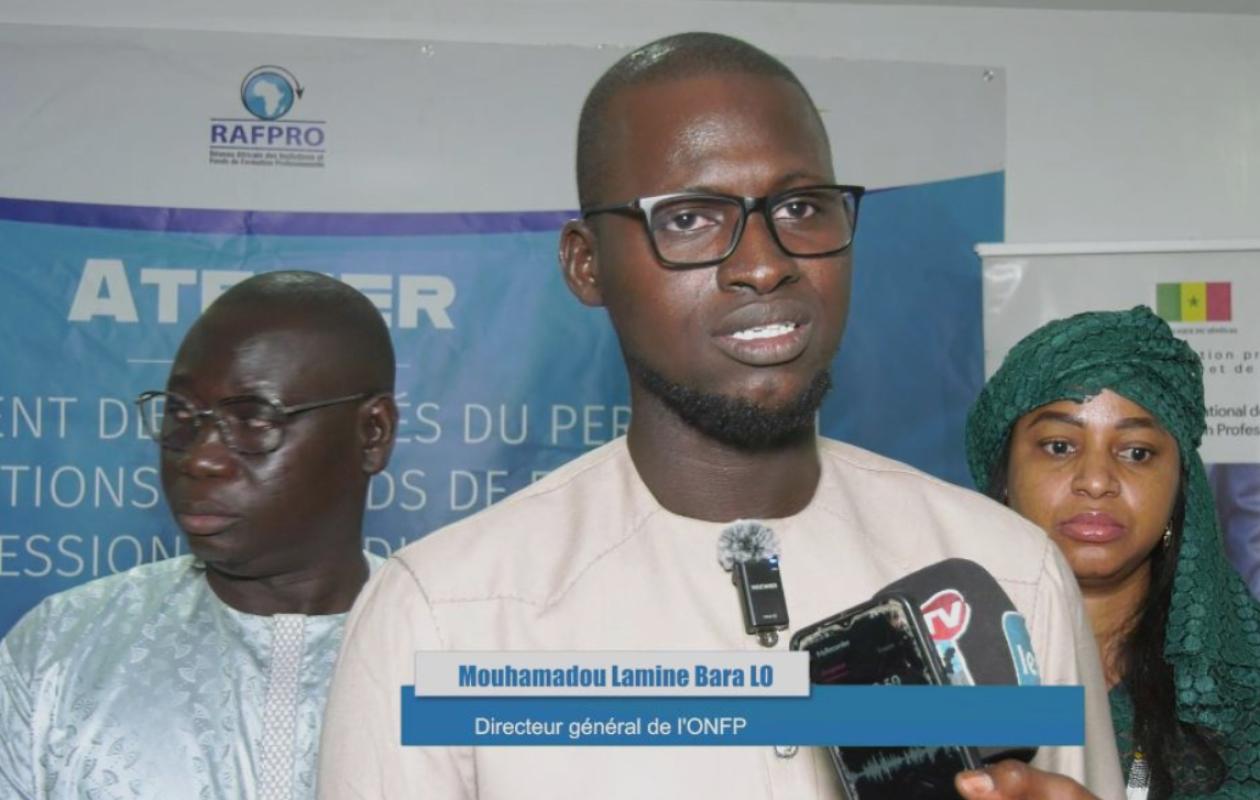
« Sortir des bureaux pour les ateliers » : Le plaidoyer de Mohamed Lamine Bara Lo pour les métiers techniques
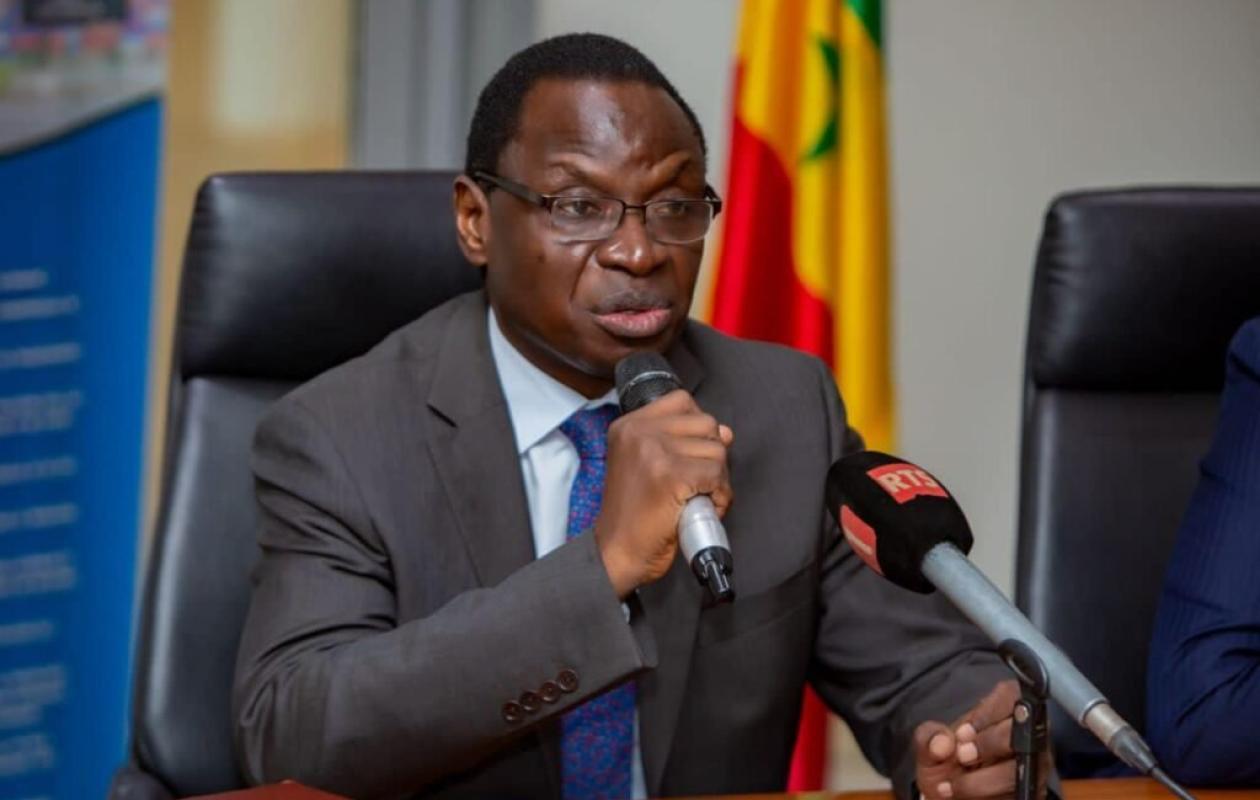
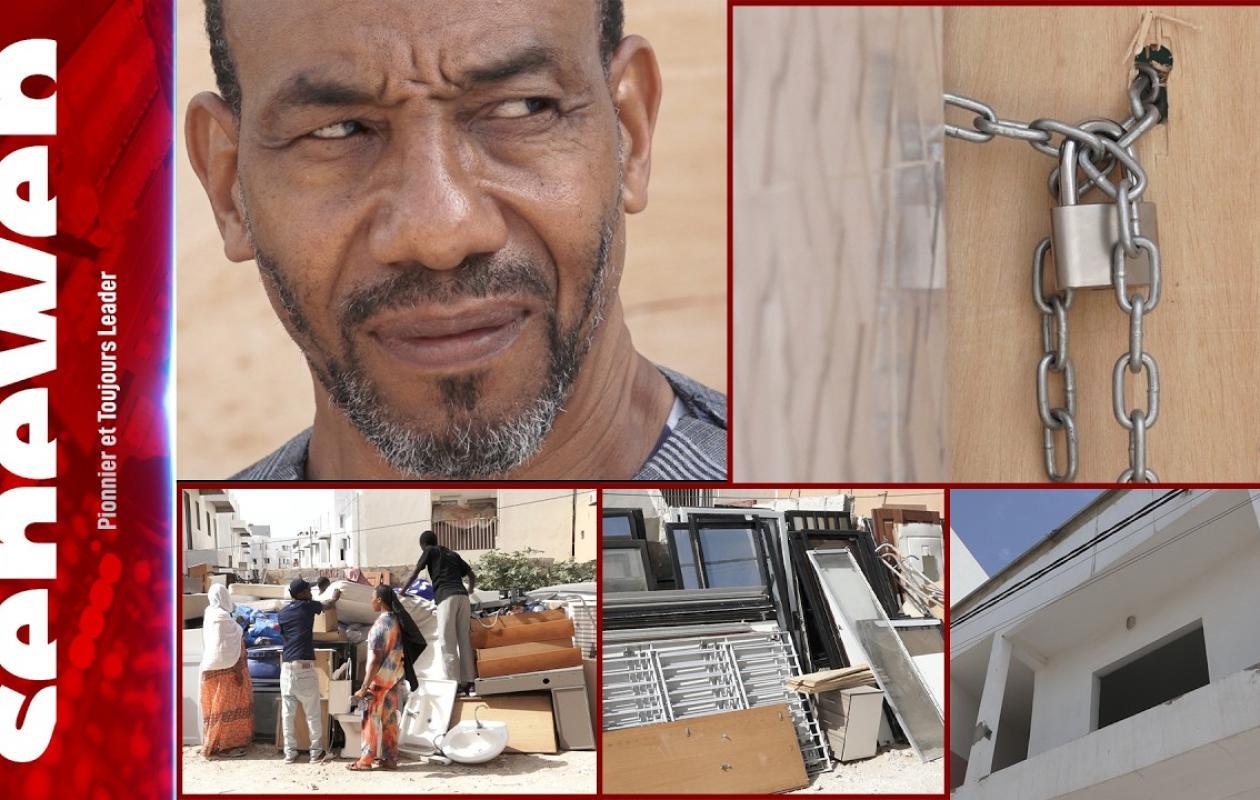
Invited to the "Sunday Jury" program on iRadio and iTV, the Director General of the National Office for Vocational Training (ONFP), Mohamed Lamine Bara Lo, discussed the challenges of employment, the need to promote skilled trades, and the urgent need to build a skills-based economy in Senegal. "A country is built on the value of work," he emphasized. For him, this value of work necessarily involves training young people.
"Senegal must prepare for job creation."
Mohamed Lamine Bara Lo believes that Senegal must now completely rethink its approach to the labor market. "Creating jobs naturally involves developing skills," he insists. According to him, the education system inherited from previous decades was not designed to produce immediately employable individuals.
As a result, many young people graduate from university without real job prospects, while entire economic sectors suffer from a shortage of skilled labor. For the Director General of the ONFP (National Office for Vocational Training), the future lies in expanding vocational training programs capable of directly addressing the needs of businesses and local communities. He also emphasizes the need for an inclusive approach, adapted to the country's social realities, particularly for the many young people who left school prematurely for economic or family reasons.
Rehabilitating the word "profession"
Mr. Lo laments the fact that many families still consider technical professions a second-best option. "In the subconscious of many Senegalese, success means being in an office and signing papers," he regrets. Yet, according to him, technical professions now represent one of the main drivers of economic development.
Metal construction, mechanics, carpentry, plumbing, leatherwork, and crafts: these are all sectors that offer significant job prospects and, sometimes, higher incomes than certain administrative positions. He specifically mentions the leather and hide industry, which he considers a sector with strong potential. But to capitalize on these opportunities, he believes it is essential to modernize production processes, strengthen technical skills, and support artisans in meeting international standards.
A "Major Offensive for Vocational Training"
Faced with cultural resistance and difficulties in accessing training, the Ministry of Employment and Vocational Training has launched a strategy called the "Major Offensive of Vocational Training." The Director General of the ONFP explains that this initiative aims to bring training centers closer to the people.
The stated ambition is clear: to eventually have training facilities in every department, or even in every municipality, with programs tailored to local economic realities. "We need to expand access to vocational training for Senegalese people," he asserts. This strategy also involves developing new curricula for several professions that currently lack official training standards.
"Nothing replaces a mastered craft."
He warns against certain pitfalls where young people may be tempted by easy money through gambling or precarious digital activities. For him, only the mastery of sustainable skills can guarantee solid economic integration and contribute to building a resilient economy.
Beyond individual trajectories, the head of the ONFP defends a global vision: that of a Senegal carried by generations of skilled workers and competent technicians, capable of supporting the structural transformation of the country.














Commentaires (1)
Participer à la Discussion
Règles de la communauté :
💡 Astuce : Utilisez des emojis depuis votre téléphone ou le module emoji ci-dessous. Cliquez sur GIF pour ajouter un GIF animé. Collez un lien X/Twitter, TikTok ou Instagram pour l'afficher automatiquement.