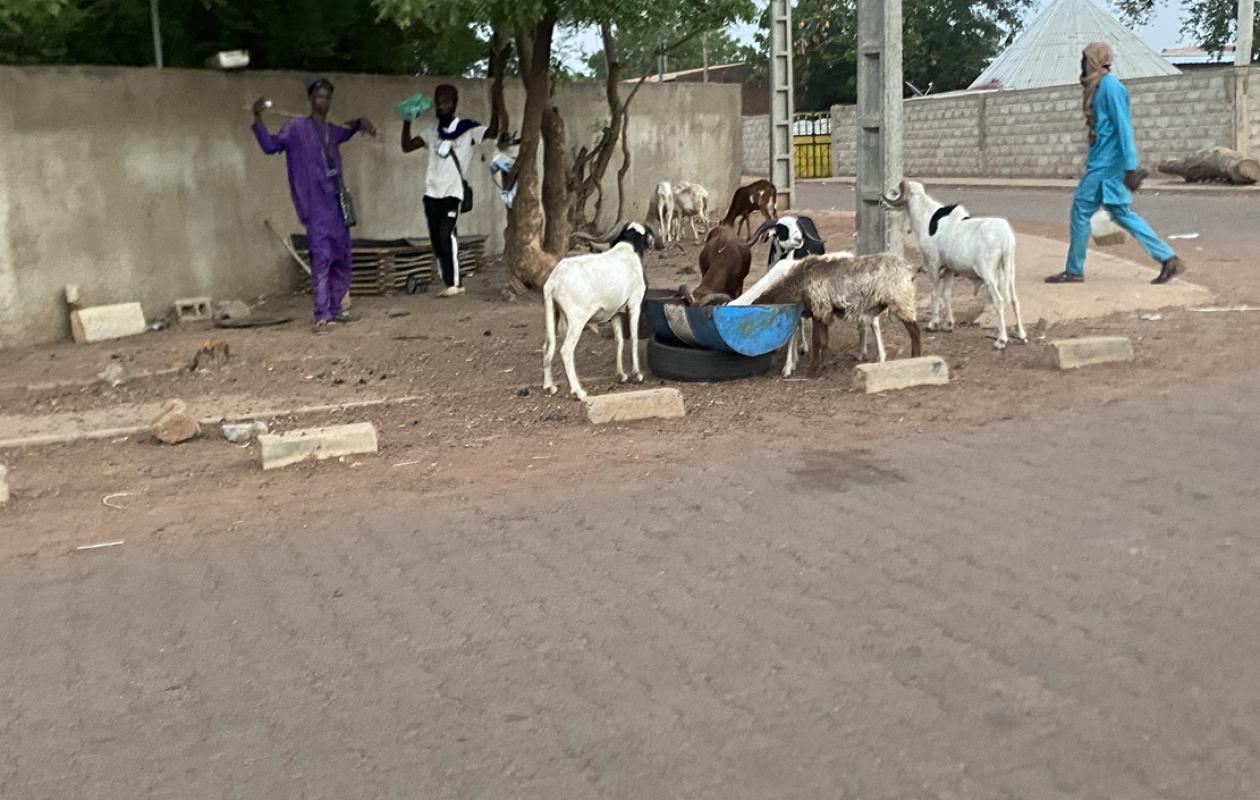
Tabaski 2026 – Le cri du cœur des pères de famille : « Impossible de trouver un mouton à 100 000 FCFA ! »
Ten days before the 2026 Tabaski celebration, the Kédougou region boasts well-stocked markets with sheep, goats, and other small ruminants. According to estimates from the Regional Livestock Directorate, 12,700 sheep are needed to meet local demand this year.
As of May 18, 2026, the supply rate to points of sale is 102.70%, representing a total of 13,043 small ruminants, including 10,422 sheep and 2,621 goats. At the same time in 2025, there was a surplus of 1,552 animals.
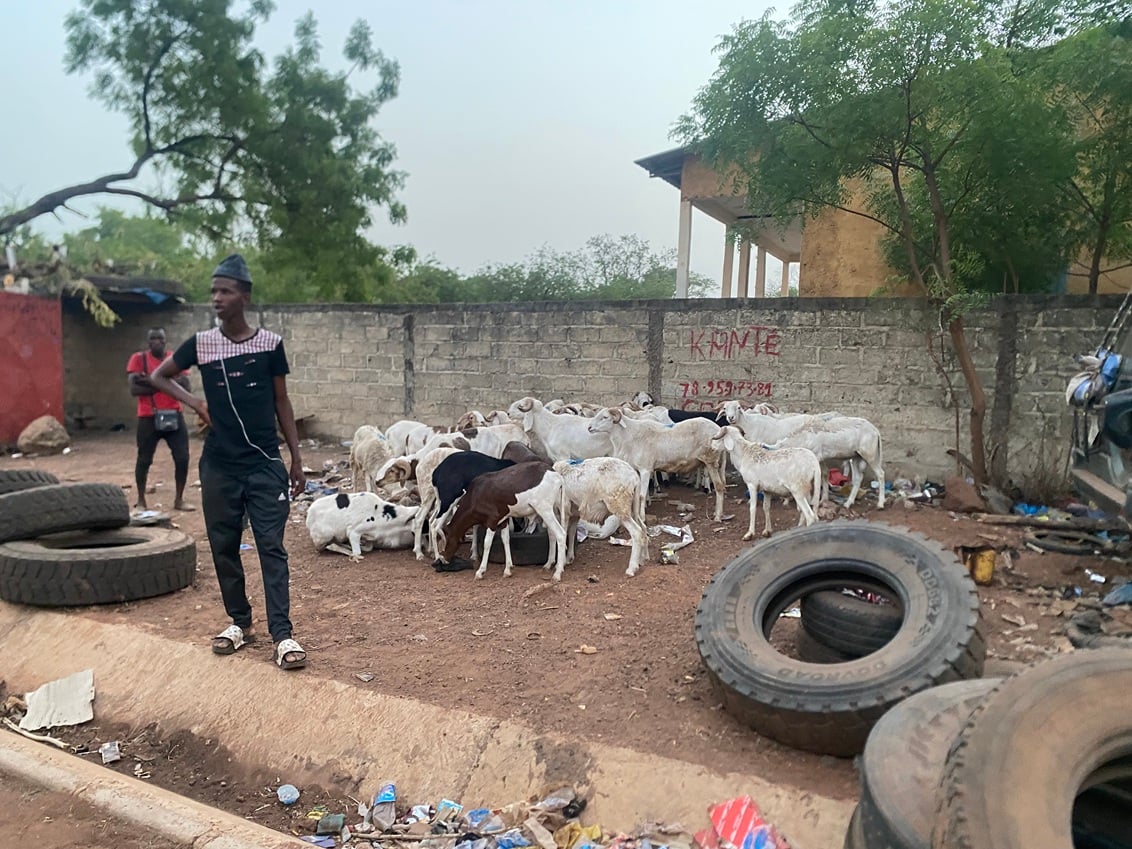
On the ground, the supply seems plentiful. At various sales points, particularly on the official website of the Kédougou municipality, the pens are full and the sellers are optimistic. But behind this apparent abundance, a growing concern is among many households: the soaring prices, which are putting sheep out of reach for many heads of households.
Sharp price increases are causing concern
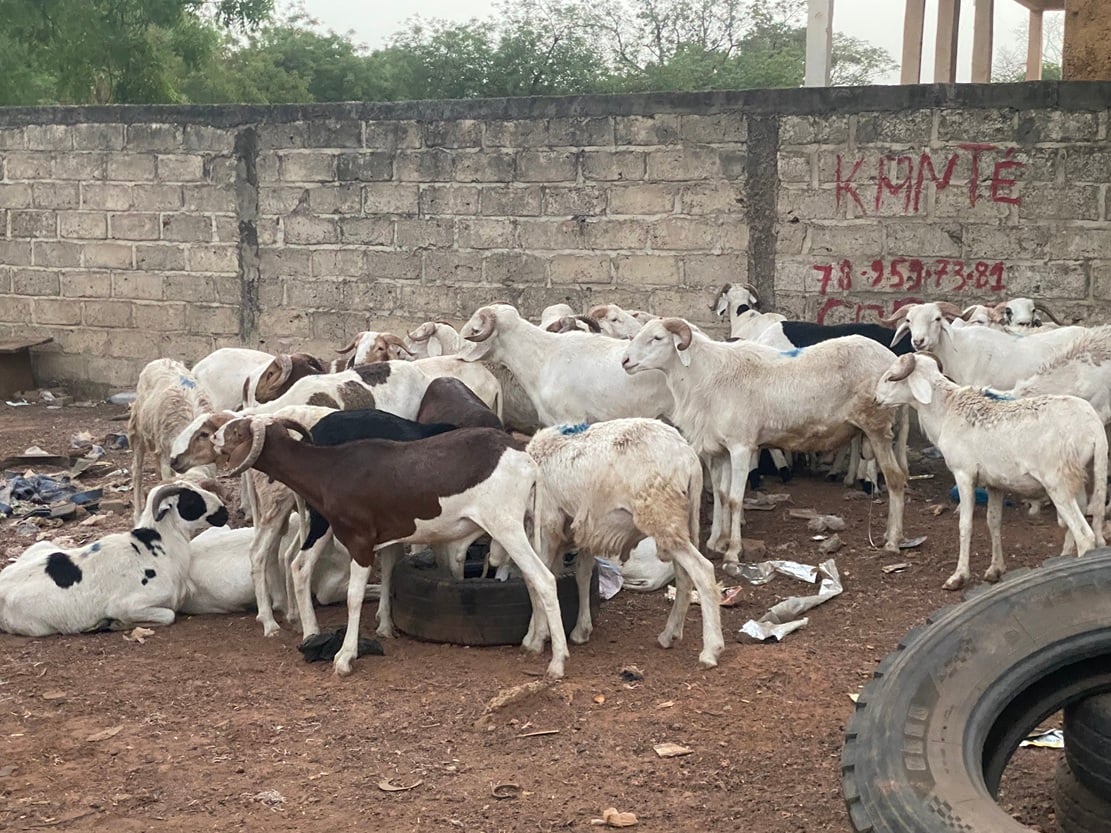
During a visit this morning to the main livestock market in the town, prices ranged from 150,000 FCFA to 400,000 FCFA, depending on the size, condition, and origin of the animals. Many customers considered this price range excessive, especially given the current climate of reduced purchasing power.
In front of the parks, several fathers expressed their dismay at this situation, which they considered alarming.
Mamadou Diallo, a teacher we met there, struggled to hide his frustration: “What’s happening here is serious. I can’t even find a sheep for 100,000 FCFA, even though that’s what I’ve set aside for Tabaski. Today, even with this help, it’s becoming almost impossible to observe this religious tradition without going into debt.”
Like him, many fear they will not be able to cope with the expense, as Tabaski represents both a spiritual obligation and a strong social pressure.
Between religious sacrifice and family responsibilities
For some households, the choice becomes painful between buying the sheep and other essential family needs.
Ibrahima Cissokho, a father, confided his bitterness: “I’m not even thinking about dressing my children for the holiday anymore. For now, the sheep remains the priority. But with 100,000 FCFA, we can’t cover all these expenses. The government needs to increase the Tabaski advance, to at least 200,000 FCFA.”
This demand comes up regularly in the market, where several workers feel that the current aid no longer reflects the reality of prices.
The sellers cite the cost of transportation and livestock feed.
Traders justify this increase by several factors: high transport costs, rising livestock feed prices, various taxes and logistical difficulties.
A vendor from the interior of the country explains:
“We too are suffering from the situation. Feeding and transporting the animals to Kédougou is much more expensive this year. If we lower our prices too much, we sell at a loss.”
Authorities called upon to strengthen social measures
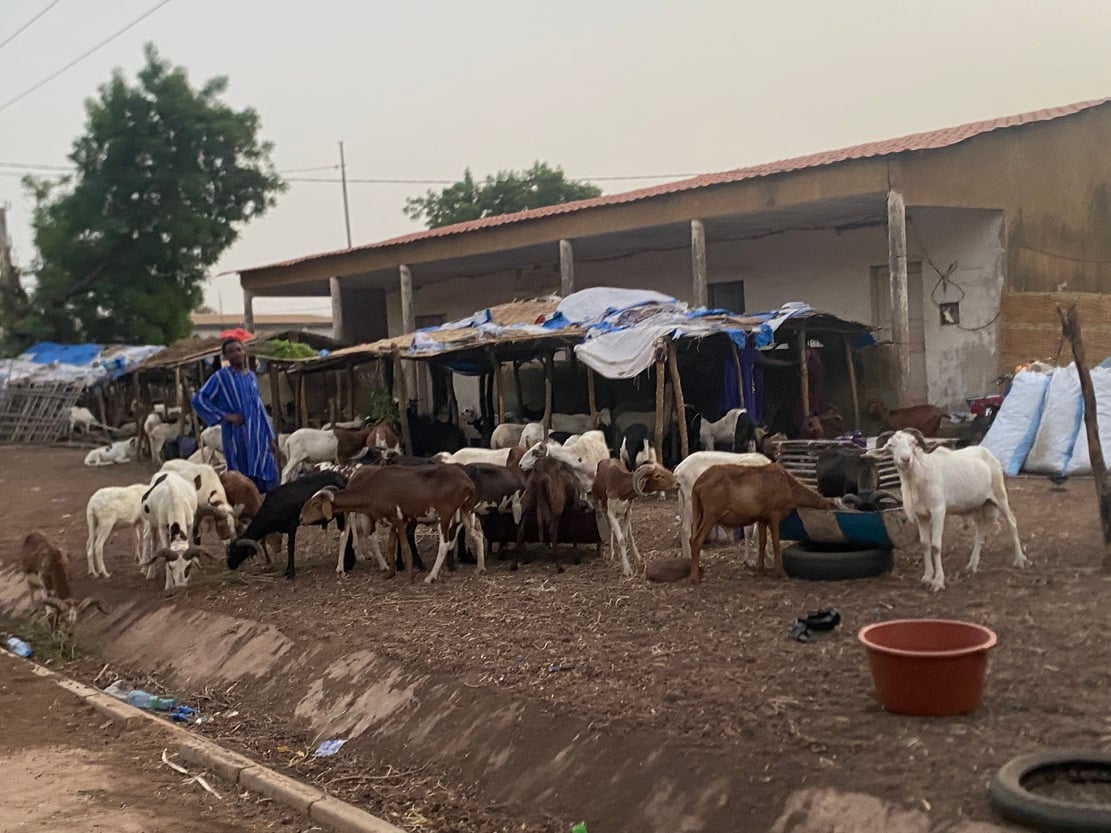
While authorities are pleased with the good supply levels just days before the holiday, the question of affordability remains unresolved. Households are now hoping for potential support measures or stricter market regulation.
In Kédougou, as in several regions of Senegal, Tabaski 2026 is shaping up to be marked by a paradox: sheep are available, but increasingly unaffordable. For many families, the real challenge is no longer finding a sheep… but being able to afford one.
























Commentaires (7)
Participer à la Discussion
Règles de la communauté :
💡 Astuce : Utilisez des emojis depuis votre téléphone ou le module emoji ci-dessous. Cliquez sur GIF pour ajouter un GIF animé. Collez un lien X/Twitter, TikTok ou Instagram pour l'afficher automatiquement.