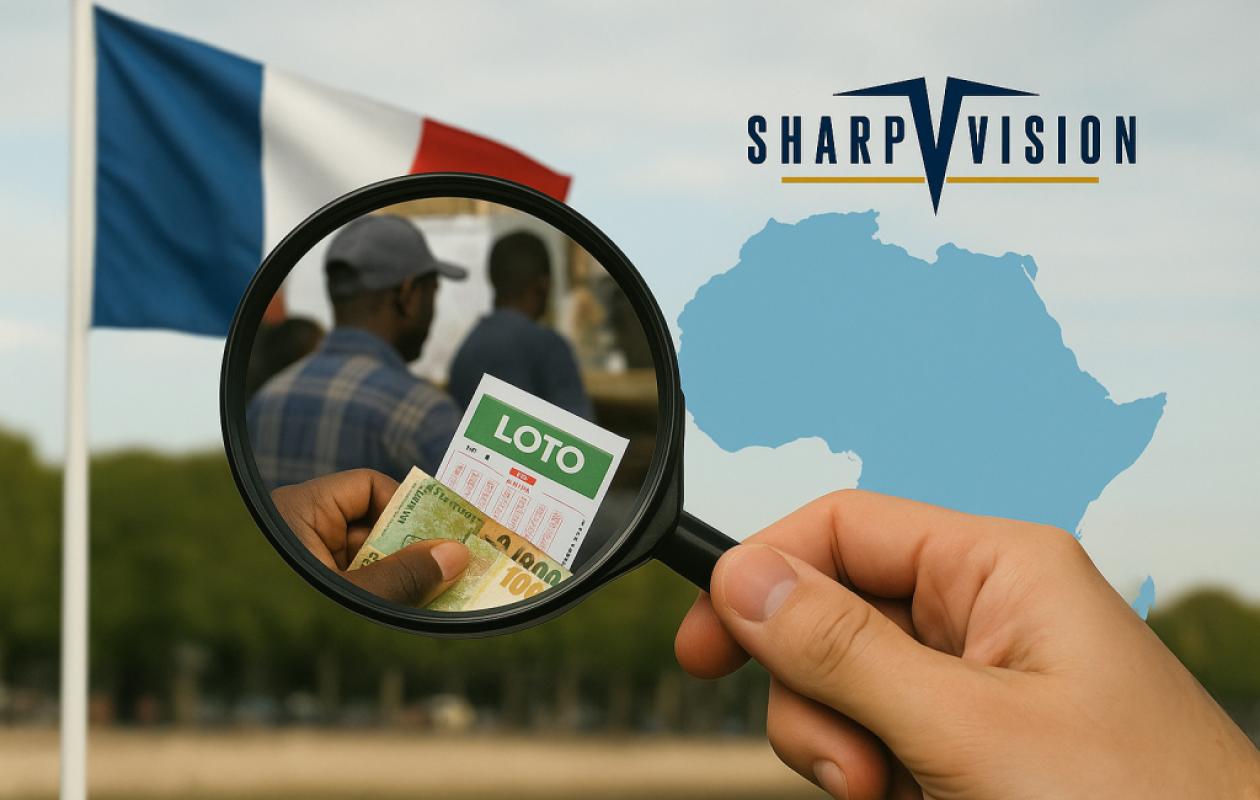
Trois pays, un même scénario : comment la société française Sharp Vision prend le contrôle de l’Afrique
Under the guise of “modernizing” the online gaming and betting sector, the French company Sharp Vision has quietly established itself as a key player in several West African countries. From Guinea to Senegal, via Ivory Coast, the same scenario is repeated: opaque partnerships, lack of competition, massive data transfers, and technological dependence of African states on a recently created foreign company.
In 2023, the Gaming and Related Practices Regulatory Authority (ARSJPA) in Guinea announced an exclusive partnership with Sharp Vision, entrusting the French company with the supervision of the entire national gaming market. The agreement immediately drew criticism in the local press: no call for tenders, no transparency regarding the contract's content, and above all, a company with no prior experience in regulating such a sensitive sector.
Beyond the doubts surrounding the allocation criteria, the issue of digital sovereignty quickly emerged. All Guinean operators were now required to transmit their data to a Paris-based company, fueling fears of a new form of economic interference in a context of growing rejection of French influence.
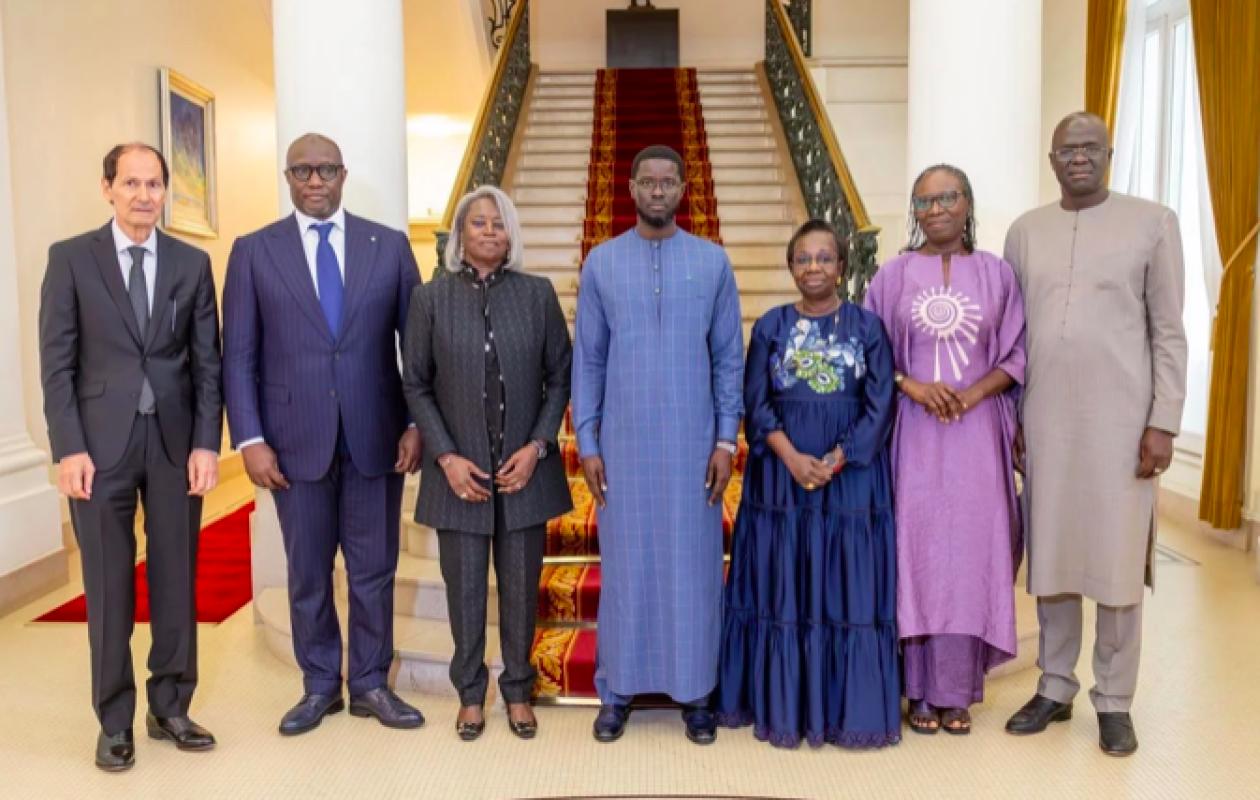
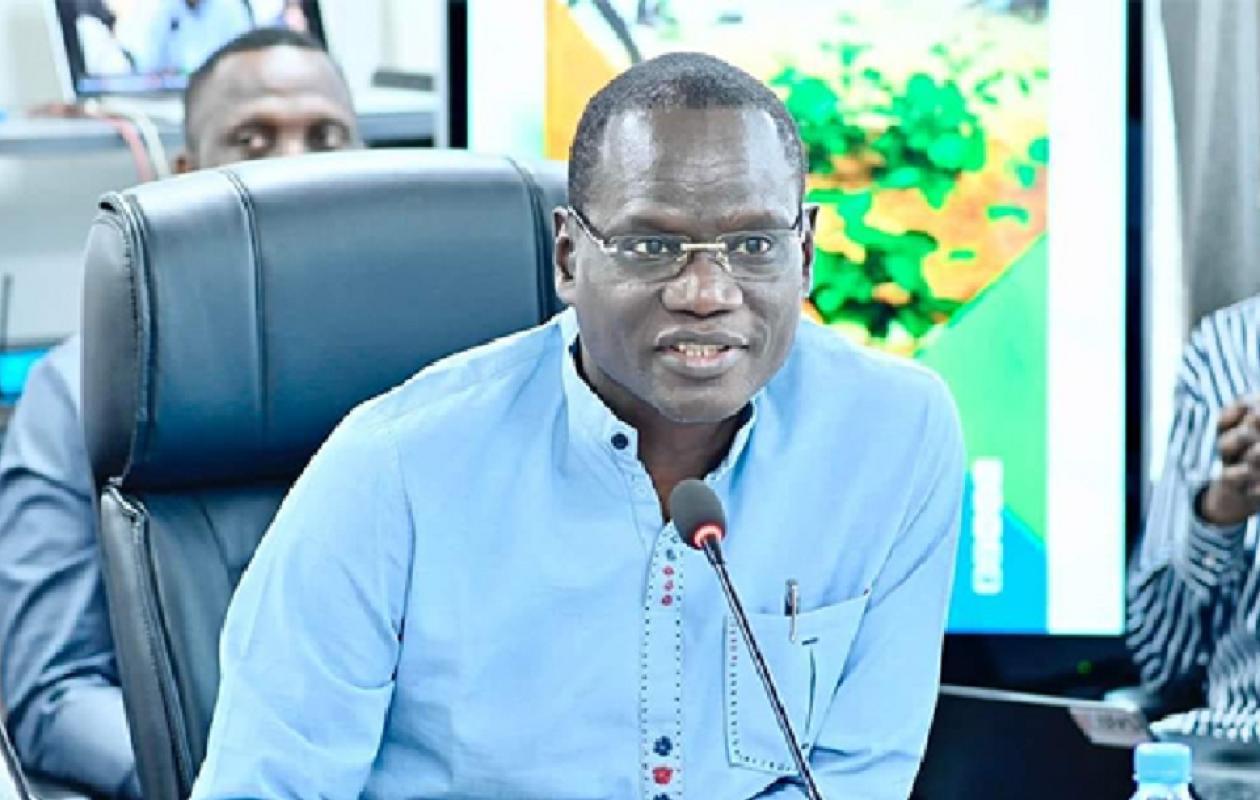
In Senegal, Sharp Vision and its sister company Honoré Gaming have signed several strategic partnerships with the Senegalese National Lottery (LONASE). These agreements were established while Lat Diop was still in office, in a context already marked by questions about the transparency and governance of the sector.
It was only several months later that the former director general was arrested, accused of misappropriating public funds, a case that revived criticism of certain internal practices and the management of contracts concluded during his tenure.
Behind the technological facade, Sharp Vision allegedly benefited from contracts awarded without competitive bidding, supported by a network of local intermediaries close to those in power. Internal documents also revealed advance payments and irregular financial flows , notably through the shell company Afitech, presented as a technical partner but suspected of acting as an intermediary for the Casanova brothers, founders of Sharp Vision.
After Guinea and Senegal, Ivory Coast followed the same path. The French company, through Afitech, was awarded the contract to supervise the gaming sector, without the authorities specifying the terms or criteria for awarding it. Local operators expressed concern about having to share their commercial and financial data with a foreign company once again. The official narrative remains one of “modernizing the sector” and “greater transparency,” but no independent audit has ever been made public.
In each of these countries, the mechanism is identical. Sharp Vision first establishes a direct relationship with national authorities, often through political or diplomatic contacts. It then quickly obtains an exclusive mandate under the pretext of providing a "turnkey" solution. Control of financial flows and data is concentrated in its hands, without independent oversight, while official communications emphasize innovation and the fight against fraud to mask the resulting dependency.
This strategy, although discreet, places Sharp Vision in a position of considerable power: that of a technical intermediary capable of managing, collecting and analyzing the financial data of a strategic sector on a regional scale.
In Europe, such practices would be unthinkable. Gaming and data operators are subject to strict rules of transparency, auditing, and compliance. In Africa, however, these companies exploit the legal vacuum and the lack of technical resources in African states to present themselves as guarantors of “modern” regulation.
But this imported modernization comes at a price: a loss of national control over considerable economic flows and the personal information of millions of African players.
Beyond the issue of gaming, it is African digital sovereignty that is at stake. Entrusting regulation to foreign providers means accepting that control over data, technologies, and public revenue will slip away.
Gradually to the continent. For many observers, Sharp Vision is just one example among others of economic neocolonialism 2.0, where control is no longer exercised through force, but through digital networks and public markets.
As long as these partnerships continue to be negotiated in secrecy, Africa will remain dependent on imported regulation, shaped according to the interests of those who own the technology and access to data.





















Commentaires (0)
Participer à la Discussion
Règles de la communauté :
💡 Astuce : Utilisez des emojis depuis votre téléphone ou le module emoji ci-dessous. Cliquez sur GIF pour ajouter un GIF animé. Collez un lien X/Twitter, TikTok ou Instagram pour l'afficher automatiquement.