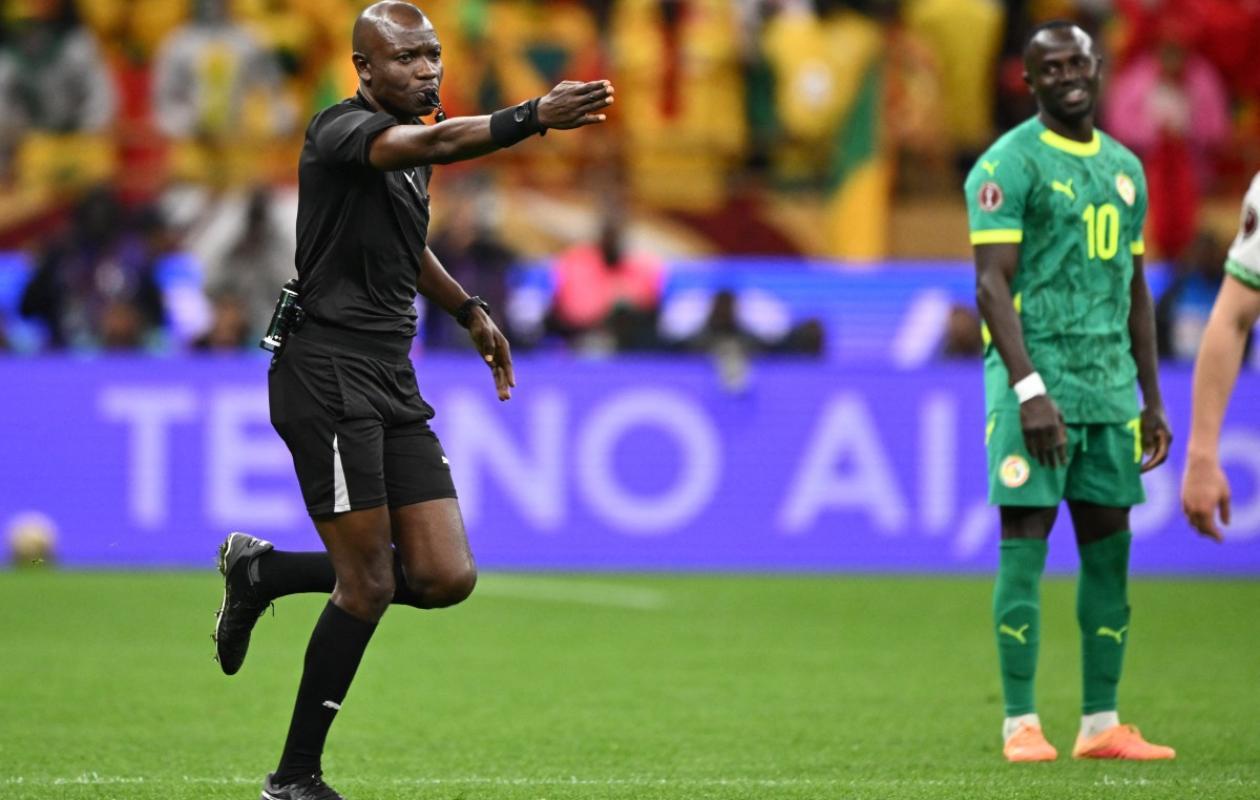
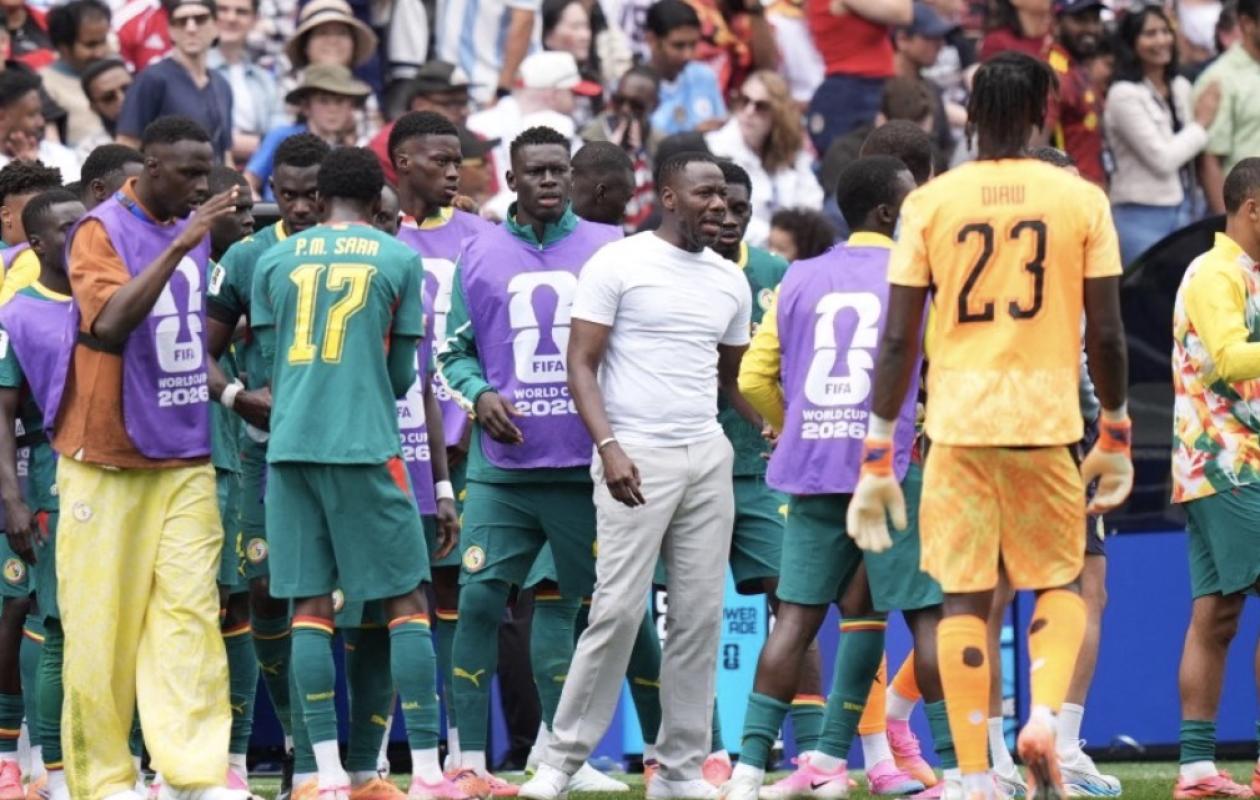
The African Football Confederation's (CAF) dramatic and unprecedented decision to invalidate Senegal's victory in the 2025 Africa Cup of Nations and award the title to Morocco has cast a spotlight on the Kingdom's growing clout within the sport's governing bodies, even as the ruling is grounded in solid legal arguments and precedents.
For several years, Morocco has become an indispensable player in continental sports, particularly football. As the future co-host of the 2030 World Cup with Spain and Portugal, it can rely on the political savvy of Fouzi Lekjaa, the head of the Moroccan Football Federation, who serves as CAF's first vice-president, has been a member of the FIFA Council since 2021, and is a close associate of FIFA President Gianni Infantino.
Beyond hosting numerous international competitions—including the last three editions of the Women's Africa Cup of Nations and the next five FIFA U-17 Women's World Cups—Morocco also serves as the home ground for matches involving several African nations like Burkina Faso, Mozambique, Guinea, Mali, Sudan, and Djibouti, often due to political instability or a lack of infrastructure in those countries.
In justifying its ruling, CAF cited Articles 82 and 84 of the AFCON regulations, which state that if a team leaves the field before the official end of a match, it will be considered defeated and permanently eliminated from the competition.
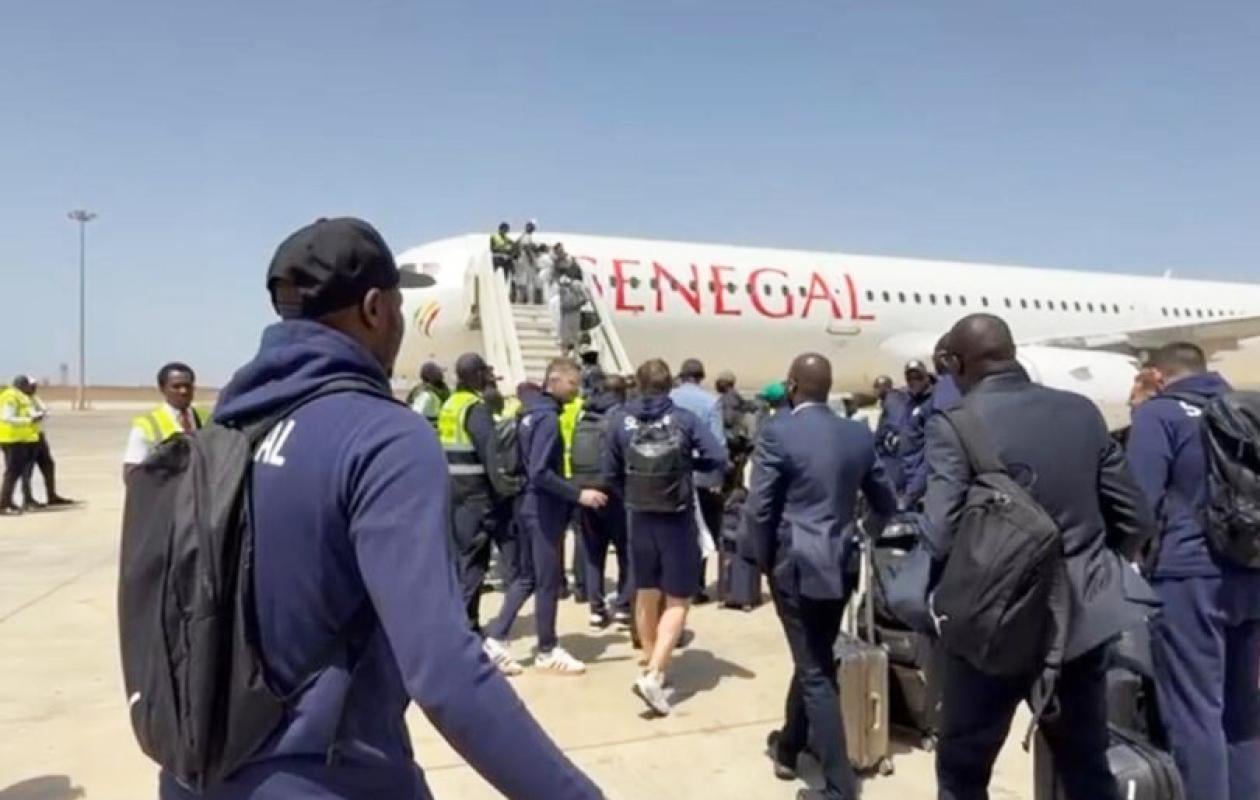
During the final on January 18th in Rabat, which was won by the Senegalese Lions of Teranga (1-0 after extra time), several Senegalese players temporarily left the pitch to protest a controversial penalty decision. The matter is now before the Court of Arbitration for Sport (CAS), which has been petitioned by the Senegalese Football Federation.
AFP















Commentaires (51)
Participer à la Discussion
Règles de la communauté
💡 Astuce : Utilisez des emojis depuis votre téléphone ou le module emoji ci-dessous. Cliquez sur GIF pour ajouter un GIF animé. Collez un lien X/Twitter, TikTok ou Instagram pour l'afficher automatiquement.
Se connecter
Commentez avec votre profil, votre photo, et soyez averti des réponses.