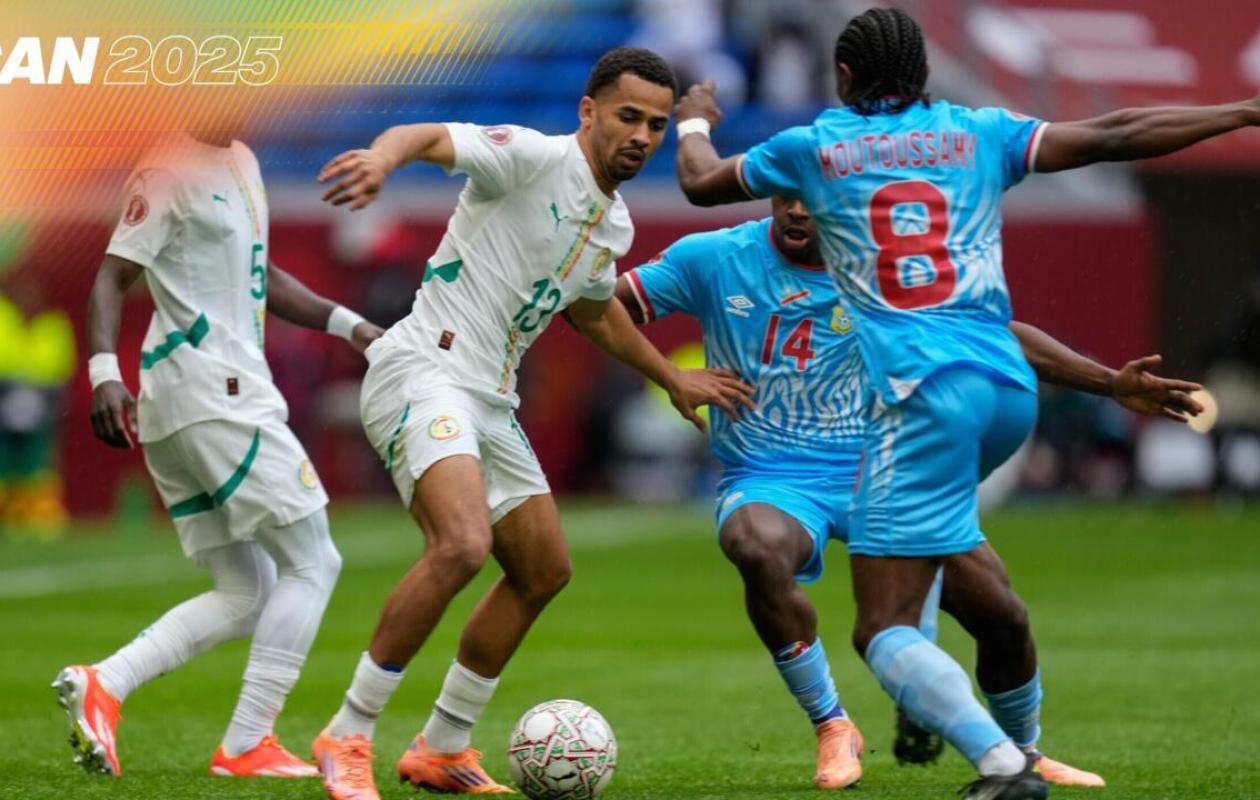
Analyse tactique: Sénégal-RD Congo (1-1), un duel de styles
In this tactically intense encounter, Senegal and DR Congo displayed two radically different approaches to the game. On one side, the Lions of Teranga came with the ambition to dictate the play. On the other, the Leopards adopted a more cautious approach, relying on defensive discipline and quick transitions.
Senegal lined up in a 4-2-3-1 formation, with Édouard Mendy in goal and a back four of Kalidou Koulibaly, Moussa Niakhaté, Krépin Diatta, and Jakobs. The double pivot of Gana Gueye and Pape Guèye provided the midfield balance, while Sadio Mané, Iliman Ndiaye, and Ismaïla Sarr orchestrated the attacking midfield behind Nicolas Jackson up front.
On the other side, Sébastien Desabre's DR Congo opted for a very compact 4-5-1 formation. This was a deliberate choice to close down the central areas, strengthen the midfield, and allow Senegal to dominate on the flanks in order to launch counter-attacks.
With 65% possession, Senegal largely dictated the tempo of the match. The Lions created numerous attacking sequences in the opposition's half, particularly down the flanks. Ndiaye and Mané were the main catalysts, alternating between dropping deep, short passing combinations, and runs into the half-spaces.
However, this territorial dominance was thwarted by a perfectly organized Congolese defense. Gaps were scarce, lines tightly packed, and Jackson often found himself isolated between the opposing center-backs.
Despite nine shots, three of which were on target, Senegal struggled to capitalize on their periods of dominance. Their shots sometimes lacked precision or were thwarted by a very alert Lionel Mpasi. The Congolese goalkeeper particularly distinguished himself against Jackson and Ismaïla Sarr, keeping his team afloat during crucial moments.
True to their game plan, DR Congo played with a low, mid-block, very compact around their penalty area. The objective was to limit space in the center and exploit any turnover to quickly launch attacks.
The forward runs of Masuaku, Elia, and Bakambu caused some problems, particularly with second balls. While their final pass sometimes lacked precision, these opportunities were enough to maintain pressure on the Senegalese midfield. This strategy paid off overall, with the opening goal rewarding this tactical discipline in the 61st minute.
Adjustments and key moments
For Senegal, Ibrahim Mbaye's introduction brought more dynamism and attacking impetus. This added spark allowed Sadio Mané to find the equalizer, finally symbolizing the Lions' dominance.
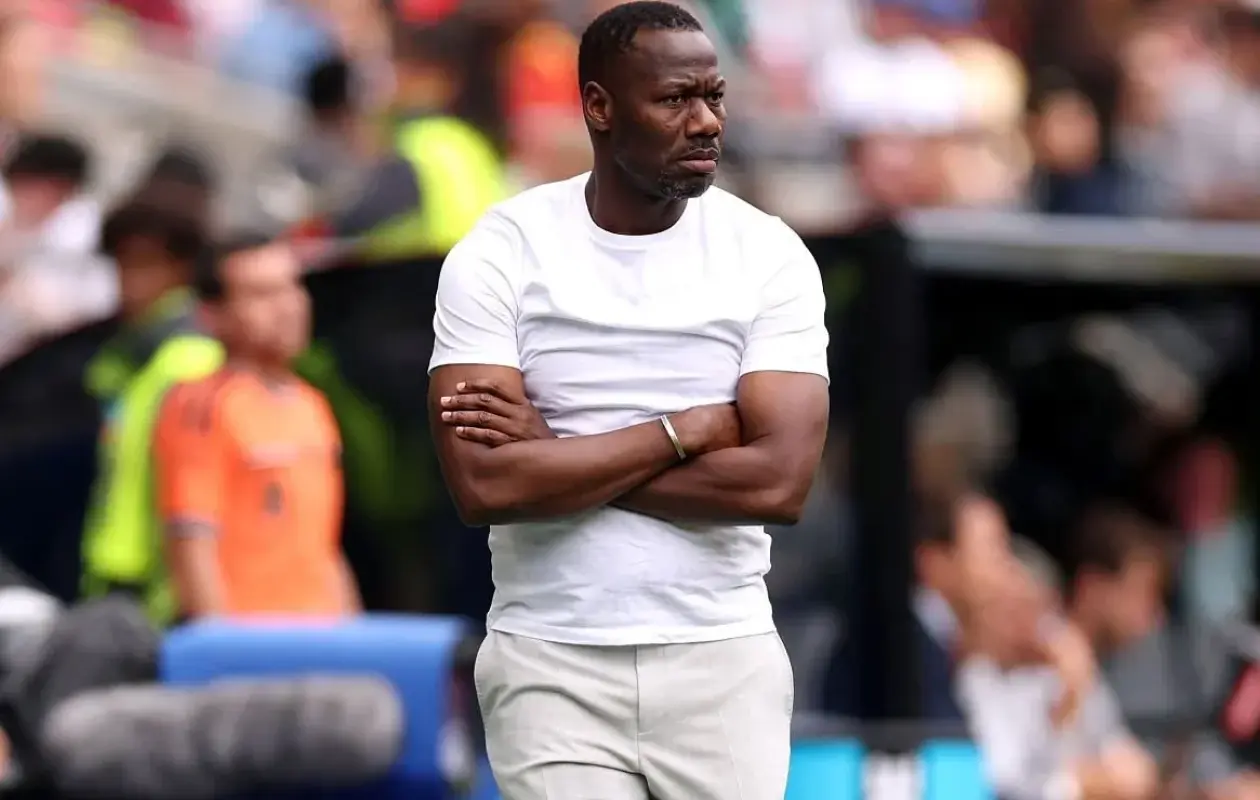
Pape Thiaw's tactical setup allowed Senegal to demonstrate clear collective control, but there was still too little creativity in crosses and long-range shots. Possession needs to translate better onto the scoreboard.
In this match, Senegal clearly dominated proceedings, without managing to completely dismantle a very well-organized Congolese defense. DR Congo executed a near-perfect tactical plan with a compact block, rapid transitions, and a decisive performance from Mpasi. It was a match where strategy long overshadowed efficiency, and where every tactical detail proved crucial in the final outcome.








Commentaires (16)
Deux: nous manquons d'audace dans la gestion de l'effectif. Cela ne sert à rien d'amener de bon joueurs à la CAN et de les laisser sur le banc.
Trois : les changements sont souvent tardifs. En cinq minutes un remplaçant ne peut pas faire grand chose.
Il faut changer toute lequipqui à fait le départ du match contre le Congo sauf sylvain ndiaye et sadio Mane.
Pour la defense:
Laye camara à droite.
Diouf à gauche.
Dans l'axe Mamadou sarr et seck.
Au milieu
Lamine camara ,Habib diarra et Sylvain ndiaye.
Attaque
Mbaye à droite
Sabaly gauche
Mane en pointe .
Je trouve que gana est trop lent pour le milieu et pape gueye se retourne trop et ne remonte trop vite.
Alors que le senegal avec un joueur comme Sylvain capable de faire la différence sur deux joueurs et créée aussi de l'espace.
Vous avez deux jeunes attaquants.ts pleins de vivacité et de te hnique au ballon en l'occurrence sabaly et Mbaye.
Je trouve pape thiaw trop complexe devant les anciens alors que les jeunes sont bien présents .
Il faut beaucoup travailler pour espérer remporter une coupe. Et arrêter d'être nonchalant.
Participer à la Discussion
Règles de la communauté
💡 Astuce : Utilisez des emojis depuis votre téléphone ou le module emoji ci-dessous. Cliquez sur GIF pour ajouter un GIF animé. Collez un lien X/Twitter, TikTok ou Instagram pour l'afficher automatiquement.
Se connecter
Commentez avec votre profil, votre photo, et soyez averti des réponses.