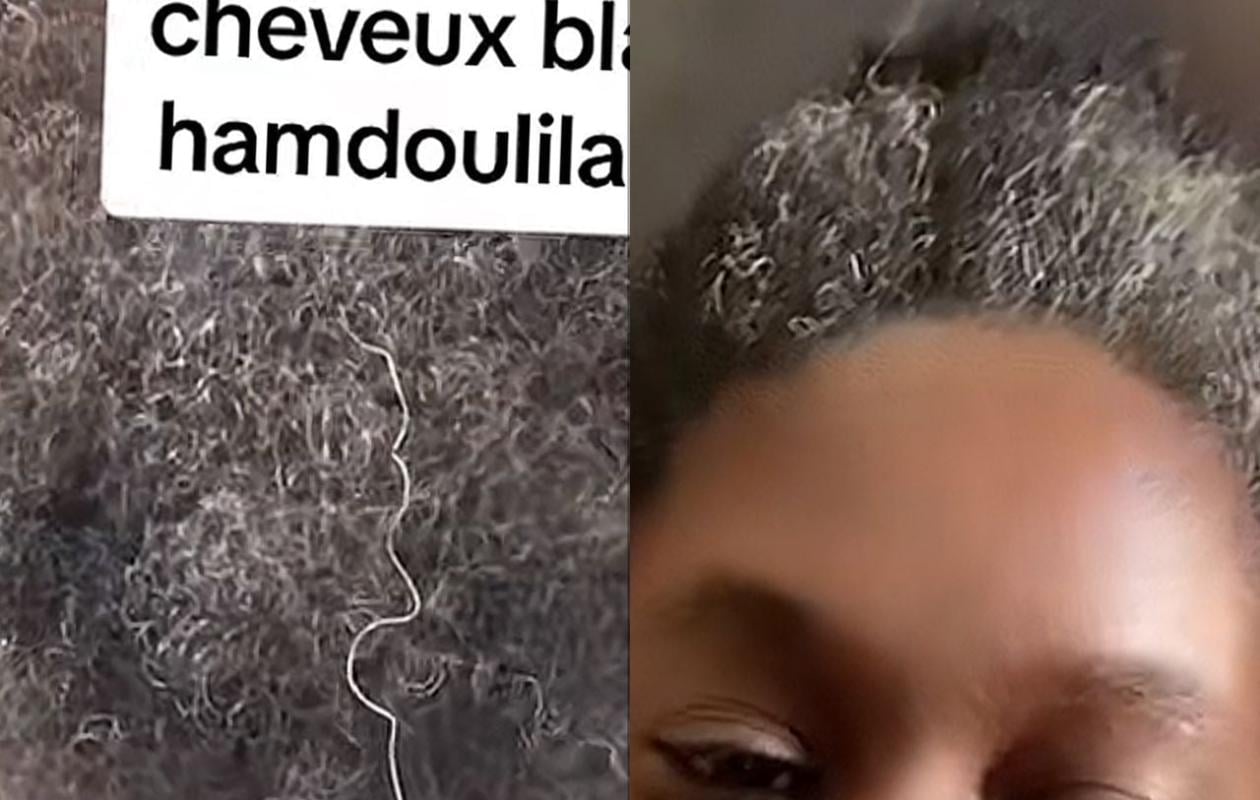
Beddiaw ou Cheveux blancs : Assumer sa sagesse ou céder au diktat de l'éternelle jeunesse ?
Growing old has always been a part of the human condition. Yet, in our societies today, aging seems to have become a sensitive, sometimes even taboo, subject. At the first sign of gray hair, many feel the need to hide it, as if the passage of time should be erased. This reaction often reveals a deeper fear: the fear of losing one's place, worth, or attractiveness.
The cult of eternal youth
Youth is highly idealized today. The media, advertising, and especially social networks promote flawless faces, youthful bodies, and appearances frozen in time. In this context, aging is often associated with decline, fatigue, or a loss of usefulness. This negative view leads some people to fight against the natural signs of aging, not only out of vanity but also out of fear of social judgment.
This pressure is amplified by a performance-driven society where everything moves quickly and immediate efficiency is valued. Youth is perceived as synonymous with energy, innovation, and adaptability, while age is sometimes, wrongly, associated with slowness or obsolescence. Hiding gray hair then becomes a way to stay "in the game," to continue conforming to often imposed standards.
A transformation rather than a loss
Yet, growing old is not a loss, but a transformation. Gray hair, wrinkles, and the marks of time tell a story: one of trials overcome, joys experienced, and lessons learned. They bear witness to an experience that cannot be bought or acquired overnight. In many cultures, age remains synonymous with respect, wisdom, and moral authority.
It must also be acknowledged that concealing signs of aging is not necessarily a form of self-rejection. For some, it's a personal, aesthetic, or cultural choice. The real question isn't the use of hair dye, but the reason behind this choice: is it for pleasure or out of fear of being judged, excluded, or devalued?
Premature graying: an increasingly common phenomenon
Today, more and more young people, sometimes as early as their twenties, are noticing the appearance of white or gray hair. This phenomenon can be explained by several factors. Chronic stress can accelerate cellular aging and affect the cells responsible for hair pigmentation. Genetics also plays a significant role: if parents or grandparents had white hair early, it is likely hereditary.
Nutritional deficiencies, particularly in vitamin B12, iron, zinc, or protein, can also contribute to premature graying. Other factors include lack of sleep, an unbalanced diet, pollution, and the use of harsh chemicals. In hair salons, the demand for gray hair coverage has increased considerably. Many clients want a more uniform color or one closer to their natural shade. For some, it's an aesthetic preference; for others, it's a way to feel more confident, especially in a professional setting.
From a scientific perspective, hair turns white when the cells responsible for melanin production slow down or cease their activity. This process, called canities, is natural. However, it can occur earlier due to environmental or nutritional factors.
Embrace it or dye it: a personal choice
Some people choose to fully embrace their gray hair, seeing it as a sign of maturity and authenticity. Religious figures, such as Oustaz Alioune Sall, have helped to promote the appreciation of gray hair. By accepting it with serenity, they send a powerful message: the signs of aging are neither a weakness nor a flaw. This attitude influences many people who feel freer to accept their natural hair, thus reducing expenses and exposure to chemical products.
Others prefer to continue dyeing their hair. In some professional circles, a youthful appearance is seen as a competitive advantage. For still others, it's simply a matter of taste for intense black or a particular style.
A religious and cultural perspective
The issue of hair dye also exists within Islamic tradition. Upon the Prophet's (peace be upon him) return to Mecca, Abu Quhafa, the father of Abu Bakr, was presented with completely white hair. According to accounts, the Prophet recommended changing his hair color, specifying that men should avoid black dye and instead use henna. This demonstrates that concerns about gray hair transcend eras and religious sensitivities.
Ultimately, there are no right or wrong choices. Embracing or dyeing is a personal decision influenced by social context and self-confidence. Perhaps it's time to transform our perspective on aging. Instead of systematically fighting it, we could learn to respect it as an asset. Growing old isn't disappearing; it's continuing to exist in a different way, with greater depth and wisdom.






















Commentaires (10)
Participer à la Discussion
Règles de la communauté :
💡 Astuce : Utilisez des emojis depuis votre téléphone ou le module emoji ci-dessous. Cliquez sur GIF pour ajouter un GIF animé. Collez un lien X/Twitter, TikTok ou Instagram pour l'afficher automatiquement.