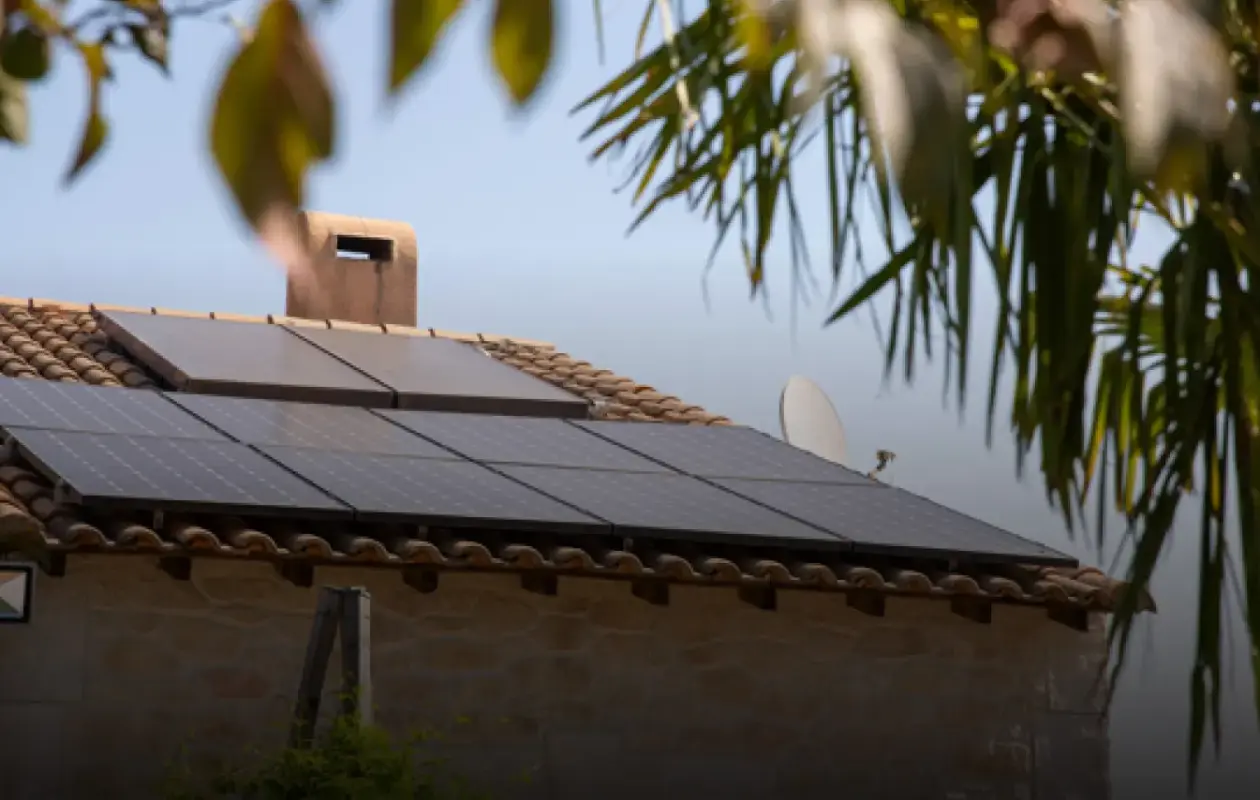
Financement du recyclage des équipements solaires en fin de vie : Le Sénégal veut s’inspirer du modèle français
Universal access to energy, a prerequisite for economic and social development, is among the top priorities for African countries. Senegal, committed to an ambitious energy transition, aims to increase the share of renewable energy to 40% of installed capacity by 2030 and to achieve a 26% rural off-grid electrification rate through mini-grids and stand-alone solar systems.
Rapid growth in the solar sector will inevitably lead, in the long term, to a significant increase in waste from end-of-life equipment. In a proactive approach, Senegal is already planning for the future recycling of this equipment by developing a roadmap for managing photovoltaic waste—potentially hazardous to health and the environment—which is expected to reach 22,000 tons by 2040.
In this regard, a strategic study conducted in 2024 highlights several challenges, including: the absence of a legal and regulatory framework, the inadequacy of collection and processing infrastructure, and the lack of sustainable financing mechanisms, among others.
ANER (the Belgian National Agency for Renewable Energies), in partnership with Enabel (the Belgian Agency for International Cooperation), is about to develop a local sector focused on the collection, recovery (second life), and recycling of solar panels and batteries. The idea is to transform photovoltaic waste from a burden into an opportunity.
Presiding over a consultation workshop on Tuesday aimed at developing Senegal's roadmap, the director of ANER, Dr. Diouma Kobor, reiterated the relevance of this government initiative. "There is a large-scale use of renewable energies, particularly solar photovoltaics. This massive use of solar equipment leads us to believe that in the coming years we will face a situation of significant amounts of waste or deposits resulting from this equipment," he stated.
“The lifespan of photovoltaic equipment is approximately 20 to 25 years, sometimes 30 years. And we believe that today is the right time to think about how to put in place structures, models, ways of doing things so that when the time comes, the management of this waste would not pose a major problem, particularly by involving the private sector,” emphasizes Dr. Kobor.
What about the funding?
Like France, where the collection and processing of used photovoltaic panels are managed by the eco-organization Soren, Senegal wants to adopt the French financing model. This model is based on the implementation of an "eco-tax" paid at the time of purchase of the equipment, which will finance its future dismantling.
ANER, its CEO emphasizes, "has begun working in collaboration with the Directorate for the Development of Renewable Energies on how to put in place rules and regulations in order to put taxes on the purchase so that we can plan for the dismantling of this equipment."
To carry out this ambitious project, the Ministry of Energy, Petroleum and Mines and the Enabel agency have expressed their firm commitment to supporting ANER and the solar sector.
Pierre-Henri Dimanche, climate project manager at Enabel, for his part, stated that "this approach aims to transform the management of end-of-life equipment" in order to make it a sustainable public policy.





















Commentaires (2)
Participer à la Discussion
Règles de la communauté :
💡 Astuce : Utilisez des emojis depuis votre téléphone ou le module emoji ci-dessous. Cliquez sur GIF pour ajouter un GIF animé. Collez un lien X/Twitter, TikTok ou Instagram pour l'afficher automatiquement.