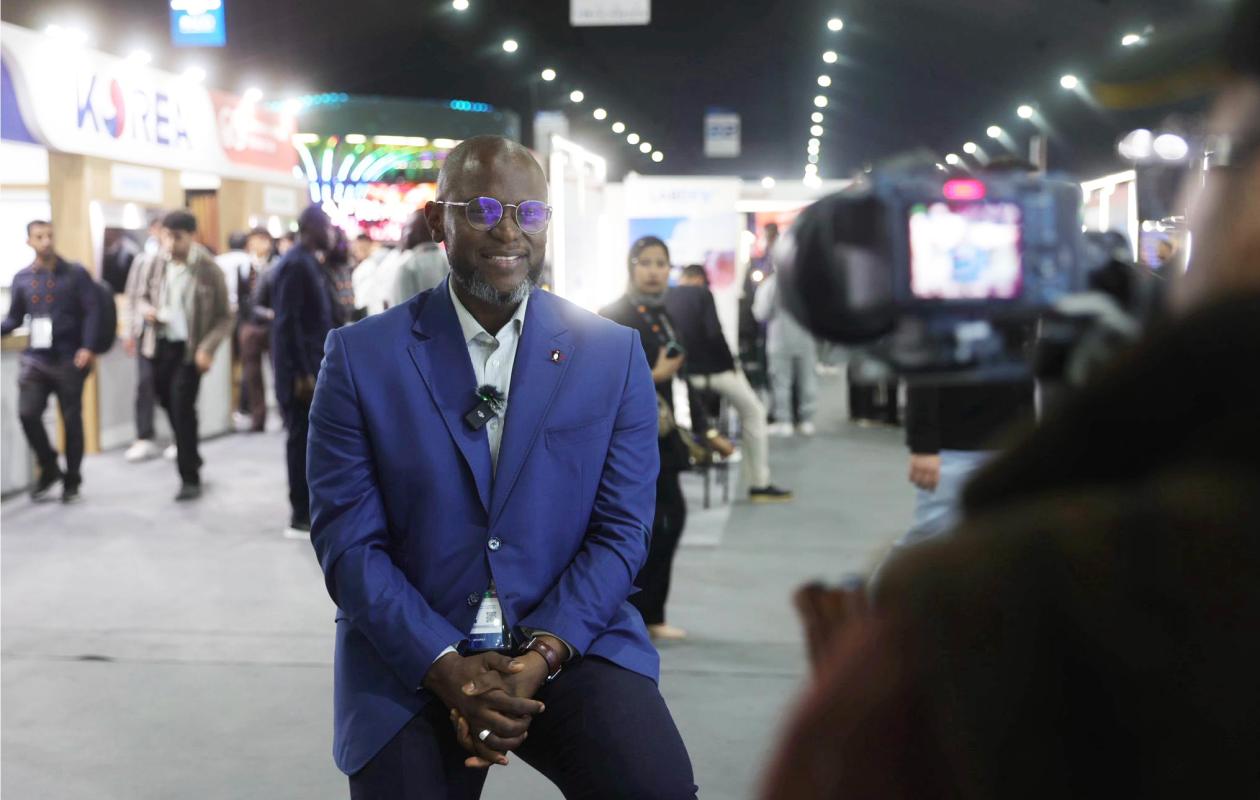
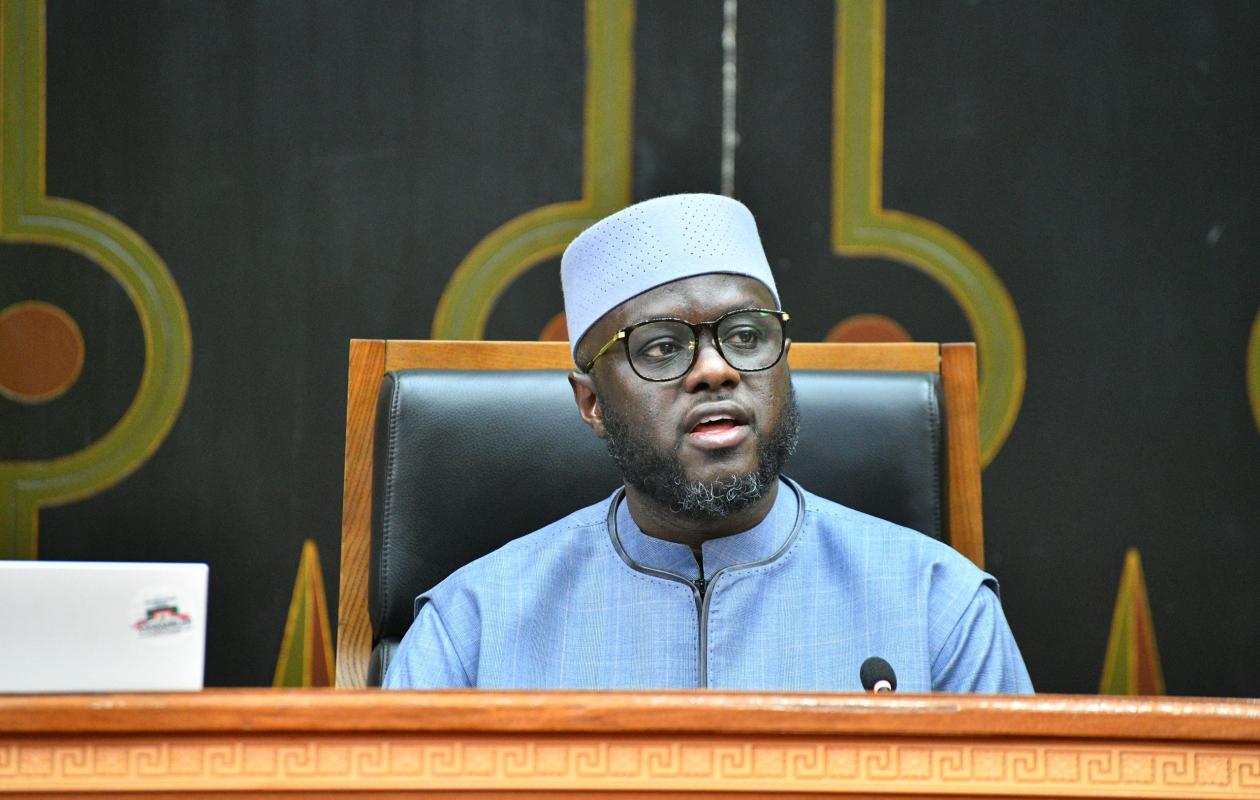
« Pour nous, l’innovation n’a de sens que si elle permet de résoudre les problèmes quotidiens de nos usagers », El Hadji Malick Gueye, DG de Wave Sénégal
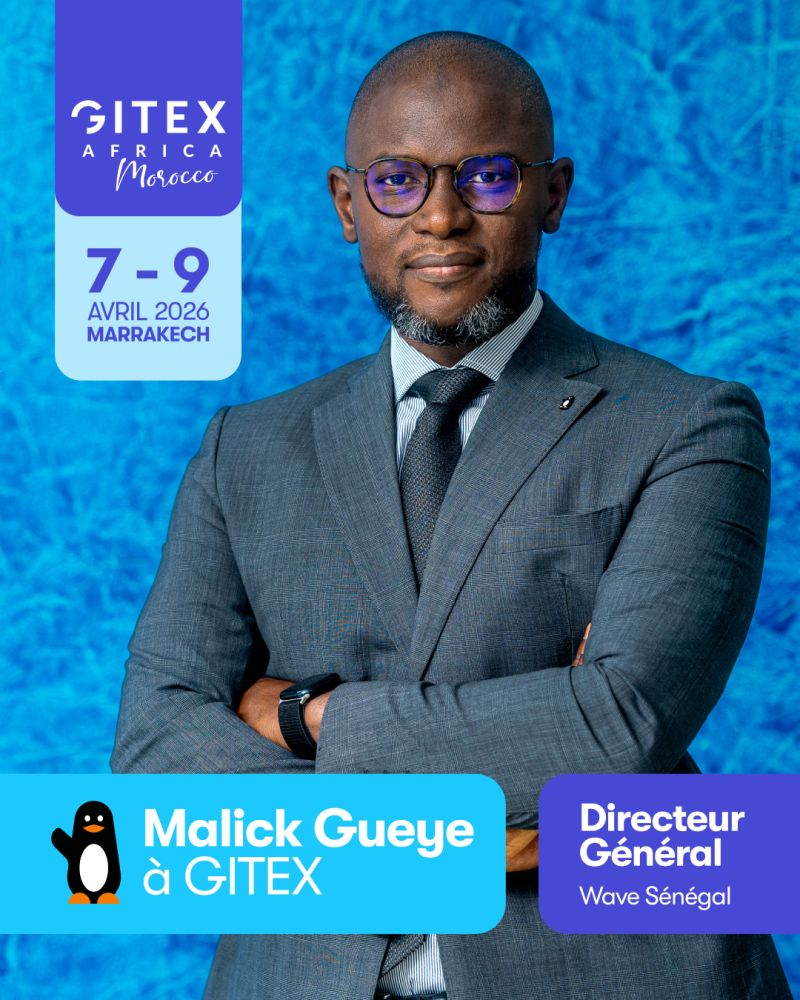
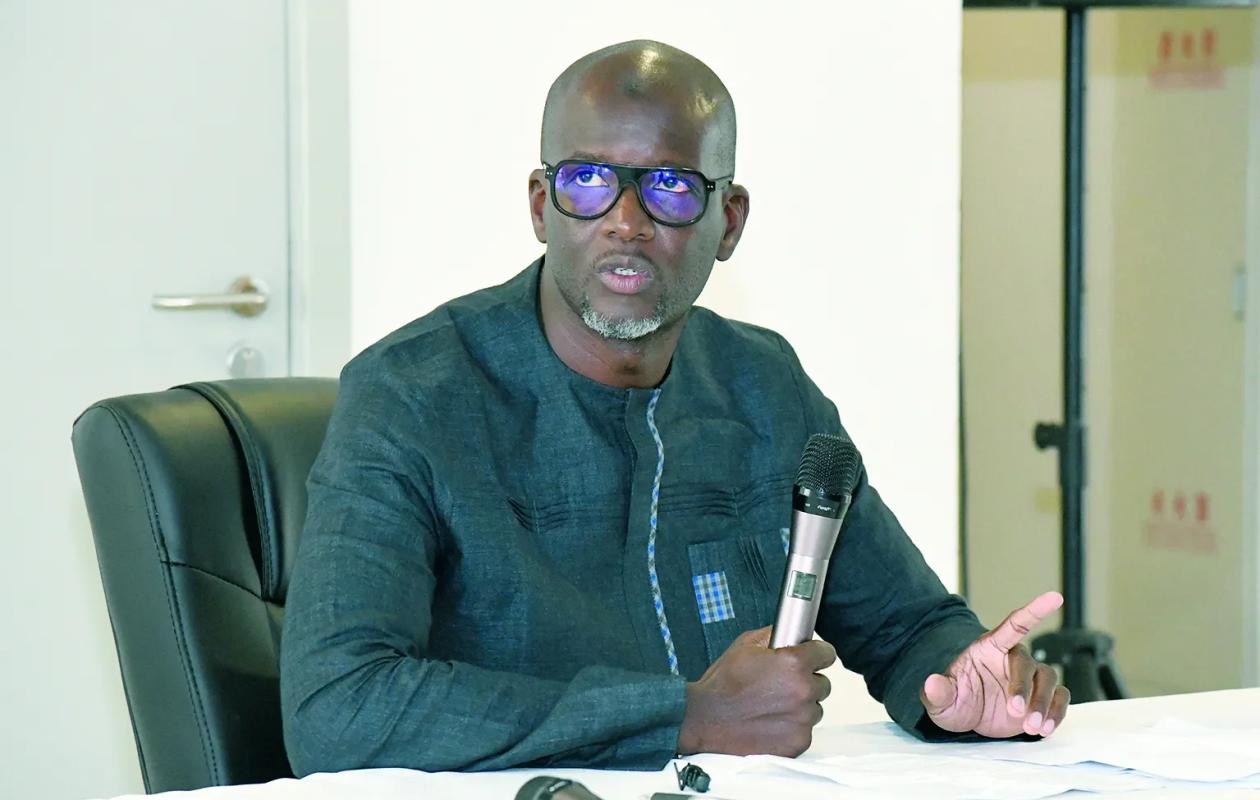
The popular mobile money app, Wave, made a significant appearance at the 4th edition of Gitex Africa Morocco in Marrakech. Led by El Hadji Malick Gueye, Managing Director of Wave Senegal, the company came to the ochre city to showcase its development in Senegal, and, more importantly, to give Senegalese startups the opportunity to participate in the event. In this exclusive interview with Seneweb, El Hadji Malick Gueye discusses the reasons for their presence at Gitex and reveals Wave's ambitious plans for Senegal.
Wave has become a regular at GITEX Africa Morocco. Why are you still present this year and what exactly are you looking to achieve?
We are very pleased to be back for this edition. This is indeed Wave's second time participating. I think there are two main reasons for this presence.
The first thing is to provide support, because we didn't come alone. We came with some Senegalese entrepreneurs and startups to show them what's happening beyond Senegal's borders and what they can borrow from the best practices in the world to offer cutting-edge services to the Senegalese population.
But for us, it's also important to come and showcase what we're doing in Senegal. I believe that together with the Senegalese people, our valued clients, we are building and writing a truly remarkable story. It's important to share this story now so that we can also exchange ideas with other stakeholders, see what's being done elsewhere in the world, and then combine that with our local expertise.
At Wave, we strongly believe in this local approach. This means global expertise, local expertise, and all the on-the-ground implementation that allows us to offer cutting-edge services. Hence our participation in GITEX today, with a very topical theme: generative artificial intelligence, which is one of the elements we rely on heavily to improve our security and regulatory compliance systems, among other things.
At the end of these three days, what is your assessment?
We are totally satisfied, firstly by all the enthusiasm that has been created around the Senegal pavilion, and not just at the Wave stand.
We had the honor and privilege of welcoming officials, even from other countries, who are genuinely interested in our products and their potential deployment in their own countries. We are therefore very proud of this event. We also participated in high-level panels. This was yet another opportunity to showcase the ingenuity, expertise, and innovation that we are currently experiencing in Senegal.
In some places at this event, on posters, the name Wave can be seen. Are you a partner of this event?
We are partners of GITEX and, for us, it was a strong desire to demonstrate that we can serve as an example to the Senegalese ecosystem.
Until now, there was a kind of glass ceiling, often maintained by startups or English-speaking ecosystems. At our level, we are able to forge partnerships at a very high level.
Today, we are indeed talking about GITEX, where we played an active role in organizing this edition. But beyond that, there are other partnerships that we are strengthening, notably with the Basketball Africa League, which is propelling our product and the "Made in Senegal" label to pan-African levels and even beyond.
Wave Senegal didn't come alone. Tell us about the companies that are supporting you at this event and why it's so important for you to do so?
For us, there are two main areas of focus. First, there's the capacity building aspect, because it's crucial to ensure that the startups we've supported are in the best possible position to accelerate their growth and offer cutting-edge services. Second, it's equally important for us to provide sound advice to these companies, which are currently facing situations we likely encountered ourselves in the recent past. Whether it's Kom Kom, Assuraf, or Expertise IS, these are four organizations for which the choice was extremely difficult, given the wide range of options available to us.
For us, the goal today is to support them, empower them, give them the opportunity to see things differently, and help them, as much as possible, in their growth trajectory. Overall, this is a much broader initiative for Wave. It aims to contribute, as much as possible, to the development of the startup and digital ecosystem in Senegal. It's our way of giving back to the ecosystem and contributing in the best way we can, based on the experience we've gained over the past few years.
What is your long-term ambition for Wave in Senegal and Africa?
We remain consistent and committed to our plan, which is to contribute to making the African continent largely cashless. This necessarily involves widespread adoption of digital products, which is why we continue to address our customers' needs on a daily basis. For us, innovation, even if some limit it to technology, only makes sense if it solves the everyday problems of our users. We have concrete examples, such as the BRT (Bus Rapid Transit), where it's possible to quickly purchase a ticket through the app. The same applies to the TER (Regional Express Train). Very recently, in January, we launched the Virtual Visa card. This aligns perfectly with the third generation of products we are currently developing, which focuses on offering more advanced financial services.
Our strategy remains the same. We started this year with the Visa card, which we actually announced last year at GITEX, and other products will be coming very soon. We prefer not to say more, but there are still some surprises in store for Senegalese users.
What is your view on the evolution of financial inclusion in Senegal?
The momentum is positive. Frankly, we're experiencing a dynamic that many countries envy today. If we take the case of Senegal and Wave, we have a population of approximately 18 million Senegalese. According to the latest ANSD statistics, 54% of the population is adult, which is about 11 million people. If we look at the number of active users we have each month, which is around 10 million, this demonstrates that approximately 90 to 95% of the adult population in Senegal now uses our tools daily. This is enormous and speaks volumes about the level of familiarity and adoption of digital products by Senegalese people. It's a trend that many countries envy and that we absolutely must maintain.
To achieve this, we must continue to adhere to the three-pronged approach I mentioned: the right product, the right price, and simplicity. But we must also be able to rely on legal and regulatory authorities to provide the necessary regulatory and fiscal framework and ecosystem to enable this growth. We are very pleased to see the momentum generated by the Ministry of Digital Economy through the New Deal for Technology. We have already seen some initial projects come to fruition. With projects like Digital ID, we believe we are capable of pushing innovation even further, to levels that are even more beneficial for the public.
What message would you like to send to African technology players?
I would say that these are primarily lessons learned from our experience at Wave, and I would summarize them in three points. The first is to always ensure that the proposed product has the right "product-market fit," meaning that the solutions offered are not simply imported and applied, but that they genuinely meet a user need. The second is to ensure simplicity. Simplicity doesn't mean a lack of sophistication, but rather ease of use and user experience, in order to ensure a high level of adoption. The third is to ensure, as much as possible, that the cost is affordable. This is extremely important if you want to scale up and quickly reach significant volumes.
In your opinion, what role should resilience play for an entrepreneur, particularly in the digital world?
Resilience, I think that's the key word, especially in our regions where we have to consider so many factors. You can pursue an entrepreneurial venture by developing innovative products, but you also have to take into account the ecosystem in which you operate. This ecosystem is legal, regulatory, fiscal, and economic.
It is therefore essential to be able to manage this environment.
It's good to have a solution and to innovate, but it's just as important to be able to interact effectively with your business environment.
Interview conducted by Moustapha TOUMBOU












Commentaires (6)
Participer à la Discussion
Règles de la communauté :
💡 Astuce : Utilisez des emojis depuis votre téléphone ou le module emoji ci-dessous. Cliquez sur GIF pour ajouter un GIF animé. Collez un lien X/Twitter, TikTok ou Instagram pour l'afficher automatiquement.