Safari : Ce projet titanesque qui promet de booster le tourisme de 21 %, mais qui attend le feu vert de l'État
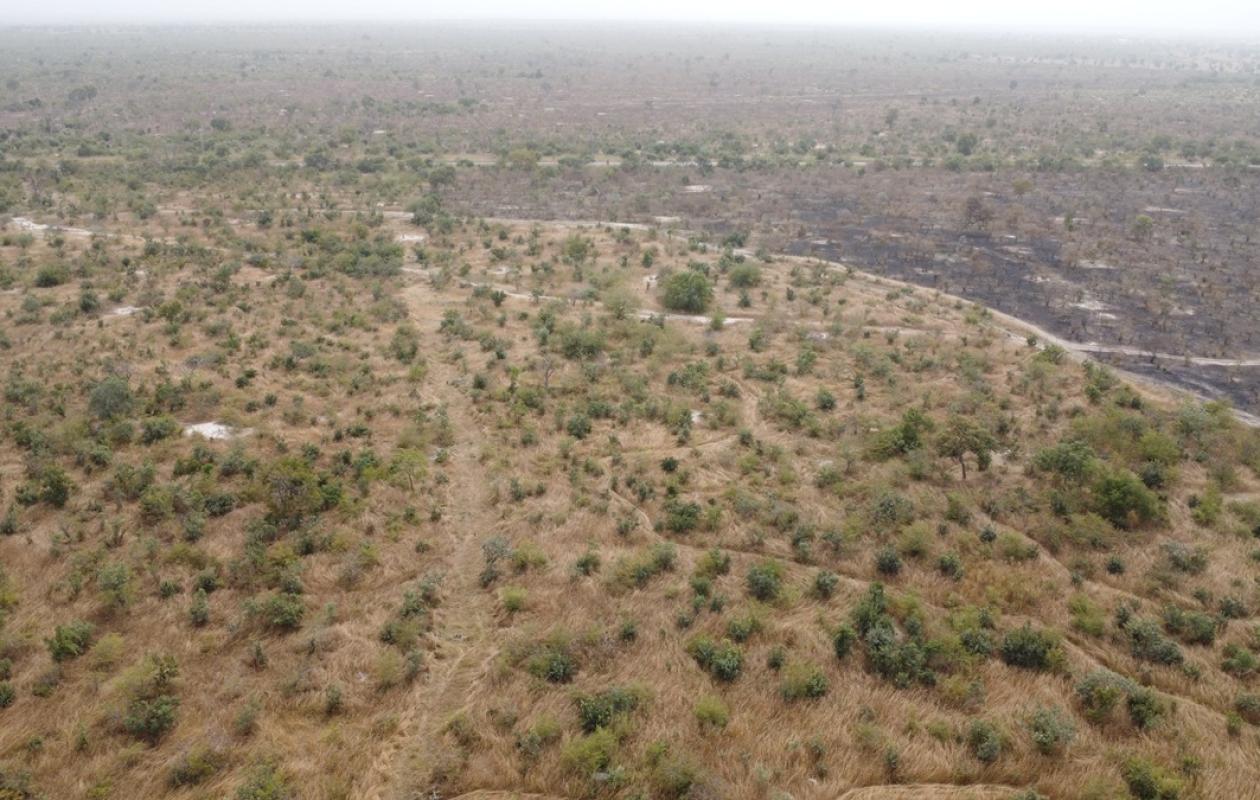
What if, like South Africa, Tanzania, and Kenya, Senegal were to position itself as a hub for tourist excursions, also known as safaris? The country already offers this type of service thanks to the Bandia Reserve and Niokolo-Koba National Park. But a new project with much greater ambitions could soon emerge in the center of the country, in Kaffrine, and "boost the tourism sector by 21%." The Grand Maka Yop Big 5 conservation project, with a budget of at least $120 million, is being led by the company "Lion Rouge," which has targeted an area of 35,000 hectares in this forest. The company aims to make this the largest private conservation and reforestation project in West Africa. Specifically, the initiative aims to restore biodiversity, create sustainable jobs, and revitalize ecotourism in the heart of Senegal. On the site, more than 50 species are expected to be introduced with a particular focus on the "Big 5" consisting of lions, buffalo, leopards, elephants and rhinoceroses.
A press conference was held this Tuesday, May 5th, by the organization to present the project, with a large part of the management team in attendance. During this press conference, Adrian Mill, CEO of Lion Rouge, cited three reasons why Senegal is the ideal destination for this project and the potential benefits: connectivity, including a 4- to 6-hour flight from European capitals and proximity to the United States; the protection of more than 50 endangered West African species; and the fact that all carbon financing will go directly to the community. The project also includes an agroforestry component with a 13,000-hectare buffer zone restored with existing plant species such as mango trees, moringa, and shea trees, in addition to the development of value chains.
To give a taste of the project, a pilot reforestation program of 10 hectares was carried out "in collaboration with local communities, including the Women Foresters group, who played a central role in planting and environmental awareness activities" and subsidized by the Australian government.
Among the many advantages is a significant scientific contribution. Project proponents believe Senegal has a golden opportunity to become a scientific hub in Africa. This ambition aligns with the "Vision Senegal 2050" plan championed by the current government. In November 2025, a letter of interest and commitment to the project was signed between Lion Rouge and the communities. The ball is now in the court of the Senegalese government, which must give its approval for the project to begin. For the first phase, an area of 17,000 hectares is expected to be mobilized. Adrian Mill, CEO of Lion Rouge, stated that discussions were underway with the former Minister of the Environment, but the recent cabinet reshuffle, which brought Abdourahmane Diouf to the head of the institution, has somewhat disrupted the process. However, project proponents remain confident that the situation will be resolved in the future for this project, which could revitalize Senegalese tourism.

![[EXCLUSIF] Affaire PCD : Le cap des 100 arrestations franchi, le téléphone d'Ass Dione accable le fils d'un grand marabout](https://image.seneweb.com/content/news/2026-20-13//thumb_1260x800_6a04a22c82a84_ACA7PLyDxC.jpg)








Commentaires (5)
Participer à la Discussion
Règles de la communauté :
💡 Astuce : Utilisez des emojis depuis votre téléphone ou le module emoji ci-dessous. Cliquez sur GIF pour ajouter un GIF animé. Collez un lien X/Twitter, TikTok ou Instagram pour l'afficher automatiquement.