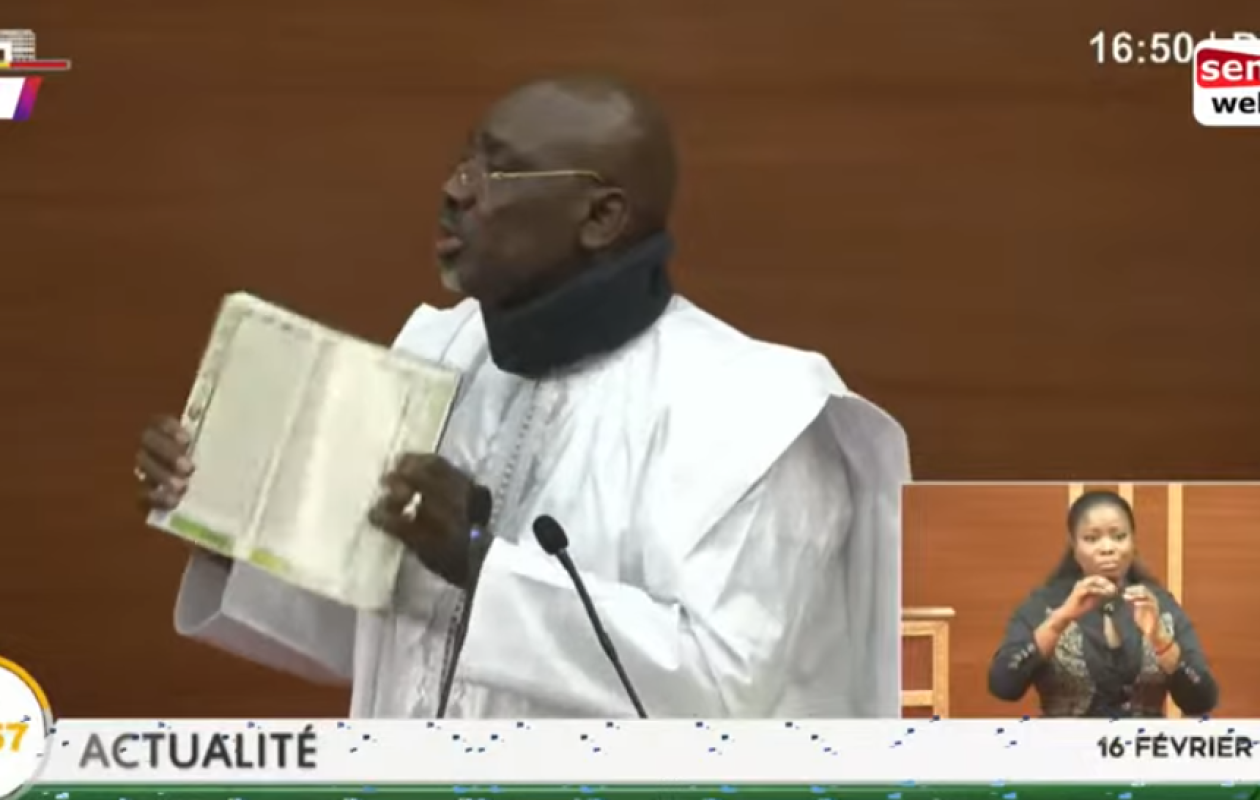
Affaire des téléphones en prison : Ce que Farba Ngom a dit devant la commission ad hoc
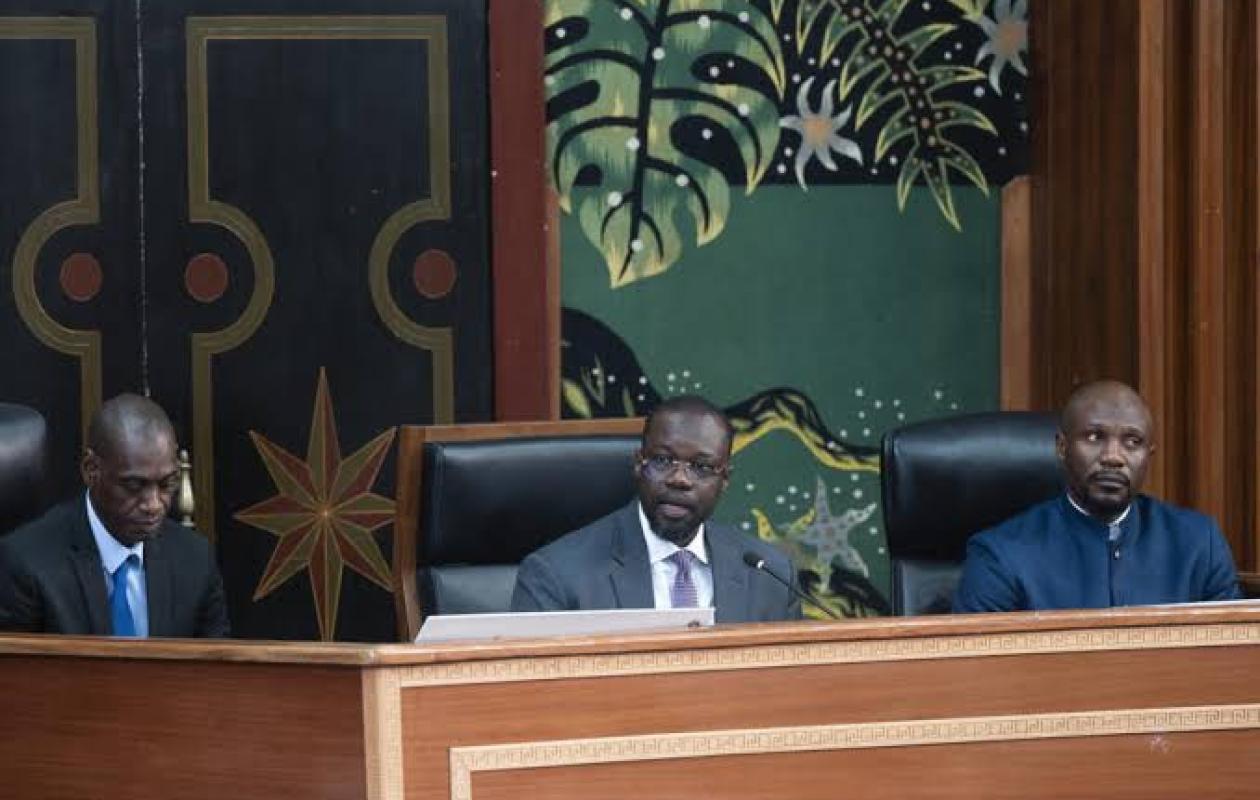
The examination of the request to lift the parliamentary immunity of MP Mouhamadou Ngom, known as Farba, resulted in a particularly intense hearing before the ad hoc committee of the National Assembly of Senegal. Between personal explanations, procedural challenges, and questions from the committee members, this session constituted a key moment in the assessment of the case. The proceedings were chaired by the committee's president, Mohamed Ayib Salim Daffé, who stated at the outset that the hearing of the MP in question constitutes a "regulatory requirement guaranteeing respect for the rights of the defense."
Already in detention at the time of the events, Mouhamadou Ngom was summoned through the Ministry of Justice and appeared accompanied by a parliamentary defender, MP Aïssata Tall.
Before the commissioners, Mouhamadou Ngom admitted to possessing a mobile phone while in detention. He explained the circumstances of this infraction, stating that he had smuggled the device in himself to "maintain contact with his family, particularly through international calls." He also claimed that a second phone had been given to him by a prison officer, thus raising questions about the control measures within the prison. In his statement, the member of parliament emphasized the "personal nature of the use of the devices," denying any intention of obstructing justice.
Much of the discussion focused on the procedural regularity. Mouhamadou Ngom asserted that certain investigations, particularly the examination of his phone, were conducted "without his lawyers present." His lawyer, Aïssata Tall, argued that the discovery of prohibited items falls primarily under "internal disciplinary procedures" and cannot automatically lead to criminal prosecution without an investigation into the responsibility of prison staff. She also raised the possibility of a "breach of confidentiality of communications."
The committee members repeatedly questioned the MP about whether he was aware that cell phones are prohibited in prison. Several members sought to understand why a parliamentarian, presumed to be familiar with prison regulations, would have taken such a risk. The discussions also touched on the length of his pretrial detention and his state of health, which he deemed "incompatible with detention."
Parliamentary immunity at the heart of the debates
The hearing served as a reminder that parliamentary immunity is an "institutional guarantee, not a personal privilege." While some argued for its protection, others insisted on the principle of equality before the law, believing that the seriousness of the allegations required the justice system to be able to conduct its investigations.
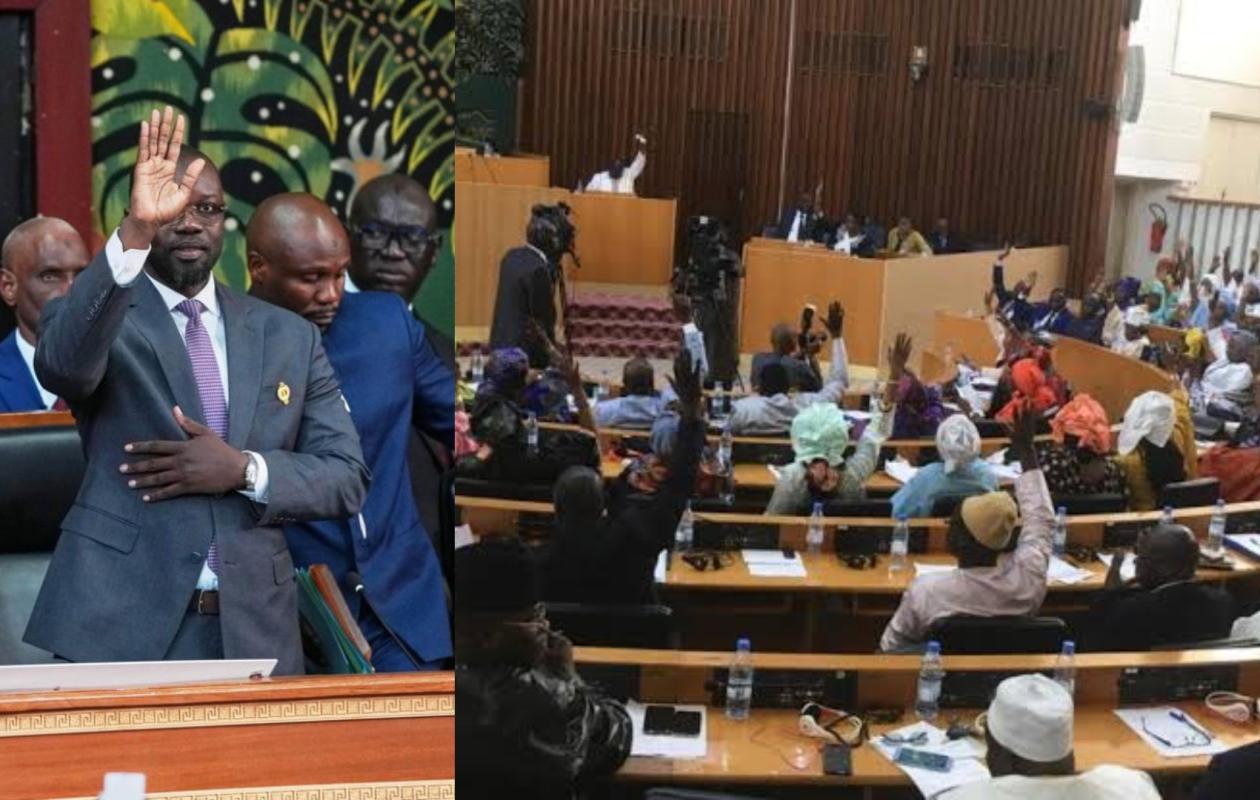
Following deliberations, the committee ultimately issued a majority recommendation in favor of lifting parliamentary immunity, deeming the evidence "sufficiently serious to justify continuing the proceedings." This pivotal moment reveals the tensions between judicial requirements and the protection of the individual rights of parliamentarians.
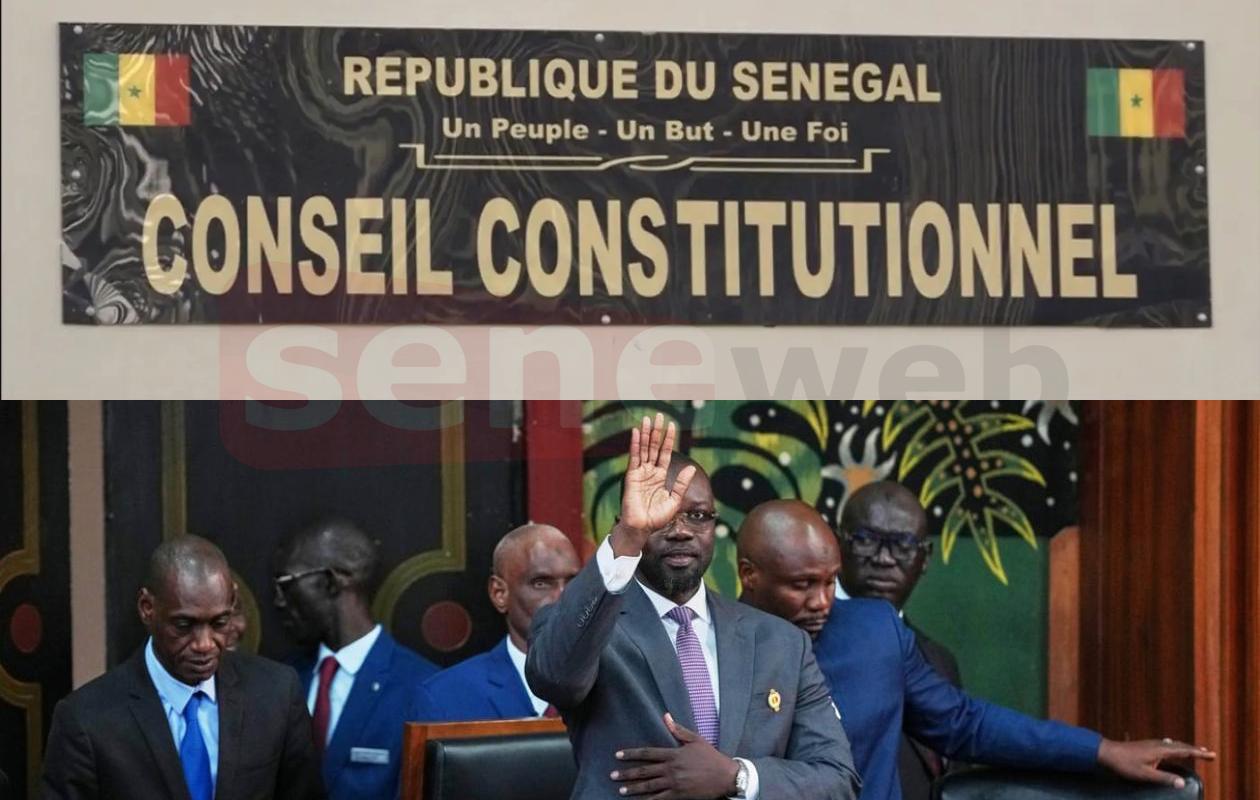
![[Exclusif] Révision de la Constitution : Le Conseil constitutionnel invalide le vote des députés](https://image.seneweb.com/content/news/2026-28-09//thumb_1260x800_6a4fdec36aa84_Tpa745ZYpD.jpg)













Commentaires (37)
Participer à la Discussion
Règles de la communauté
💡 Astuce : Utilisez des emojis depuis votre téléphone ou le module emoji ci-dessous. Cliquez sur GIF pour ajouter un GIF animé. Collez un lien X/Twitter, TikTok ou Instagram pour l'afficher automatiquement.
Se connecter
Commentez avec votre profil, votre photo, et soyez averti des réponses.