BCEAO : le prix du crédit baisse, une bouffée d'oxygène pour l'économie de l'UEMOA
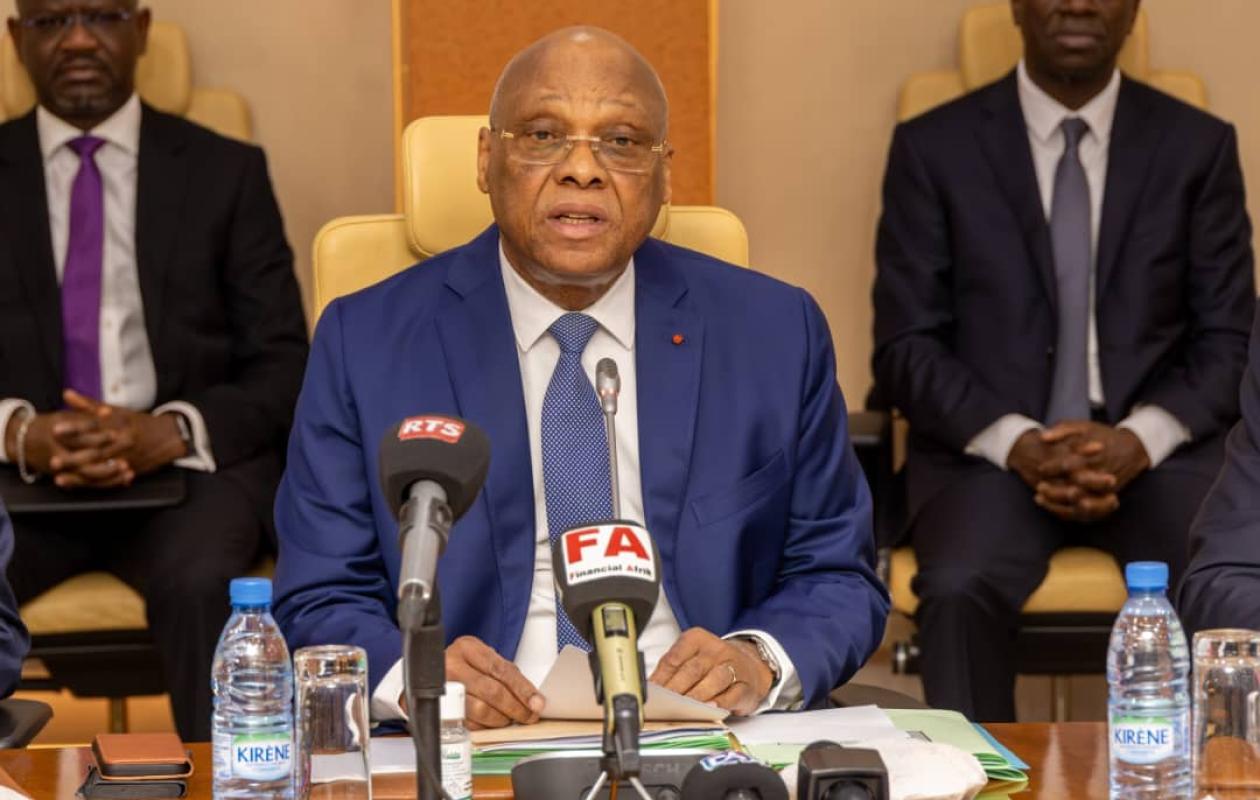
The signal sent to markets and economic actors is clear: the time has come for monetary easing. Meeting this Wednesday in Dakar, the Monetary Policy Committee (MPC) of the Central Bank of West African States (BCEAO) made a major decision by lowering its key interest rates by 25 basis points.
Effective March 16, 2026, "the main policy rate at which the Central Bank lends its resources to banks will decrease from 3.25% to 3.00%, and the interest rate on the marginal lending facility will decrease from 5.25% to 5.00%." This strategic decision, announced by Governor Jean-Claude Kassi Brou, unequivocally aims to "consolidate the easing of financing conditions for economic activity within the WAEMU."
To understand the importance of this measure, it's necessary to define the key interest rate as a central bank's primary tool for regulating the economy. It represents the price at which commercial banks, such as SGBS, Ecobank, or BOA, borrow money from the BCEAO (Central Bank of West African States). By lowering this rate, the Central Bank mechanically reduces the cost of funds for banks. Through a domino effect, these banks are then encouraged to lower the interest rates on loans they grant to businesses and households. The ultimate goal is to stimulate consumption and investment by making access to capital less expensive, thereby fostering a recovery dynamic.
Controlled inflation to support robust growth
The BCEAO was able to grant itself this breathing room because macroeconomic indicators are particularly encouraging. "Consumer prices continued their decline in the fourth quarter of 2025, with the inflation rate settling at -0.8%," notes the official statement. This decrease is mainly due to the ample availability of local food products and lower import costs. Although inflation is expected to "gradually rise to 1.4% in 2026," it remains largely under control after a year of zero inflation in 2025.
On the economic front, the region is showing robust health, with the EU's projected growth rate reaching 6.7% in 2025, following 6.2% in 2024. This performance was driven by agriculture, services, and the dynamism of the extractive industries. The outlook for 2026 remains broadly positive, with real GDP growth projected at 6.4%, supported by strong domestic demand.
Continued vigilance in the face of global uncertainties
Despite this optimism, Governor Jean-Claude Kassi Brou calls for caution. While foreign trade has improved thanks to exports of oil, gold, and cocoa, the balance remains fragile. The Committee warns that "the resurgence of geopolitical tensions and their potential effects could lead to higher inflation." Therefore, the Central Bank will continue to pay "particular attention to the risks affecting price developments" and states its readiness to take appropriate measures to guarantee the financial stability of the Union.





















Commentaires (1)
Participer à la Discussion
Règles de la communauté :
💡 Astuce : Utilisez des emojis depuis votre téléphone ou le module emoji ci-dessous. Cliquez sur GIF pour ajouter un GIF animé. Collez un lien X/Twitter, TikTok ou Instagram pour l'afficher automatiquement.