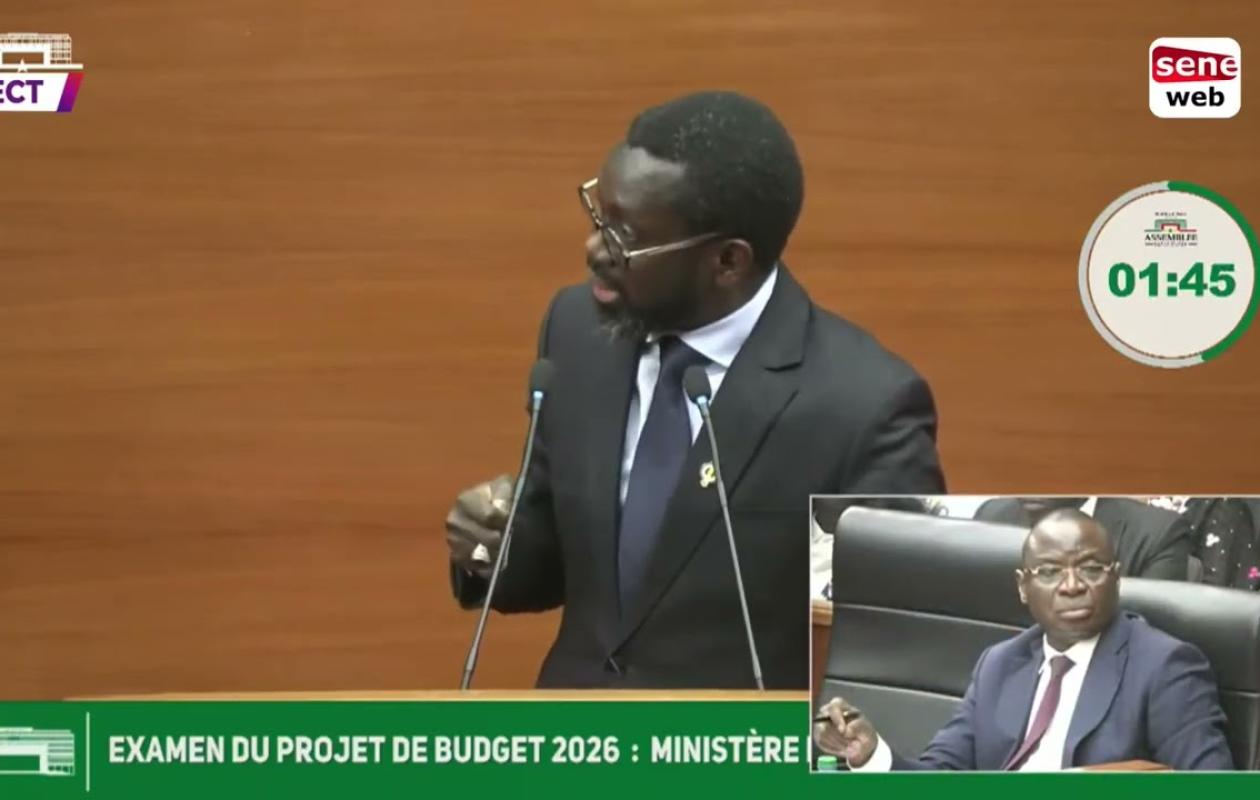
Cheikh Tidiane Youm : « L'industrialisation au Sénégal est le serpent qui se mord la queue »
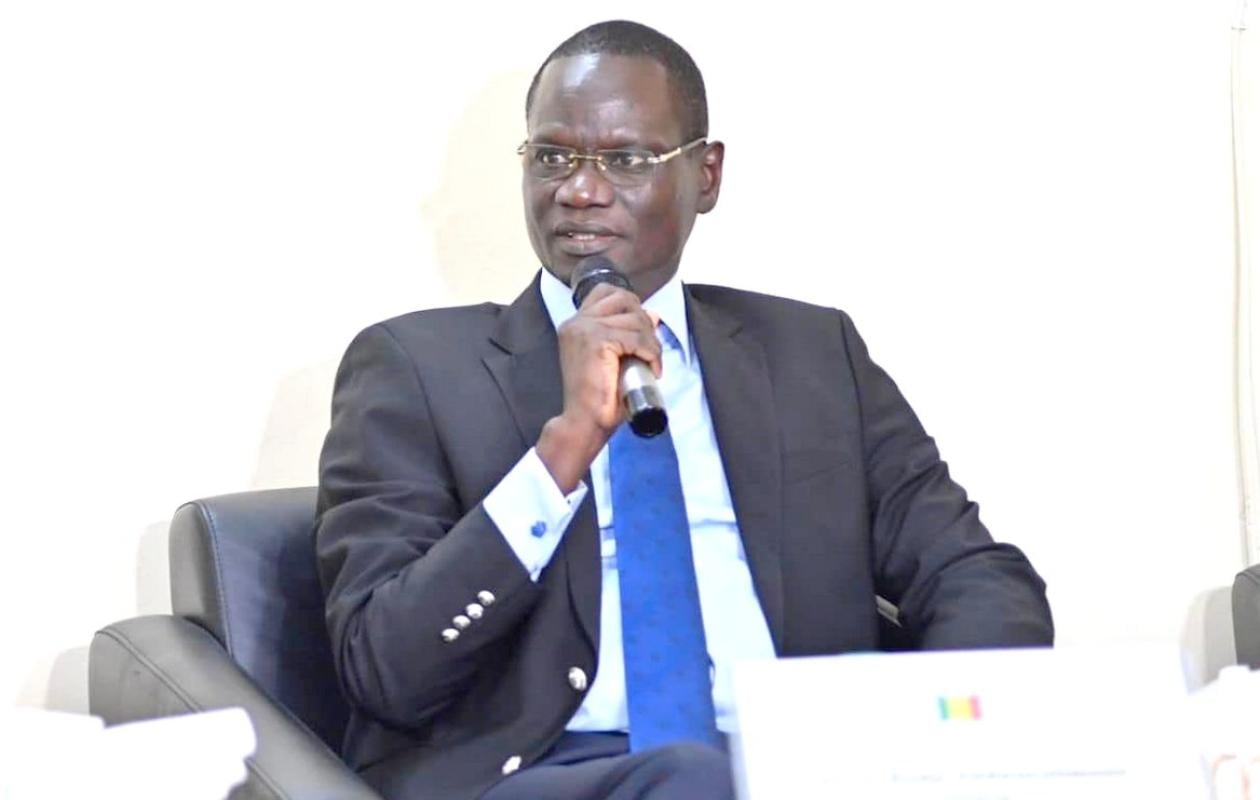
During a plenary session examining the draft budget for the Ministry of Industry and Trade, MP Cheikh Ahmed (referred to as Cheikh Tidiane Youm in the title) warned of the magnitude of the industrial challenge facing Senegal. First praising the Minister's track record, "who has proven himself at the local level," the parliamentarian believes the real test now begins "at the national level," in a sector he describes as strategic for the country's future. But, he says, "Senegal's industrialization is a historical failure." "Since independence, no regime has managed to sustainably develop this sector," he asserted. The MP recalled that immediately after independence, the industrial sector contributed 14% to GDP. Today, this contribution is between 22% and 25%, representing an increase of barely ten percentage points in over six decades. For him, these figures reflect "the scale of the task" awaiting the government.
An industry largely controlled by foreign interests
Sheikh Ahmed particularly highlighted the progressive denationalization of Senegal's industrial sector. He cited several emblematic examples: "The Chemical Industries of Senegal (ICS), 71% owned by foreign interests; the Dangote cement plant, owned by a Nigerian group; Sococim, a subsidiary of the French Vicat group; and the Senegalese Sugar Company, with predominantly French capital." "Once these investors make profits, they are repatriated to their countries of origin. A significant portion of the wealth created thus leaves Senegal," he lamented. This has meant that "despite growth sometimes reaching between 6 and 8%, the country does not have significant influence on the international economic stage and lacks large companies capable of competing globally."
Faced with this situation, the MP calls for a radical break and proposes several levers: revising the tax and customs framework, lowering the cost of electricity, facilitating access to financing for SMEs, promoting genuine economic patriotism, and implementing national preference mechanisms in strategic sectors. "It is imperative to support, encourage, and secure the captains of industry we have today, and to create new ones. It's not impossible," he believes. Cheikh Ahmed concludes his remarks with a strategic question addressed to the minister: how can incubators enable the emergence of true captains of industry, and not just small tech startups? For him, without a solid network of national industrialists capable of defending the sector, there will be neither an industrial lobby, nor a coherent policy, nor an environment conducive to development.



















Commentaires (4)
Remercie me je
Me remercie je
Je remercie me
Participer à la Discussion
Règles de la communauté :
💡 Astuce : Utilisez des emojis depuis votre téléphone ou le module emoji ci-dessous. Cliquez sur GIF pour ajouter un GIF animé. Collez un lien X/Twitter, TikTok ou Instagram pour l'afficher automatiquement.