Lutte contre le Sida : Le Ministère de la Famille renforce la riposte face à la vulnérabilité croissante des jeunes filles
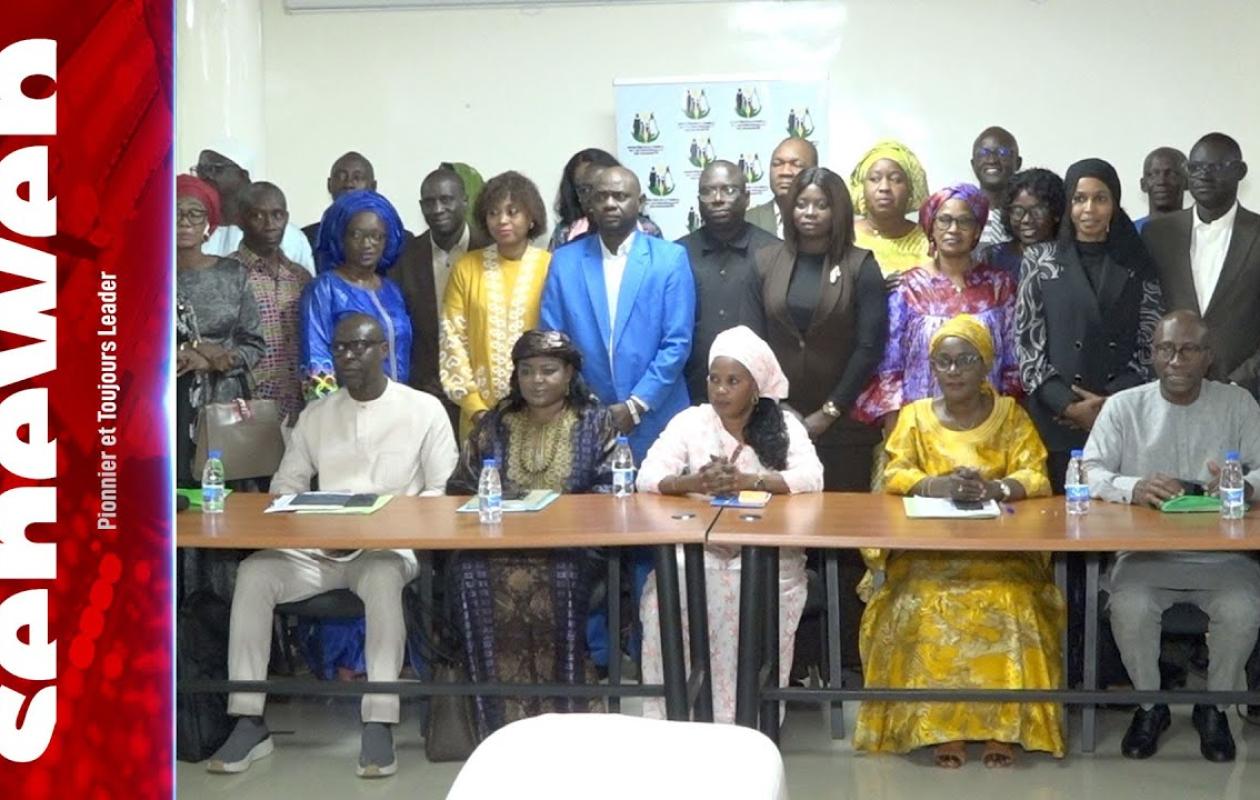
The Ministry of Family, Social Action and Solidarity has taken a major new step in the fight against HIV/AIDS and gender-based violence. Through its Sectoral Plan to Combat AIDS, it officially launched a national training workshop on helping relationships and communication techniques for Regional Directors of Community Development, Social Action and Family on Tuesday, January 13th.
Organised from 13 to 15 January 2026 in the conference room of the National Council for the Fight against AIDS (CNLS), at Fann Hospital, this capacity building session is part of a strategic dynamic aimed at improving the management of STIs/HIV/AIDS and gender-based violence in a context marked by the worrying feminisation of the epidemic, particularly among adolescent girls and young women.
A strong political will, persistent challenges
Improving the health of adolescents and young people is a political priority for the State of Senegal, which has subscribed to several international commitments and put in place legislative and strategic frameworks in the area of sexual and reproductive health.
However, despite these advances, access to information and sexual and reproductive health services remains unequal, especially for young people outside the school system.
Indeed, in Senegal, nearly 45% of adolescent girls and boys are not in school or have dropped out, a situation that increases their vulnerability to STIs, HIV and gender-based violence.
Gender-based violence and HIV: a vicious cycle
Gender-based violence, whether verbal, psychological, physical or sexual, affects all age groups, but exposes young girls more.
Their consequences are serious: sexually transmitted infections, HIV, school dropouts, psychological trauma, not to mention obstetric complications, suffering related to female genital mutilation and early marriages.
Added to this is sexual harassment, a silent but persistent violence that fuels fear, self-stigmatization and marginalization of victims.
Faced with this situation, the Ministry of Family deemed it essential to strengthen the capacities of local actors, the true local intermediaries.
The workshop brings together 31 regional directors and 10 community leaders, around clear objectives: to strengthen knowledge about STIs/HIV/AIDS;
. to deepen the understanding of gender and gender-based violence;
. improve communication and psychosocial support skills;
. to facilitate the identification and reporting of cases of violence;
. to define concrete strategies for reducing gender-based violence.
A multi-sectoral mobilization that was welcomed
In his address, the national director of community development, Elipole Biagui, stressed the importance of local communication to combat stigmatization, particularly in the context of Women and AIDS Week.
"The regional directors present in the 14 regions will play a key role in raising awareness and protecting vulnerable groups," he stated.
Soukey Ndiaye echoed this sentiment. The president of the National Network of Associations of People Living with HIV (RNP+) reiterated that young girls remain the most affected by HIV due to social, educational, and economic factors.
She advocated for enhanced communication, a relentless fight against stigma and discrimination, and increased investment in female leadership.
With the 2030 deadline for the elimination of HIV just a few years away, this workshop appears as a strong signal of the commitment of the Ministry of Family, in perfect alignment with national priorities and the expectations of technical and financial partners.
By focusing on human capital, communication and psychosocial support, Senegal reaffirms its commitment to leaving no girl and no woman behind in the fight against AIDS and gender-based violence.






![[EXCLUSIF] Actes contre nature : Un nouveau réseau démantelé, un célèbre journaliste de télé cité](https://image.seneweb.com/content/news/2026-09-27//thumb_1260x800_69a20e8d06dd4_2e752tuGgX.jpeg)










Commentaires (2)
des cours d4éducation sexuelle à l'école à 5 ans et 8 ans !!! réfléchissez un peu. Et c'est aux parents de leur expliquer ce qu'est cette maladie. merci
En Afrique beaucoup pensent que le sida est une maladie des femmes.
Participer à la Discussion
Règles de la communauté :
💡 Astuce : Utilisez des emojis depuis votre téléphone ou le module emoji ci-dessous. Cliquez sur GIF pour ajouter un GIF animé. Collez un lien X/Twitter, TikTok ou Instagram pour l'afficher automatiquement.