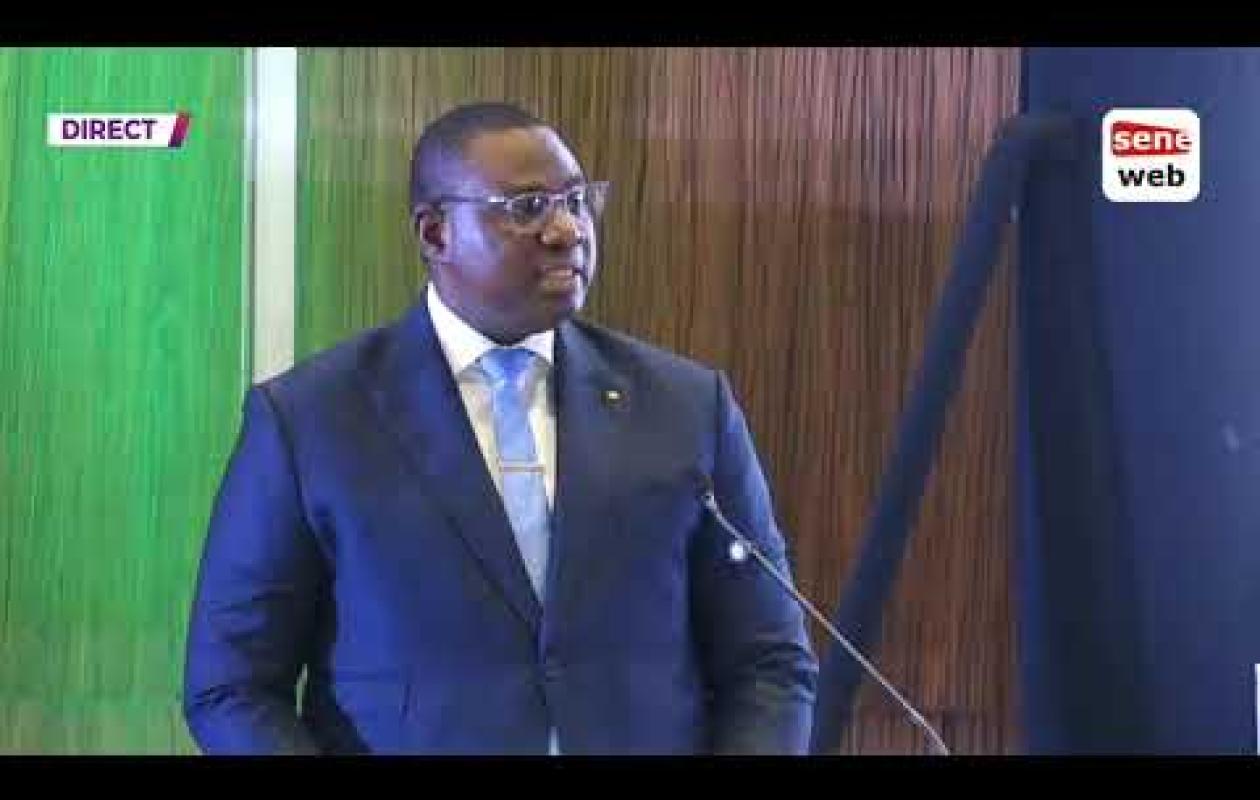
« Il doit être une rupture » : les mots forts de Moussa Balla Fofana sur l’acte 4 de la décentralisation
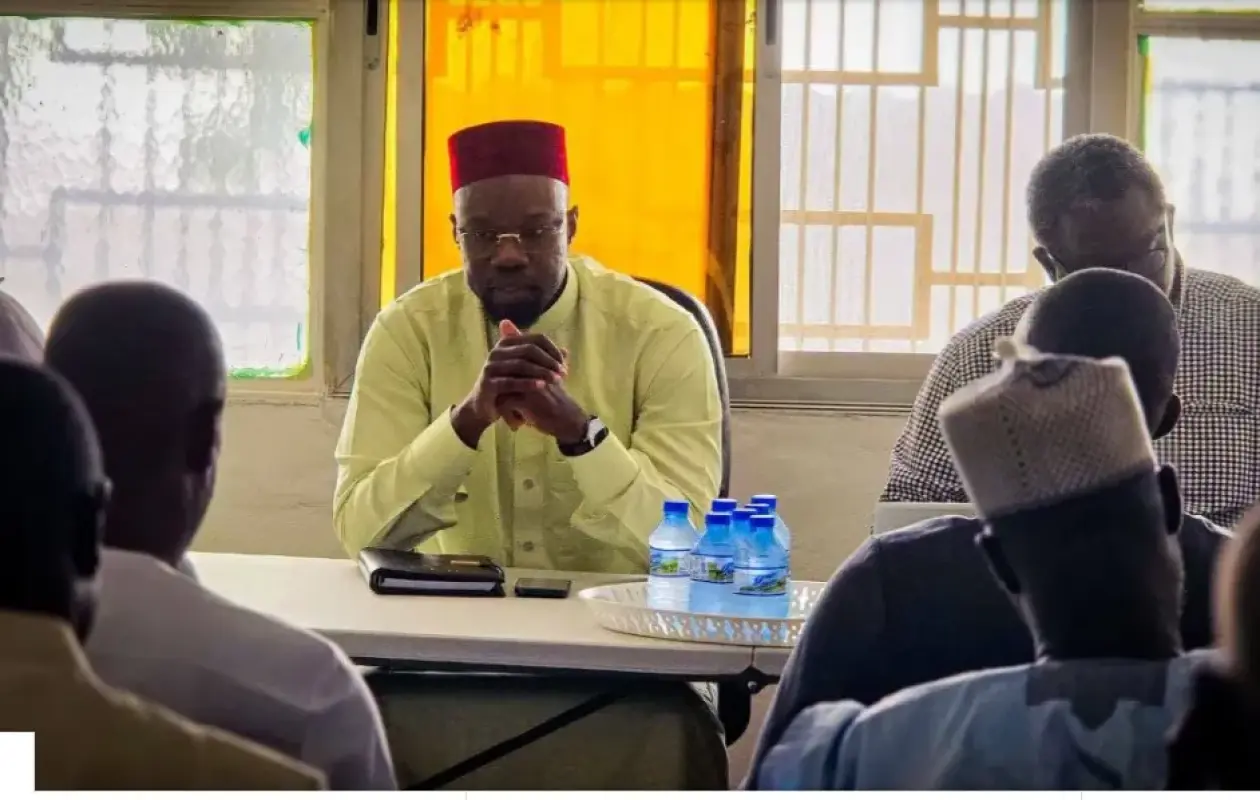
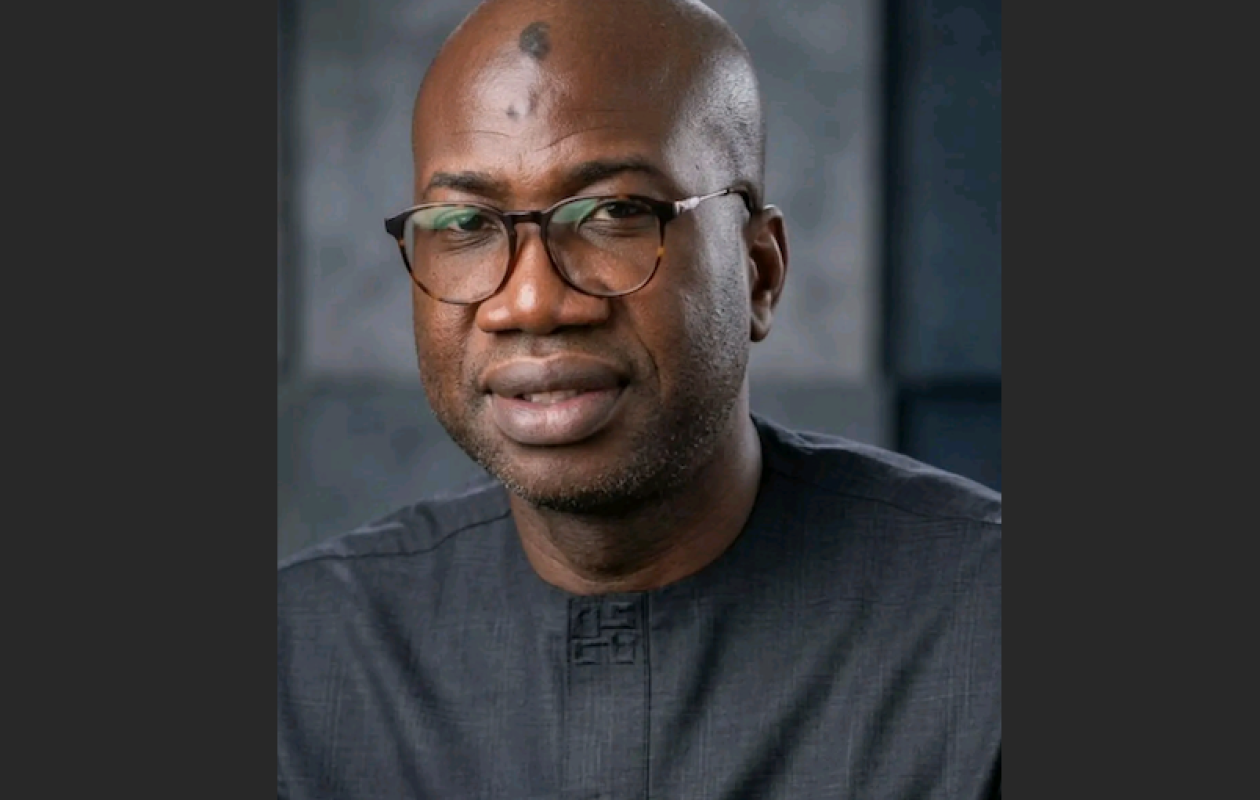
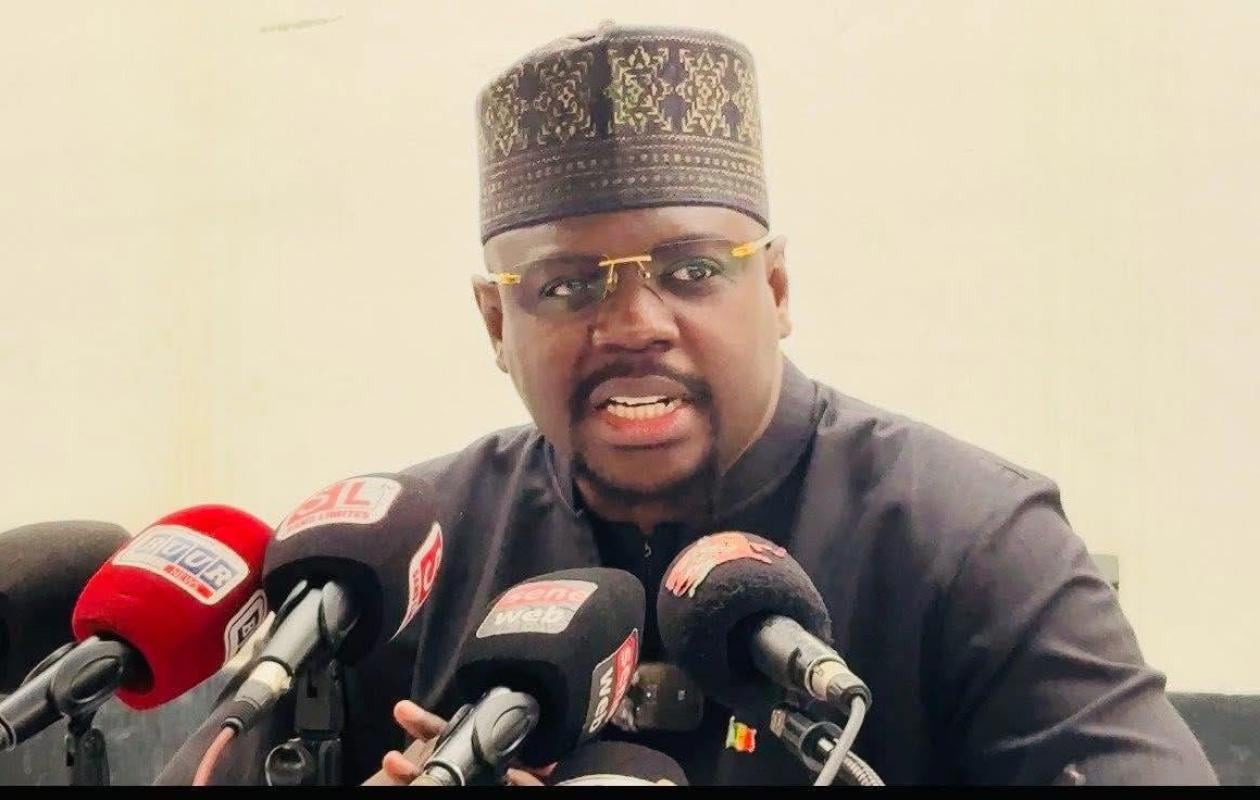
A workshop to present the provisional report of the territorial consultations on the reform of Act IV was held on Thursday, March 12, 2026, at the Abdou Diouf International Conference Center (CICAD) in Dakar. The meeting was chaired by the Minister of Urban Planning, Local Authorities, and Territorial Development, Moussa Bala Fofana, and brought together various stakeholders involved in decentralization and territorial development.
This meeting aims to share the results of the territorial consultations conducted nationwide. It also seeks to gather input from stakeholders in preparation for the reform of the fourth phase of decentralization. The workshop represents a transitional phase between the consultation phase and the phase dedicated to the regulatory development of the future framework. In opening the proceedings, the Minister placed the meeting within the country's institutional trajectory. He stated: "It is with immense pride and a profound sense of responsibility that I address you today at this workshop for feedback, sharing, and discussion on the evaluation of the third phase and the provisional report of the territorial consultations on the reform of the fourth phase of decentralization."
Moussa Bala Fofana clarified that this step goes beyond a simple technical meeting. “We are not gathered here for just another workshop. We are experiencing a significant moment together. A pivotal moment as we prepare to turn an important page in the history of our territorial administration and write a new one, bolder, fairer, and resolutely forward-looking,” he stated. The minister recalled that decentralization has been a pillar of Senegal's institutional organization since independence. He outlined the different phases of the process. Act I laid the foundations for local administration. Act II strengthened the powers of local authorities. Act III, launched in 2013, established the full municipalization of the territory and enshrined the department as a territorial authority.
According to him, this third phase strengthened the relationship between elected officials and the public. It also enabled the transfer of significant powers to local authorities. These developments contributed to the growth of local democracy and citizen participation. More than a decade after its implementation, the evaluation of this third phase highlights several limitations. Moussa Bala Fofana cites, in particular, the insufficient financial resources of local authorities. He also mentions the gap between transferred powers and available resources, as well as the weakness of territorial planning in some local authorities.
The minister illustrated these difficulties with several figures. He stated: “Today, the average financial autonomy of our 553 municipalities stands at only 46%. This means that, on average, municipalities depend on the state for more than half of their resources.” He added that more than half of the municipalities only mobilize 44% of their total revenue. This situation limits their operational and investment capacities. Disparities also exist between different regions.
The minister cited the example of the Dakar Plateau municipality, which enjoys 99% financial autonomy. Conversely, the municipality of Sare Bidji, in the Kolda region, has a rate of only 3%. He questioned, "How can we accept that a municipality can exist and develop with such minimal financial flexibility?" The issue of access to administrative services was also addressed. The average rate of access to civil registration is 77%. This situation leaves approximately 23% of the population facing administrative obstacles to registering births or obtaining identity documents.
For the minister, these observations call for a new phase in the decentralization process. The reform of Act IV is part of the national transformation dynamic driven by the National Transformation Agenda, Senegal 2050. This direction is being implemented under the leadership of President Bassirou Diomaye Diakhar Faye and in accordance with the directives of Prime Minister Ousmane Sonko. The future system aims to achieve several objectives. It must strengthen the effectiveness of public action. It also aims to promote more balanced territorial development. Local authorities must also have a strengthened role in local economic development.
In this context, the Ministry initiated a process of territorial consultations between October 2024 and January 2026. These consultations engaged 1,074 stakeholders in territorial development. The work required over 6,166 kilometers of travel across the country. Discussions focused on fifteen themes related to the reform. In Dakar, the discussions centered on the management of national lands within the context of the Senegal 2050 Agenda. In Mbour, stakeholders examined the implementation of the territorial hubs.
In Saint-Louis, discussions focused on local governance and municipal waste management. In Thiès, exchanges addressed the financing of territorial development and local taxation. In Matam, discussions centered on local content as a driver of economic development. Consultations were also held in Sédhiou, Tambacounda, and Podor. Other meetings took place in Kaolack and Kédougou. Several themes were examined, including the digitalization of local authorities, territorial planning tools, inter-municipal cooperation, and the status of elected local officials. According to the minister, these consultations allowed for the collection of input from stakeholders from various regions. They also helped to identify guidelines for the preparation of the fourth phase of the national development plan.
He outlined the objectives of the workshop held in Dakar. Participants are to review the draft report of the territorial consultations. The workshop will also facilitate the sharing of lessons learned from the evaluation of Act III and the collection of final observations from stakeholders. The discussions should lead to a roadmap for the development of the future General Code of Local Authorities. The minister summarized the importance of this phase of the process: "Today's workshop represents a crucial milestone in the reform process, marking the transition from the consultation phase to the normative development phase of Act IV."
Before officially opening the proceedings, Moussa Bala Fofana spoke about the expected scope of the reform. “Act IV cannot be a simple institutional reorganization. It must be a break. A break with territorial inequalities. A break with local powerlessness,” he declared. He concluded by calling for the mobilization of local stakeholders: “Let each of you here remember that the history of decentralization is written with words, but built with actions. So, let us act together, for fairer, stronger, and freer territories.”
![[EXCLUSIF] Actes contre nature : L'homme politique Ndiaga Seck arrêté par la DIC](https://image.seneweb.com/content/news/2026-20-15//thumb_1260x800_6a0726d812df9_nxDd5CNBzl.jpg)










Commentaires (11)
Participer à la Discussion
Règles de la communauté :
💡 Astuce : Utilisez des emojis depuis votre téléphone ou le module emoji ci-dessous. Cliquez sur GIF pour ajouter un GIF animé. Collez un lien X/Twitter, TikTok ou Instagram pour l'afficher automatiquement.