Éducation nationale : Le plan de Moustapha Guirassy pour éradiquer les abris provisoires
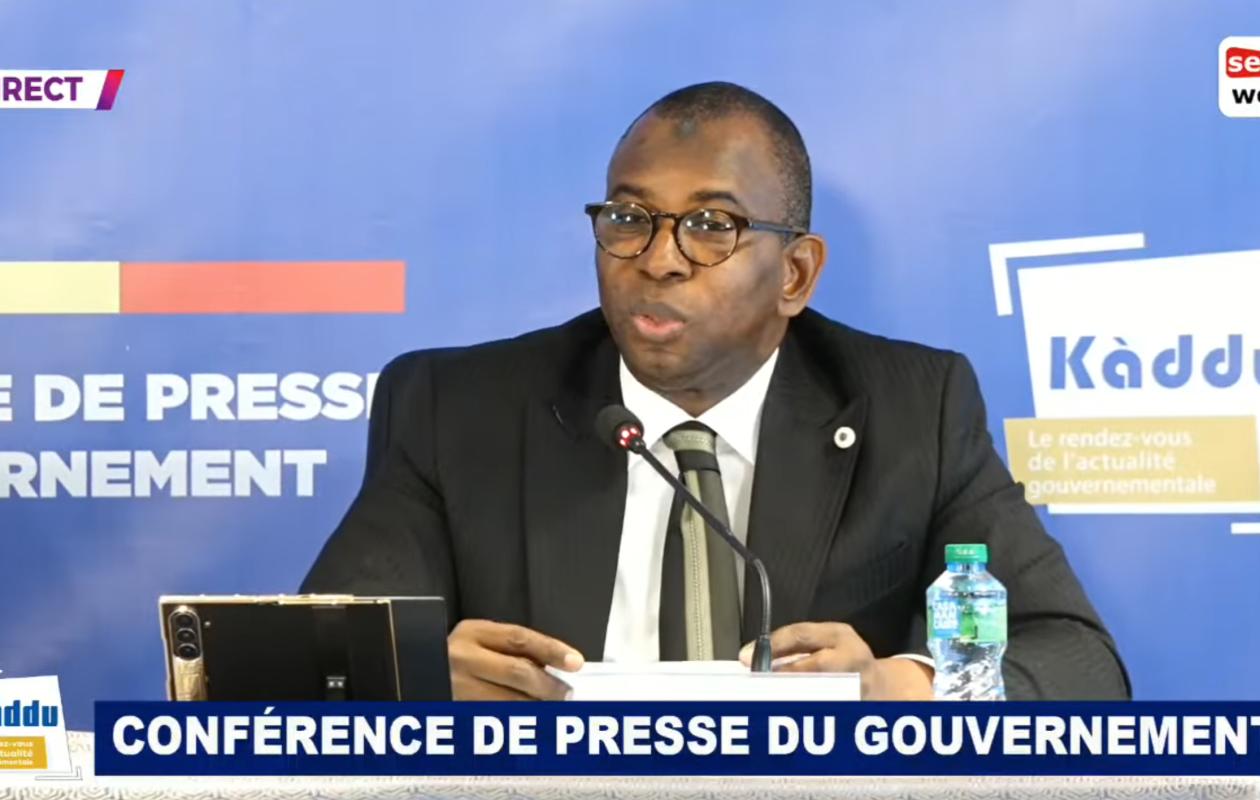
At the government press conference, the Minister of National Education, Moustapha Guirassy, praised the government's "sense of responsibility" in the face of tensions in the education sector. He immediately placed the current situation within a broader historical context, referring to "liabilities accumulated since 2018." According to him, the government has chosen to fully embrace this continuity by addressing the demands arising from negotiations with the unions. "The discussions resulted in a memorandum of understanding," he stated, while emphasizing that the government did not want to "sign yet another document without any real impact."
Correcting injustices and accelerating reforms
Among the progress highlighted, the minister emphasized the resolution of the "decision-makers' affair," which he described as a "great injustice" that has now been rectified. He also acknowledged administrative delays, while assuring that concrete solutions have been implemented, particularly for teachers who, according to him, "have themselves observed and appreciated the efforts made." The reforms undertaken affect several areas, including salaries, teacher training, working conditions, and school infrastructure.
5,000 classrooms to put an end to temporary shelters
On this last point, the minister announced an ambitious program: 5,000 classrooms are already funded, as part of a clear objective: to achieve "zero temporary shelter" by 2030. This orientation is part of a desire for structural transformation of the education system, beyond the simple management of emergencies.
Moustapha Guirassy also emphasized the centrality of social dialogue, which he described as a "fundamental matter." "The children of union members and those of the government are at the heart of the negotiations," he reminded everyone, highlighting the direct impact of crises on students. The minister called for a broader vision: making education the primary driver of Senegal's economic and social development. He specifically advocated for transforming agriculture through education and, more generally, for a development model centered on education. "We must preserve the sanctity of education," he insisted, calling for moving beyond current tensions to build a stable education system that serves the country's future.
















Commentaires (7)
Participer à la Discussion
Règles de la communauté :
💡 Astuce : Utilisez des emojis depuis votre téléphone ou le module emoji ci-dessous. Cliquez sur GIF pour ajouter un GIF animé. Collez un lien X/Twitter, TikTok ou Instagram pour l'afficher automatiquement.