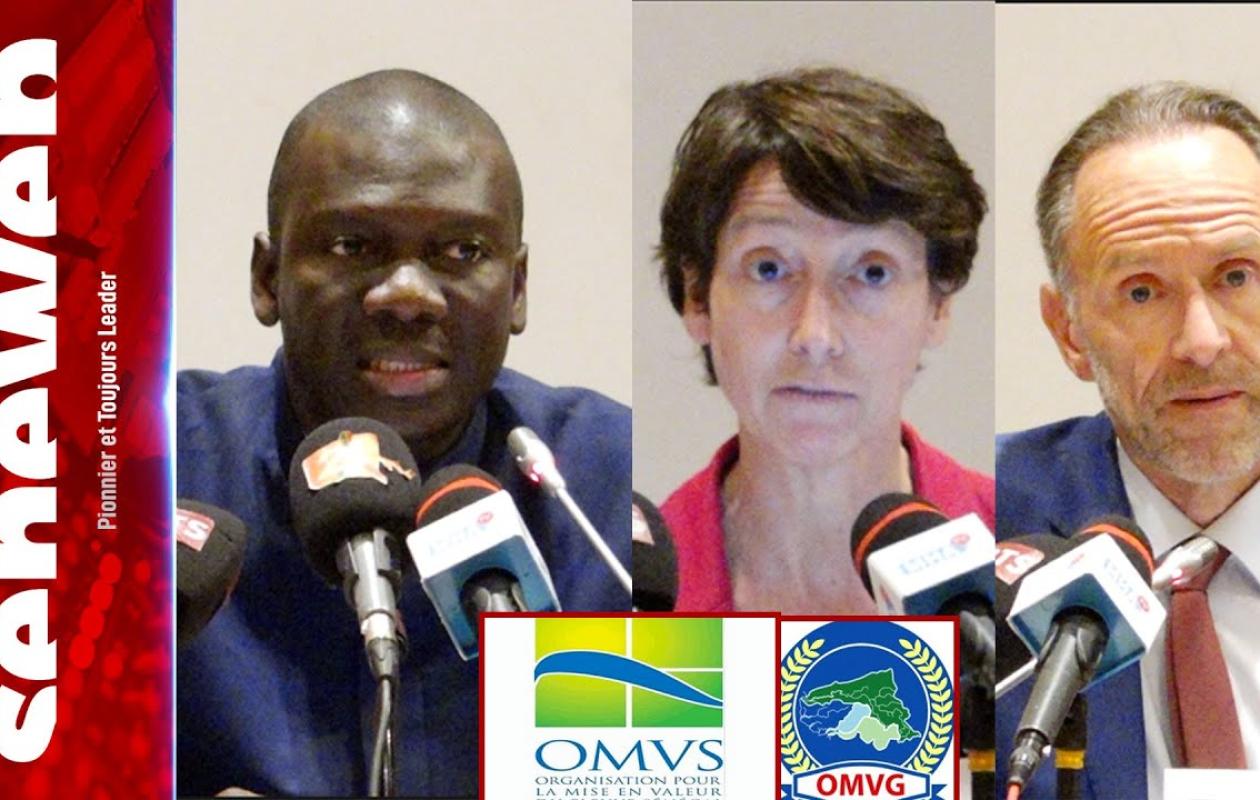
Bassin aquifère sénégalo-mauritanien : les États riverains consolident un mécanisme de gestion concertée
In Dakar, a process initiated several years ago between four West African states (following Mauritania's recent application for membership) is reaching a crucial stage concerning an invisible but strategic resource. On January 28 and 29, 2026, institutional stakeholders in the Senegal-Mauritania Aquifer Basin (BASM) will meet in the Senegalese capital to review and approve a draft regional agreement dedicated to the joint management of this transboundary aquifer shared by Senegal, Mauritania, The Gambia, and Guinea-Bissau.
This regional meeting is part of a long-standing political and technical dialogue initiated in 2019 and structured from 2020 onwards by the establishment of a Regional Working Group. This framework brings together the four States concerned, along with the Senegal River Basin Development Organization (OMVS) and the Gambia River Basin Development Organization (OMVG), with a mandate to promote transboundary cooperation and prepare a sustainable governance mechanism for the basin. The process benefits from the support of the Secretariat of the United Nations Convention on Water, as well as international partners, including the World Bank, the Geneva Water Hub, and the Sahara and Sahel Observatory.
The regional workshop in Dakar is therefore a direct continuation of the national consultations conducted in 2025 in each of the riparian countries. These meetings allowed for the collection of input from government departments, experts, and national stakeholders on a draft agreement developed during the second phase of the regional dialogue. The text, already presented to the ministers responsible for water and favorably received at the Tenth Meeting of the Parties to the Water Convention, is now undergoing in-depth review with a view to political validation.
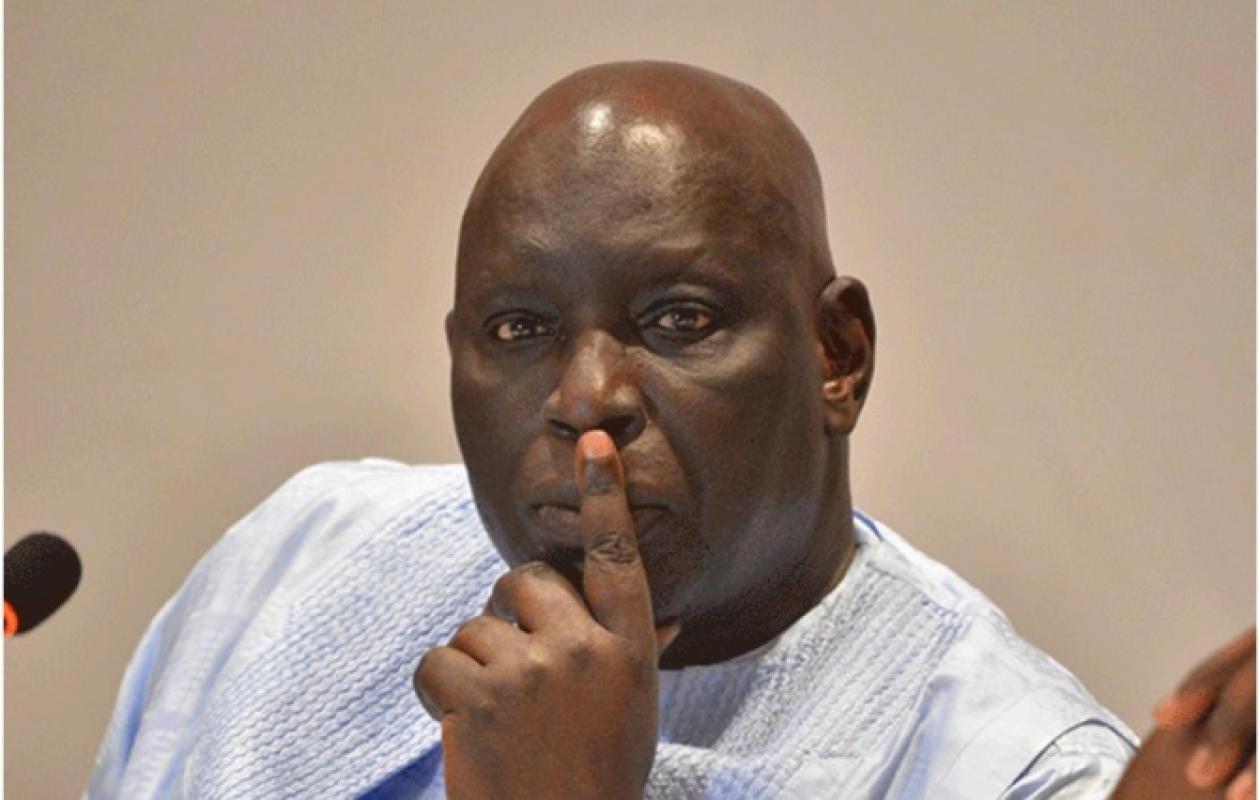
At the opening of the proceedings on Wednesday, January 28, Baboucar Mboundor Ngom, Secretary General of the Senegalese Ministry of Water and Sanitation, placed the challenges facing the basin within a broader context marked by significant pressure on water resources. He noted that "in a context characterized by global population growth, increasing urbanization, climate change, and evolving dietary habits, water demand is expected to increase considerably in the coming years." This dynamic, he argued, is altering the very nature of shared water management.
The official clarified that transboundary water governance now extends beyond purely technical considerations. The representative of the Minister of Water and Sanitation at the meeting stated that "transboundary water governance is no longer solely a technical matter. It is inherently political and touches upon the sovereignty of states, human security, social stability, and the economic development of our nations." In his view, the Senegal-Mauritania aquifer exemplifies this reality, serving as a crucial underground strategic reserve for drinking water supply and the economic development of the territories concerned.
Looking back on the progress made, Baboucar Mboundor Ngom recalled that the initial assessments related to Sustainable Development Goal 6.5.2, conducted in 2017, highlighted the need for strengthened cooperation among the countries sharing this aquifer. He mentioned the launch of the regional dialogue in February 2019, the creation of the Regional Working Group in April 2020, and the adoption of a shared vision and a ministerial declaration in September 2021. He added that these milestones were complemented by the signing in 2023 of a protocol between the OMVS and the OMVG, and the drafting the following year of a preliminary agreement submitted to the member states to initiate a formal negotiation process.
“The regional workshop opening today marks a decisive step, one in which our states reaffirm at the highest level their commitment to preserving the collective interest of present and future generations,” the Secretary-General declared. He emphasized the political significance of this initiative, describing it as “a strong political signal, that of a West Africa capable of anticipating water-related risks, preventing potential tensions, and transforming a shared resource into a lever for regional integration.”
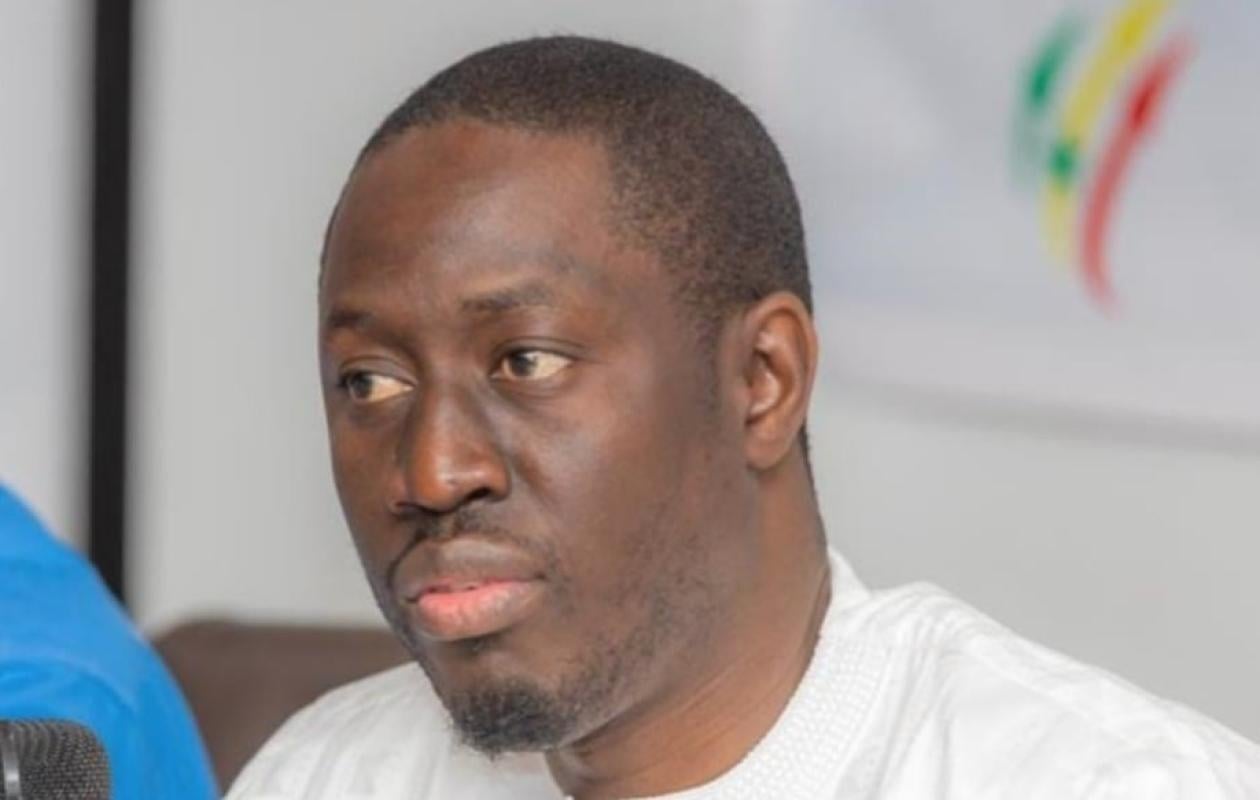
On behalf of the United Nations Economic Commission for Europe, which provides the secretariat for the Water Convention, Francesca Bernardini, head of the transboundary cooperation section, commended the progress made since the launch of the dialogue. She noted that the Convention Secretariat has supported the process from the outset and highlighted the political commitment of the four countries. She stated that they have demonstrated “very strong political leadership and a strategic vision regarding the basin’s needs and its future,” a vision that has enabled the development of a joint project encompassing all dimensions of sustainable management.
According to her, the text submitted for validation is based on a comprehensive approach integrating knowledge management, resource protection, the institutional and legal framework, the inclusivity of populations, and access to financing. This holistic vision, she explained, addresses the needs of a growing population and the requirements related to agriculture, climate adaptation, and industrial development. She also highlighted the role played by the ministerial meetings, which established a clear direction around a legal agreement designed to provide a sustainable basis for cooperation.
Francesca Bernardini reiterated the quality of the preparatory work carried out at the national and regional levels. She mentioned the in-depth analyses and exchanges between stakeholders from the four countries that resulted in a text she described as "robust" from a technical, legal, and political standpoint. She noted that many of the identified needs overlap, which, in her view, reinforces the relevance of a common framework for the future of the basin.
This meeting also provided an opportunity to highlight the technical and financial partners. The UN official cited the World Bank, the Global Environment Facility, Italian cooperation, and the European Union, noting that their involvement reflects the existence of clear priorities and a credible cooperation platform. She added that the agreement under discussion also constitutes "a strong basis for predictability regarding the commitment and support of the international community," a factor considered crucial for long-term investments in the basin.
On behalf of the World Bank, Fatouma Touré Ibrahima, Water Sector Director for West Africa, placed the discussions within a global context where cooperation on transboundary aquifers remains rare. She noted that, of the several hundred aquifers identified worldwide, only a few are subject to formal agreements. In this context, the process initiated around the BASM represents, in her view, a major opportunity for the region.
The representative of the financial institution indicated that the World Bank considers this dialogue an example of how cooperation on groundwater can contribute to water security, climate resilience, and regional stability. She reaffirmed the Bretton Woods institution's commitment to supporting the process beyond the signing of the agreement, including during the implementation and operationalization phases. She emphasized the importance of financial contributions from states, even modest ones, which, in her view, can play a catalytic role by facilitating the mobilization of additional resources.
She went on to discuss the work being done with other partners to align the cooperation agenda with that of financial resources, emphasizing the need to link political dialogue to concrete solutions. She also mentioned the development of a sub-regional program focused on the development, resilience, and effective management of water resources, in which transboundary waters play a significant role.
For the European Union, a key partner in the process, the Dakar workshop comes at a pivotal moment. Jean-Marc Pisani, Ambassador and Head of the European Union Delegation to Senegal, stated that the region is "at a decisive moment for hydro-diplomatic cooperation in West Africa." He noted that the aquifer basin is the lifeblood of several million people and provides a significant portion of the groundwater needs of the four countries.
For the European diplomat, the sustainable management of this resource is essential for climate resilience and regional stability. He welcomed the political progress made since the 2021 ministerial declaration and the more recent commitments under the Water Convention. According to him, the validation workshop is "the final crucial step before the agreement is submitted for adoption," with the stated goal of finalizing the text before the next international conference on water.
Jean-Marc Pisani also highlighted the role of the OMVS and OMVG, which he presented as benchmarks in surface water management. He explained that their involvement in the groundwater dialogue from the outset has fostered synergy between surface and subsurface resources, considered a key factor in the future governance of the basin. He announced the recent launch of the Integrated Water Resources Management Program for the Senegal River (PROGIRESS), funded by the European Union and Italian cooperation, presented as the operational arm designed to translate the principles of the agreement into concrete benefits for the local population.














Commentaires (0)
Participer à la Discussion
Règles de la communauté :
💡 Astuce : Utilisez des emojis depuis votre téléphone ou le module emoji ci-dessous. Cliquez sur GIF pour ajouter un GIF animé. Collez un lien X/Twitter ou TikTok pour l'afficher automatiquement.