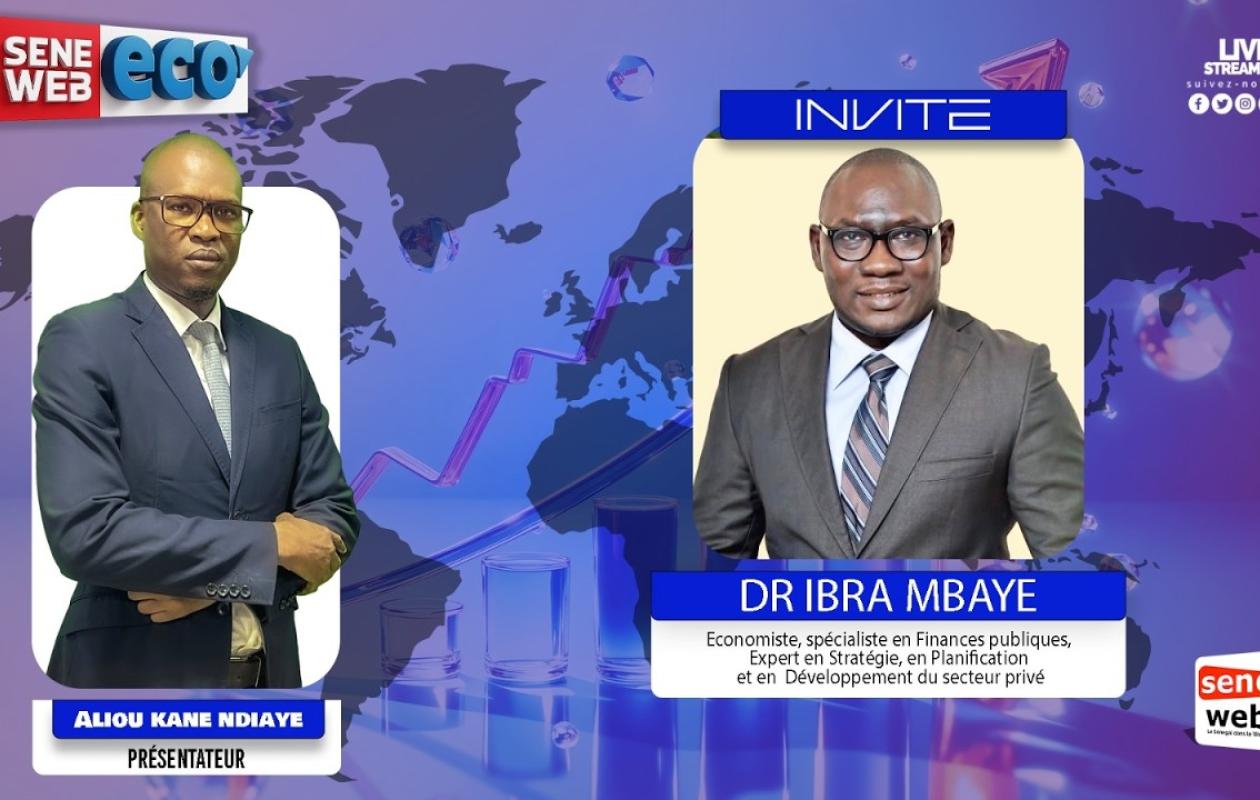
Fiscalité, financement, marchés publics : Les obstacles qui freinent les PME
Small and medium-sized enterprises (SMEs) represent 99.8% of Senegalese businesses, but 97% of them operate in the informal sector. This was revealed by economist Dr. Ibrahima Mbaye, a specialist in SME development. A guest on the "Seneweb Eco" program this Sunday, June 7, 2026, the expert believes this situation severely penalizes the national economy. "A company operating in the informal sector can never access public procurement," he explained. It also faces difficulties obtaining bank financing because financial institutions require transparency regarding a company's activities and financial statements.
Dr. Mbaye also asserts that the state loses out in this situation. "A significant portion of tax revenue escapes the state through the informal sector," he states. He also mentions an underestimation of the wealth actually generated by the private sector, as some of the value created is not included in official statistics.
Tax pressure that discourages formalization
The reforms undertaken by the State, including one-stop shops for business creation, have not been enough to reverse the trend. Mr. Mbaye also points to a "very high tax burden on SMEs".
According to him, many entrepreneurs prefer to remain in the informal sector due to the administrative burdens and obligations associated with formalization. In this regard, he calls for the creation of a specific status for SMEs, accompanied by temporary tax exemptions, modeled on the system implemented in countries that have adopted such measures.
Structurally inaccessible public markets
Despite provisions in the Public Procurement Code that include measures to support SMEs, access to public contracts remains limited, and tenders require technical expertise and financial guarantees that most SMEs cannot provide. "Public procurement has requirements. Today, SMEs still struggle to demonstrate that they have the technical capabilities needed to fulfill government contracts," he emphasizes.
However, according to him, the majority of SMEs do not have the required references or the necessary financial guarantees to bid under good conditions.
They find themselves competing with large national and foreign companies that are better structured to meet the tendering requirements. He therefore recommends supporting SMEs in preparing their applications, stricter application of existing affirmative action measures, and the implementation of a monitoring and evaluation mechanism.







![[Exclusif] Affaire Pape Cheikh Diallo : Les coulisses de son extraction secrète de Rebeuss ce jeudi !](https://image.seneweb.com/content/news/2026-25-18//thumb_1260x800_6a3434c7e3e9d_afwaHJw2Yb.jpg)










Commentaires (5)
Participer à la Discussion
Règles de la communauté :
💡 Astuce : Utilisez des emojis depuis votre téléphone ou le module emoji ci-dessous. Cliquez sur GIF pour ajouter un GIF animé. Collez un lien X/Twitter, TikTok ou Instagram pour l'afficher automatiquement.