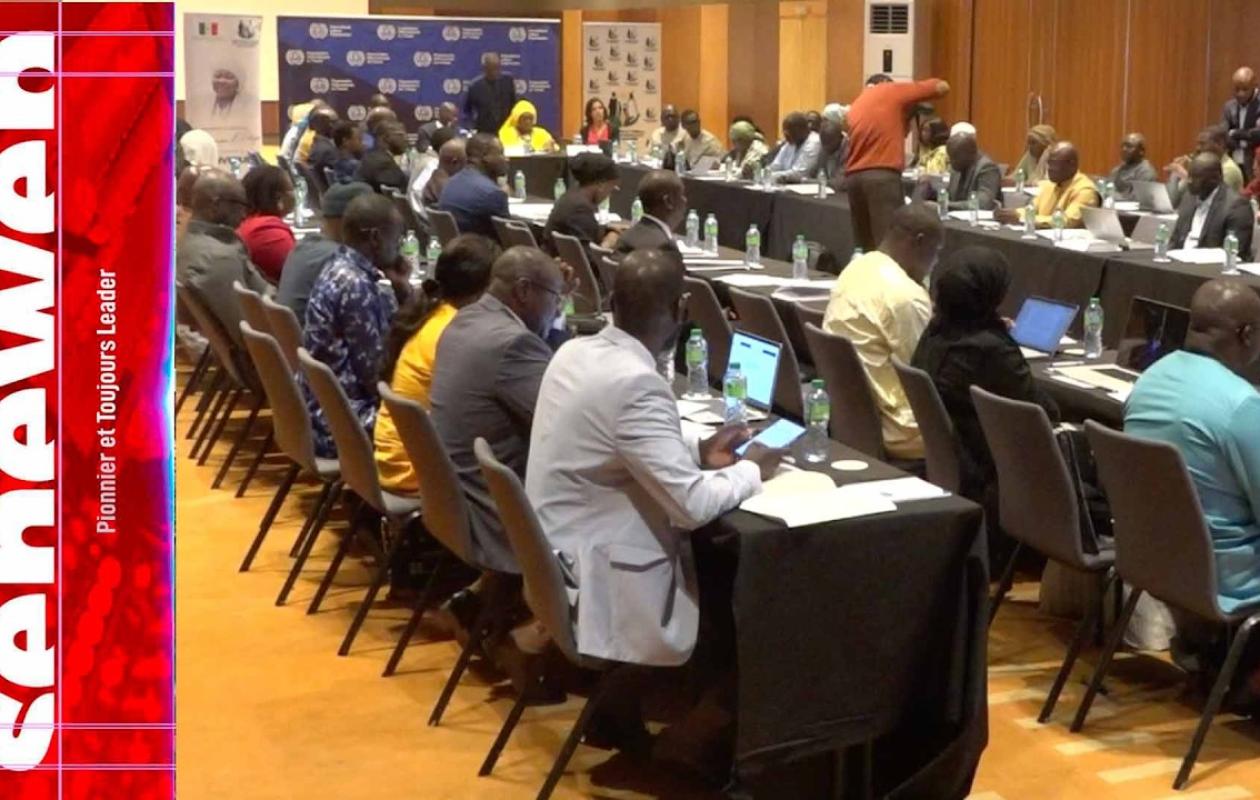
Couverture Maladie Universelle : Vers la fin de la fragmentation des régimes de santé
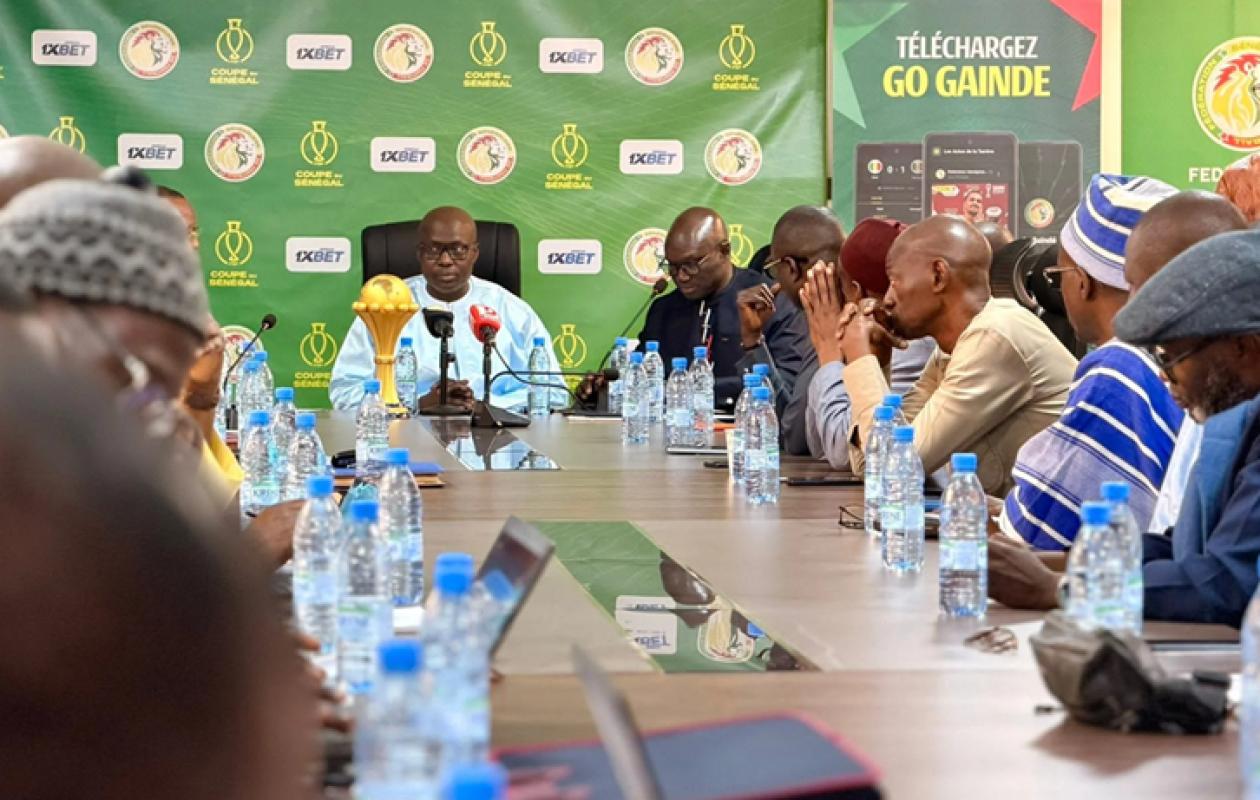
The Noom Hotel hosted a crucial technical validation workshop on Tuesday, February 17, 2026, as part of the National Dialogue on Social Protection. The objective was to identify the most suitable architecture for the Senegalese context in order to establish an integrated national health insurance system.
Organized by the Senegalese Agency for Universal Health Coverage (SEN-CSU), in partnership with the Ministry of Family, Social Action and Solidarity (MFASS), the International Labour Organization (ILO), and the World Bank, this meeting brought together government representatives, experts, and technical and financial partners. The aim was to consolidate consensus around a unified, inclusive, and sustainable framework to provide equitable access to healthcare for all Senegalese.
End the fragmentation of regimes
According to Youssou Djitté, Chief of Staff at MIFASS, the current system suffers from a detrimental fragmentation. Although several institutions already provide support for civil servants, formal sector workers, and those in the informal sector, this fragmentation undermines overall efficiency. "The general observation is that this fragmentation of support systems does not guarantee equity for all citizens," he explained.
For Mr. Djitté, the adoption of a unified architecture is the key to addressing persistent challenges such as the appropriate targeting of beneficiaries, resource mobilization, risk pooling and governance transparency.
A "Made in Senegal" model
Dr. El Hadji Séga Guèye, Director General of SEN-CSU, echoed this sentiment, emphasizing the importance of coordinated action: "The goal is to create a well-oiled system where all stakeholders work together." He firmly maintained that Senegal should not simply import foreign models, but must build its own system based on its socio-economic realities.
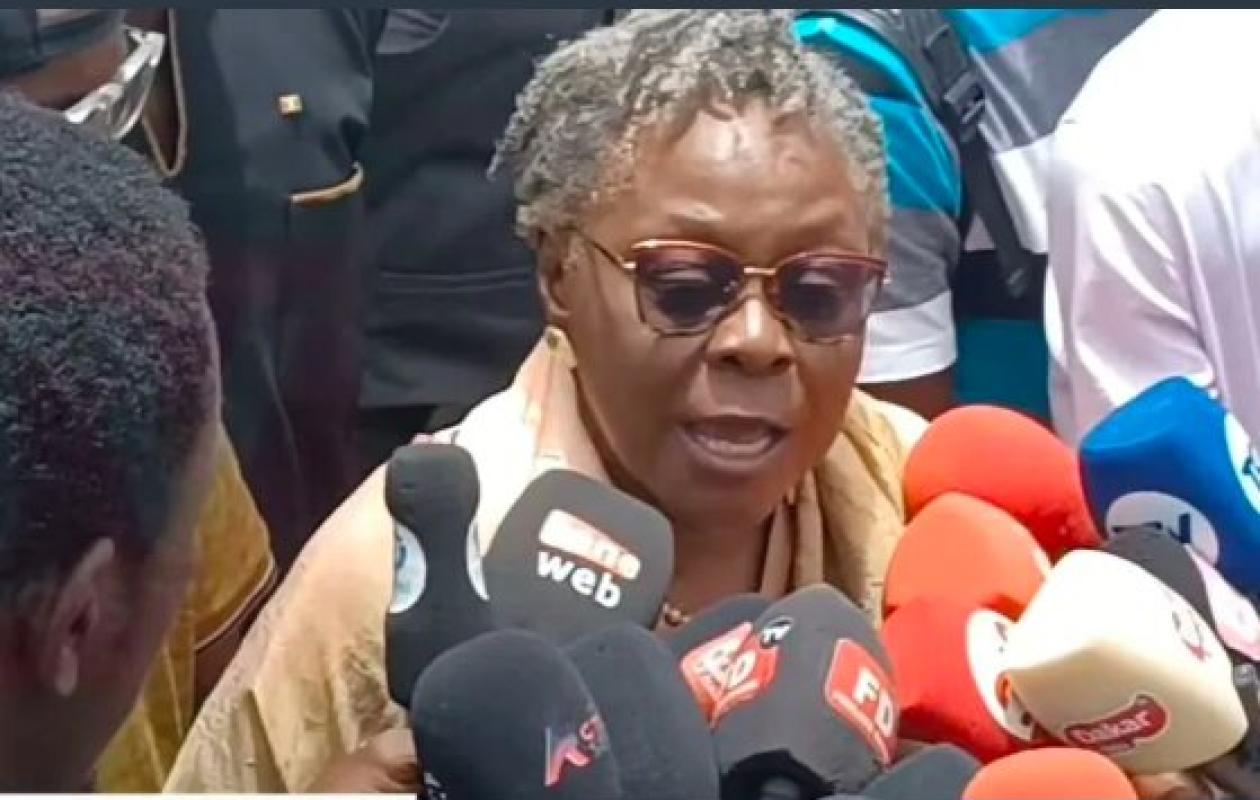
For her part, Laurence Lannes, representative of the World Bank, highlighted the analytical support provided by the institution to reduce fragmentation. As chief health economist in Dakar, she emphasized that pooling resources will lead to greater efficiency. She also mentioned the existence of specific financial programs, particularly for the protection of women and children under five.
The commitment of local authorities
The president of the local elected officials, Mamadou Woury Diallo, welcomed this simplification initiative. He affirmed the local authorities' willingness to support this process. "Several municipalities have already increased their budget contributions, particularly following the '3Cap Santé' tour," he revealed, while also acknowledging the continued support of the International Labour Organization and the World Bank.















Commentaires (1)
Participer à la Discussion
Règles de la communauté :
💡 Astuce : Utilisez des emojis depuis votre téléphone ou le module emoji ci-dessous. Cliquez sur GIF pour ajouter un GIF animé. Collez un lien X/Twitter, TikTok ou Instagram pour l'afficher automatiquement.