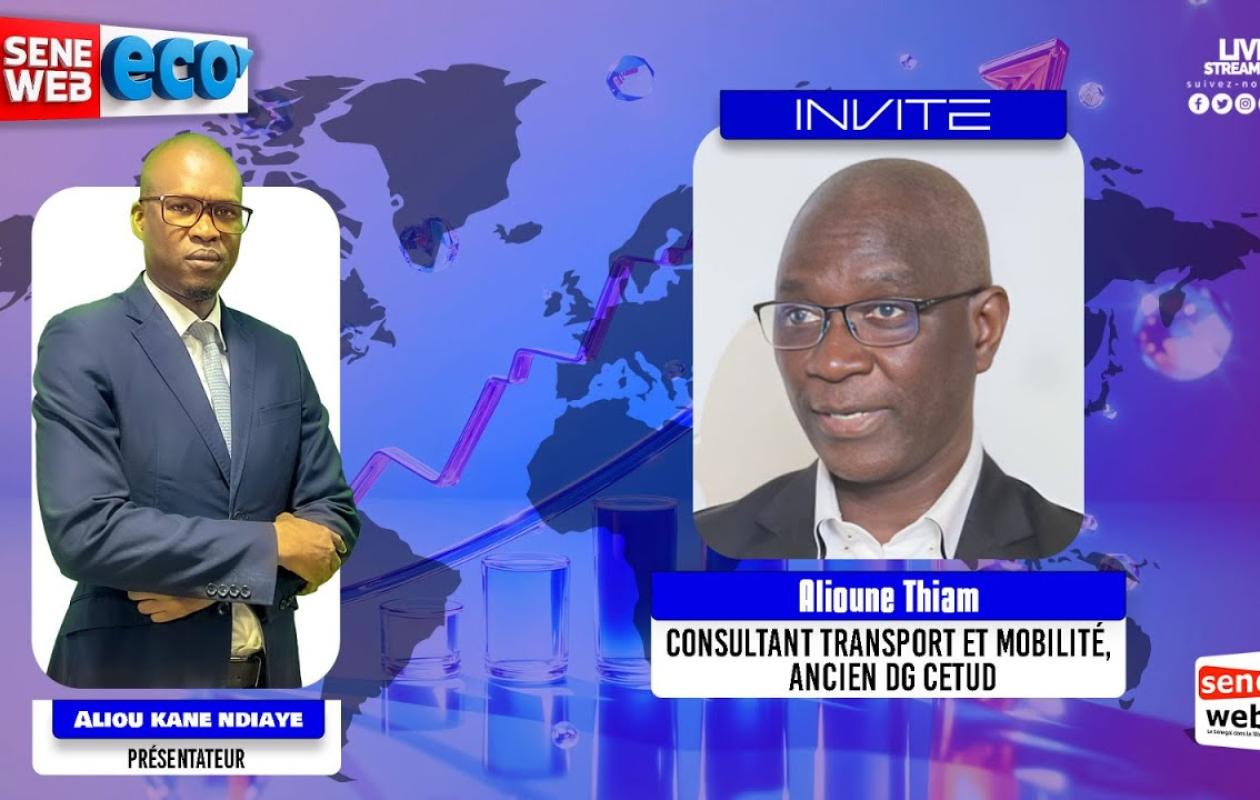
Transports urbains : des pertes économiques colossales et des performances en dessous des objectifs
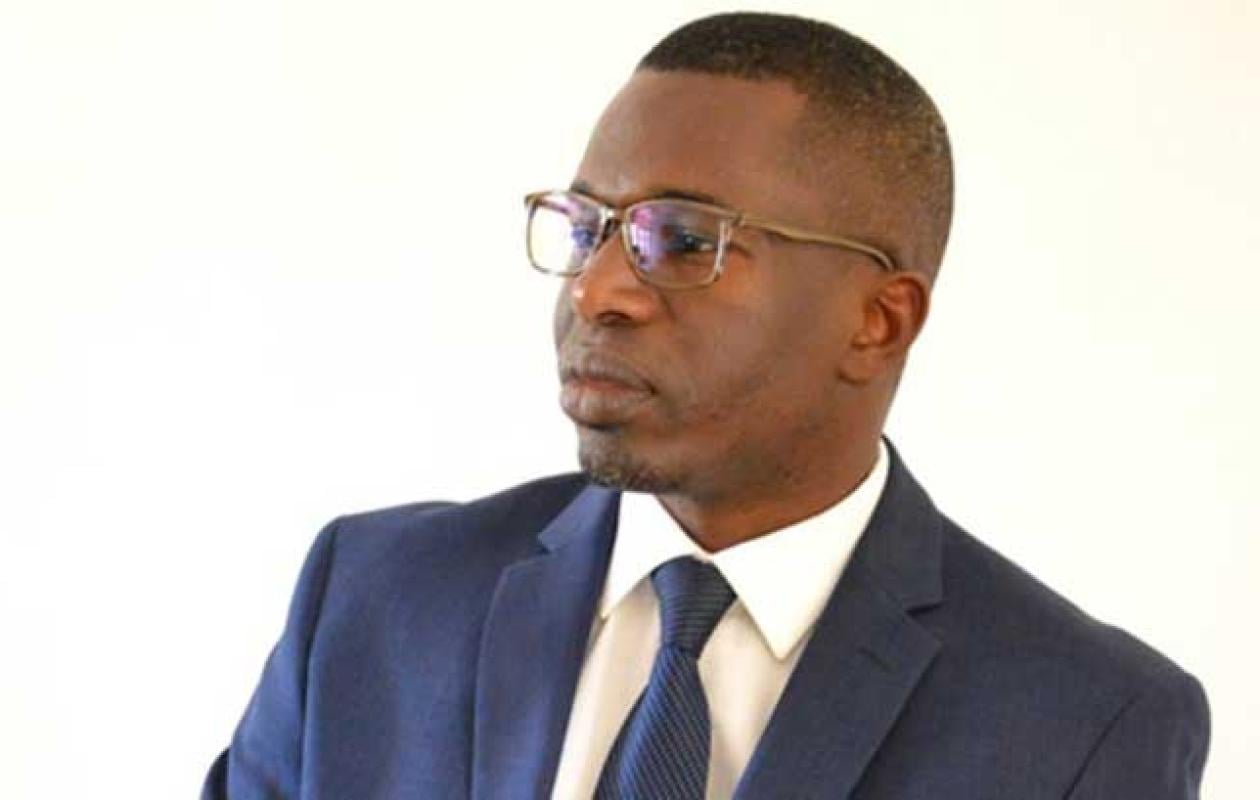
The urban transport system in Senegal is currently costing the national economy far more than one might imagine. A guest on Seneweb Éco this Sunday, January 25, 2026, Alioune Thiam, the former Director General of the Dakar Urban Transport Executive Council (CETUD), stated that losses due to congestion and malfunctions in the sector have now reached critical levels.
According to the transport and mobility consultant, the most recent estimates, based on studies conducted around 2022, suggest annual losses of up to 900 billion CFA francs, far exceeding the figures long cited by the World Bank. "We are no longer dealing with modest figures. The situation has worsened considerably," he states.
These economic losses are primarily linked to the negative externalities of urban transport, namely road congestion, air pollution, and traffic accidents. "These three components are factored into the calculation models," explains Alioune Thiam. However, despite investments made over the past two decades, particularly in roads and interchanges, congestion has continued to worsen, especially in the Dakar metropolitan area.
Heavy investments, but a limited impact
Highlighting a paradox, the urban planner points out that while infrastructure has proliferated, the overall performance of the system remains weak. The expansion of the road network and the construction of overpasses have primarily facilitated the use of private cars, without providing a lasting solution to mobility problems. "We won't solve the transportation crisis with individual car use," he asserts, emphasizing that only a reliable and high-capacity public transportation system can reverse the trend.
TER and BRT: results below expectations
Despite their crucial role in structuring the transport network, the Regional Express Train (TER) and the Bus Rapid Transit (BRT) system are experiencing ridership levels far below initial targets. The TER currently carries around 60,000 passengers per day, well below its maximum capacity, while the BRT is also struggling to exceed this threshold, despite projections that ultimately anticipated 300,000 daily passengers.
Conversely, the traditional AFTU network continues to provide nearly 1.2 million journeys per day, driven by captive users who often have no viable alternative.
This poor performance has a direct cost for the state. "When the traffic levels guaranteed to operators are not met, the difference must be compensated by subsidies," emphasizes Alioune Thiam. This additional budgetary burden comes on top of the economic losses already caused by congestion.
Fatigue, productivity and competitiveness
Beyond the figures, the urban planner raises concerns about the human and economic impact of commuting. Excessive travel times generate chronic fatigue that affects both workers and students. "A child who takes nearly two hours to get home arrives exhausted, and it's the same for the employee," he notes.
For Alioune Thiam, it is becoming essential to integrate this fatigue into the overall assessment of transport costs, because it directly affects productivity, business performance and the competitiveness of Small and Medium Enterprises (SMEs).
A challenge of governance and consistency
Faced with these losses and poor performance, the former head of CETUD argues for greater coherence in the mobility system, based on intermodality, genuine priority for public transport, and a strengthened organizing authority. Without this, he warns, "investments will continue to yield results below expectations, while the economic cost of congestion will continue to mount."















Commentaires (5)
Quelle fourberie de penser que c’est le bon moment pour parler, faire semblant de maîtriser le secteur, en relevant des lunettes qui tombent sur des sujets mal maitrisés. Il fallait parler de ton bilan de réalisations au cetud, de ton parcours académique et professionnel pour démontrer que c’est loin de l’idée d’une expertise confirmée. Wakh ba nakh niit gni ! Wala faux candidat pour remaniement ?
Participer à la Discussion
Règles de la communauté :
💡 Astuce : Utilisez des emojis depuis votre téléphone ou le module emoji ci-dessous. Cliquez sur GIF pour ajouter un GIF animé. Collez un lien X/Twitter, TikTok ou Instagram pour l'afficher automatiquement.