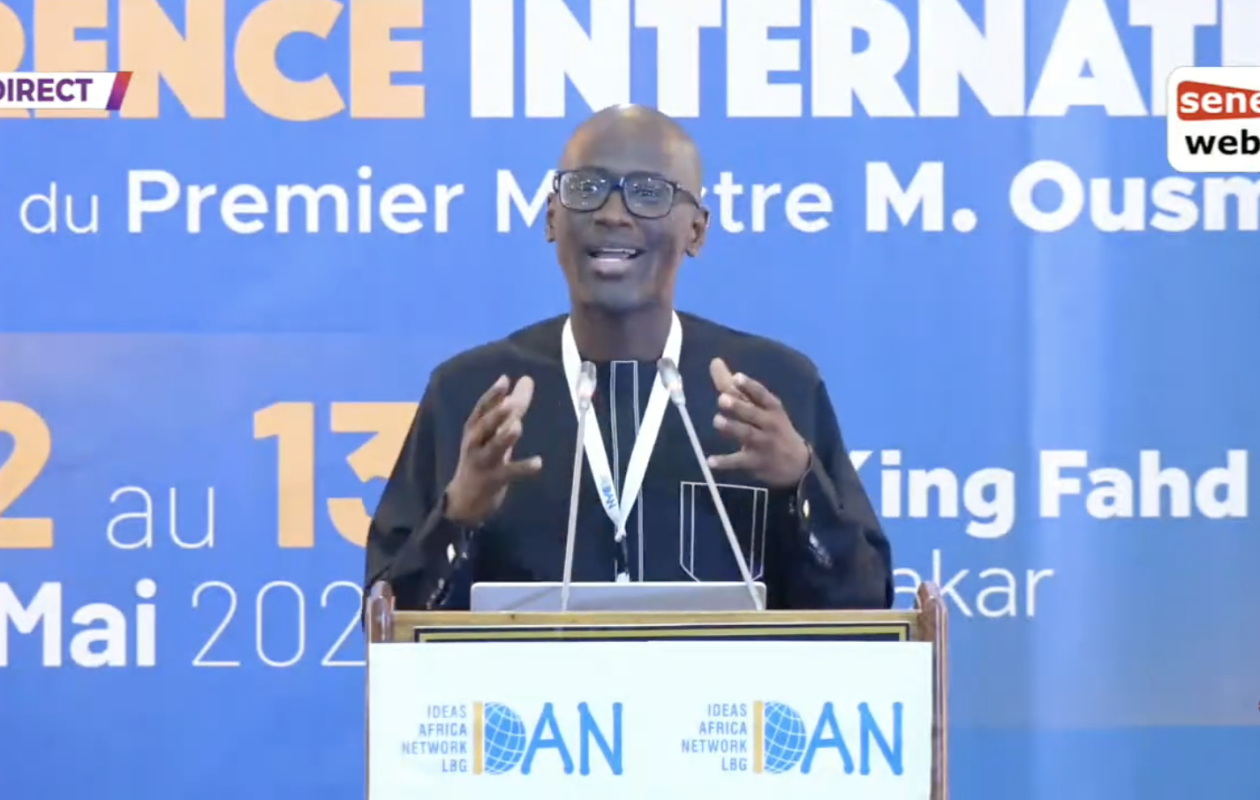
"On ne doit pas les payer..." : Les recommandations radicales de Ndongo Samba Sylla sur l'affaire de la dette cachée
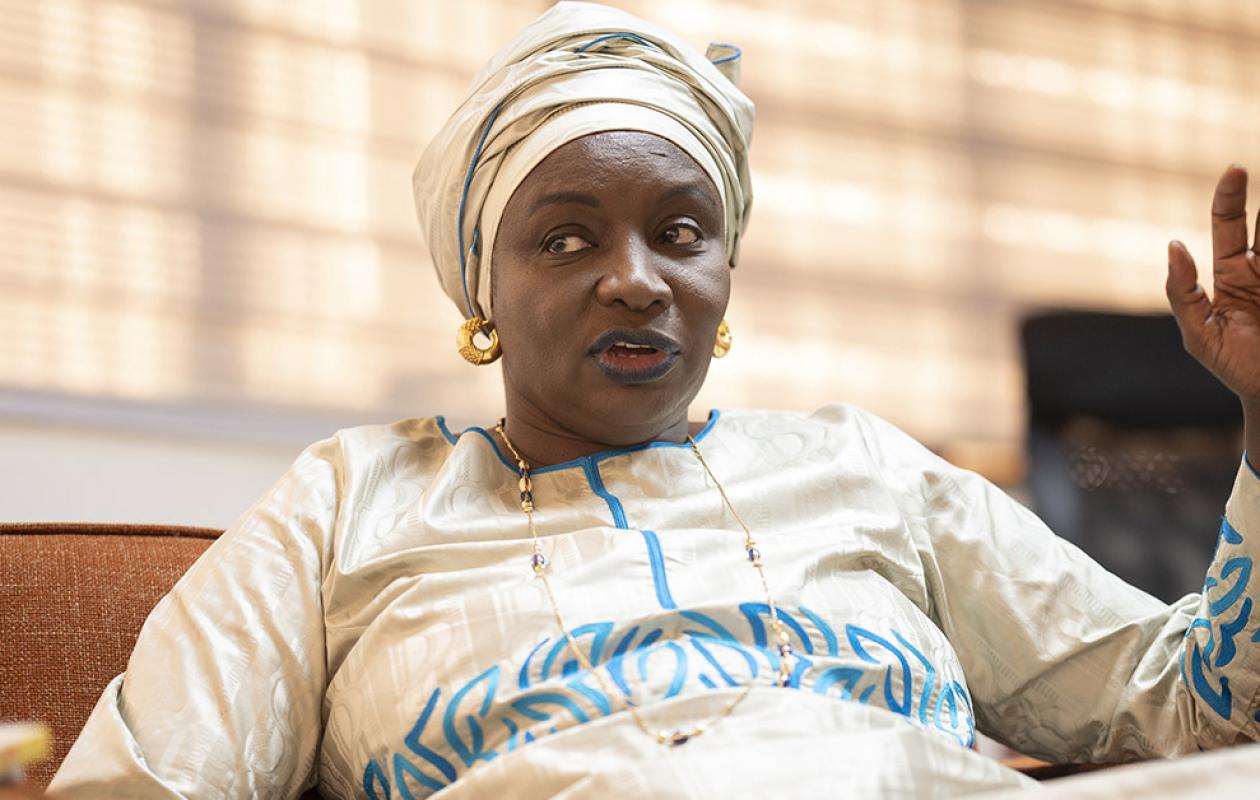
Ideas Africa officially launched its international conference on the Senegalese debt crisis this Tuesday. The meeting brought together scientists, public officials, and academics from all disciplines, among others, to discuss the issue. Economist Ndongo Samba Sylla, who presented on the topic, outlined several recommendations, focusing on legal, institutional, and economic aspects.
Freeze the servicing of these hidden debts
“From a legal and institutional standpoint, thorough investigations are needed to determine responsibility,” the economist believes. He argues that the Senegalese government should request an internal investigation by the IMF's board of directors into “the IMF's conduct regarding what happened between 2011 and 2023.” Mr. Sylla also recommends investigations on the Senegalese side, particularly through a citizen audit of the debt, to find out “what happened.”
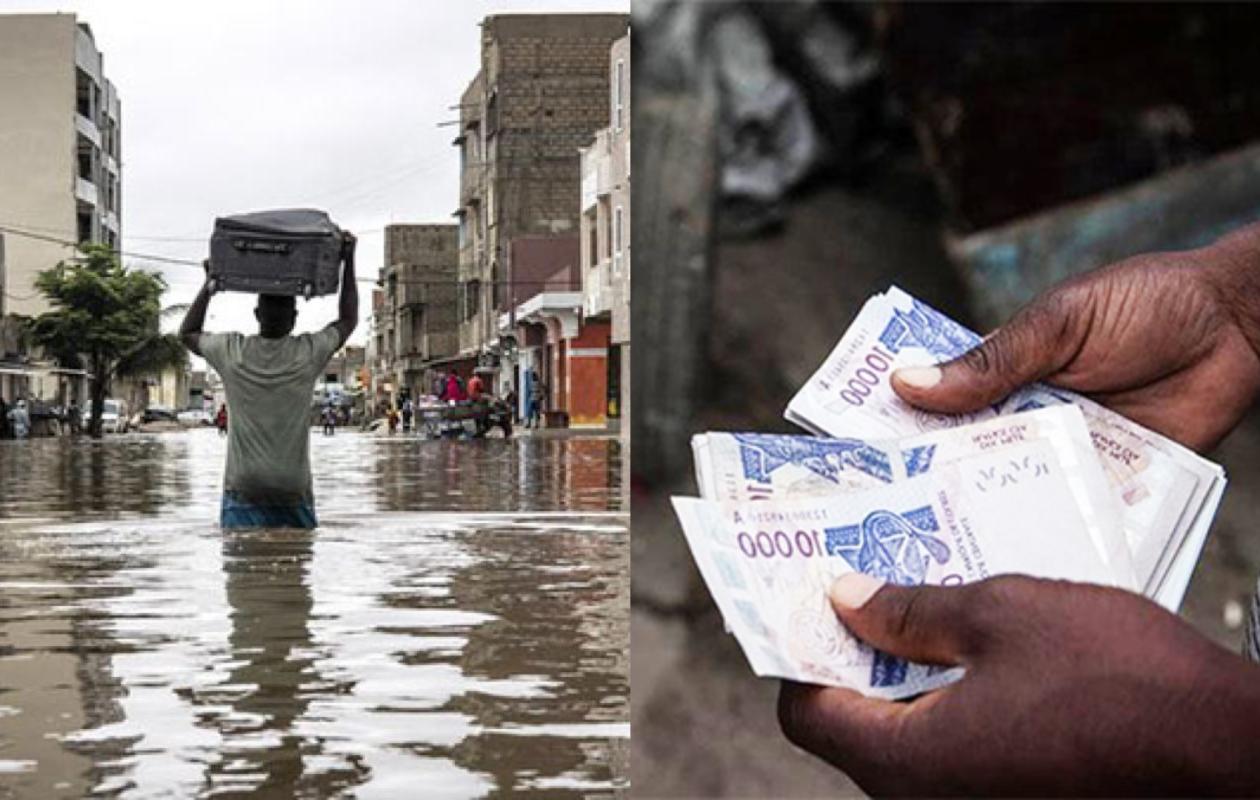
Regarding the issue of repayment, the economist was clear: “These hidden debts should not be paid. Their servicing should be frozen until the situation becomes clearer,” he said. He added that it would be crucial to maintain financial stability, since when a state defaults on its own currency, “it can affect the stability of banks and savers.” And if the state does decide to honor these debts, the central bank should facilitate repayment so as not to place a heavy burden on the budget.
The CFA-IMF system: a debt trap
On the economic front, Mr. Sylla points out that the CFA-IMF system is a structural mechanism of indebtedness in foreign currency. He even considers it a “debt trap.” The economist explains that today, Senegal does not, for the time being, have real control over the natural resources sector, which generates foreign exchange.
For him, therefore, any solution that maintains this framework, this CFA-IMF system, with limited sovereignty over resources and a lack of reforms to the payment system, will only be a palliative. “The worst solution, in quotation marks, would be austerity, because austerity amounts to weakening the economy and privatizing foreign exchange-generating sectors for the benefit of multinationals and foreign direct investment,” he warns.
“France is not playing its role as an insurer…”
Mr. Sylla also wants France to be asked to activate its guarantee. He points out that France committed, within the framework of the CFA franc, to lending the French Treasury foreign exchange whenever the Central Bank of West African States (BCEAO) lacks sufficient foreign currency. In return, the WAEMU countries are required to deposit 50% of their foreign exchange reserves there.
“If we don’t have currency constraints, because the French Treasury grants us this facility, then why issue Eurobonds? Issue debt in CFA francs, and if there aren’t enough dollars and euros, the French Treasury will lend,” he said. But if our countries are starting to issue Eurobonds, it’s because France isn’t fulfilling its role as an insurer. “France needs to be told to play its role as an insurer,” he declared.
The Economist also advises the Senegalese authorities to work towards greater control over natural resources, to establish a national currency issued by a national central bank, to reform the payment system in order to end external debt crises, and to establish public banks.









Commentaires (17)
Participer à la Discussion
Règles de la communauté :
💡 Astuce : Utilisez des emojis depuis votre téléphone ou le module emoji ci-dessous. Cliquez sur GIF pour ajouter un GIF animé. Collez un lien X/Twitter, TikTok ou Instagram pour l'afficher automatiquement.