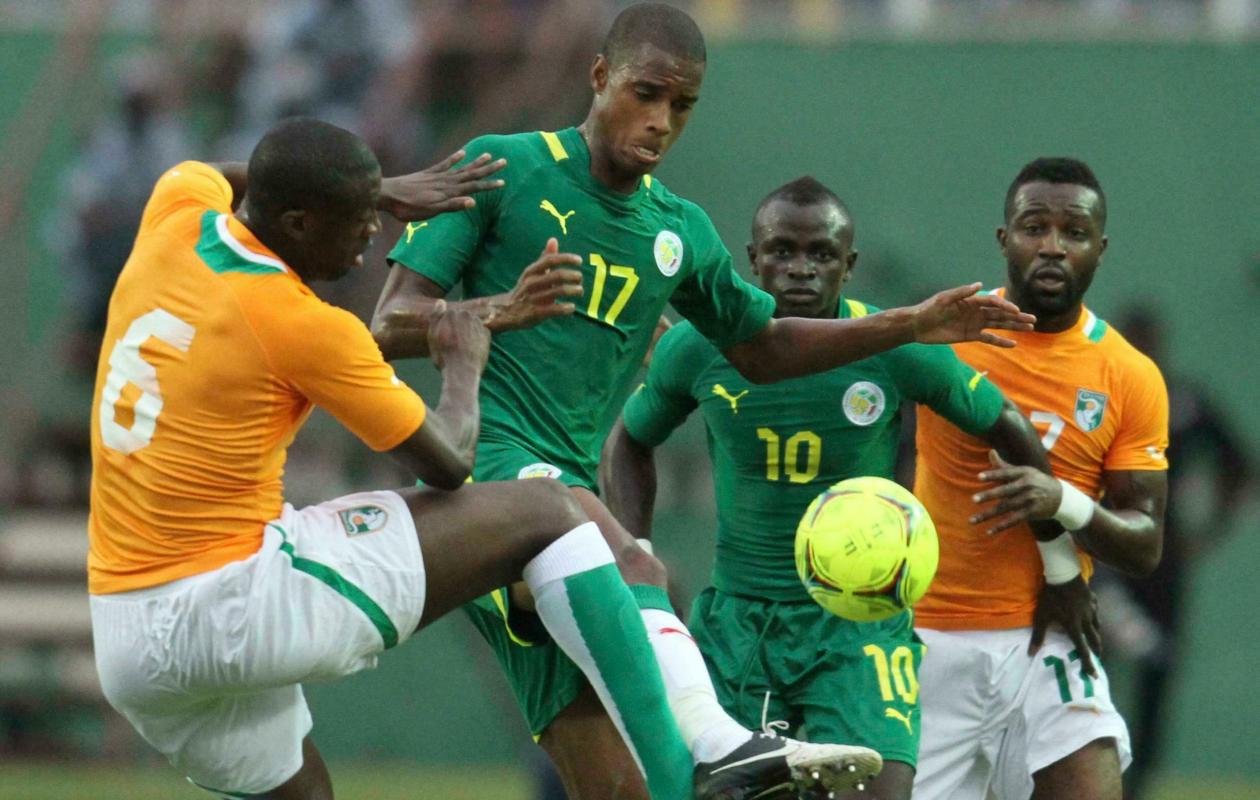
Mondial 2026 : France - Sénégal, le cœur de Ricardo Faty balance
À moins de six mois du coup d'envoi de la Coupe du monde 2026, l'affiche entre la France et le Sénégal cristallise déjà toutes les attentions. Pour l'ancien international sénégalais Ricardo Faty, ce duel du premier tour, prévu le 16 juin prochain, revêt une dimension particulière.
Ancien milieu de terrain des « Lions » (6 sélections), Ricardo Faty a également porté le maillot tricolore dans les catégories de jeunes. Cette double culture rend le choix cornélien à l'approche de cette rencontre spectaculaire. Pour lui, ce match fait écho au souvenir indélébile de 2002, où le Sénégal avait terrassé le champion du monde en titre (1-0). « Quelque chose a germé dans mon esprit, comme chez tous les autres jeunes de ma génération : “Waouh, on peut les battre !” », confie-t-il au média Urban Pitch.
Aujourd'hui entraîneur en France, Faty refuse de trancher entre ses deux patries. Sa position est empreinte de nostalgie et de loyauté envers les deux nations qui l'ont façonné : « Le Sénégal, c’est le sang, la France, c’est le cœur. Je ne peux pas choisir. J’ai joué pour le Sénégal et j’entraîne en France. Ce sont mes deux pays. »
Pour l'ancien international, le verdict se résume à une formule simple : que la meilleure équipe l'emporte sur le terrain.
![[EXCLUSIF] Actes contre nature : L'homme politique Ndiaga Seck arrêté par la DIC](https://image.seneweb.com/content/news/2026-20-15//thumb_1260x800_6a0726d812df9_nxDd5CNBzl.jpg)









Commentaires (6)
By Enitan Abdultawab
President of the Confederation of African Football (CAF) Referees Committee, Olivier Safari, has hinted that the body may move to review existing regulations guiding the use of towels by goalkeepers, following the controversy that trailed their use during the just-concluded Africa Cup of Nations (AFCON) in Morocco.
The controversy came to light during the semi-final clash between Nigeria and host nation Morocco, where Super Eagles goalkeeper Stanley Nwabali was repeatedly distracted as stadium officials interfered with the towels placed behind his goal.
Videos of the disruptions quickly went viral, drawing criticism from fans and pundits over the lack of control around the pitch.
The issue resurfaced and intensified during the final, again involving the host nation.
Senegal goalkeeper Edouard Mendy experienced similar interference, with ball boys, stewards and even players handling or removing his towels during the match. One widely circulated clip showed Africa Footballer of the Year, Achraf Hakimi, taking Mendy’s towel from the goal area.
Tensions escalated further when Senegal’s substitute goalkeeper, Yehvann Diouf, attempted to safeguard the towels.
Diouf was chased around the pitch by stewards and ball boys before being forcibly escorted off, creating disorderly scenes that momentarily overshadowed the final.
Despite the distractions, Senegal went on to secure the AFCON title. However, the incidents may yet have consequences, with potential sanctions reportedly looming for sections of Senegal’s supporters, head coach Pape Thiaw, and the Senegal Football Federation.
Reacting to the episode, President of the Confederation of African Football Referees Committee, Olivier Safari, admitted the situation exposed a gap in regulations and hinted at possible changes ahead of future tournaments.
“This is a problem organisers must take into account in future competitions,” Safari said in an interview with Canal+ Afrique. He noted that towels are not officially recognised as playing equipment and cautioned against their misuse. “When a goalkeeper carries a towel, it must be done in a sporting and fair-play manner. Once it is used to shout instructions or influence the game, I believe it should be removed from the playing area.”
Comme pour blâmer la presence des serviettes sur l’aire de jeu et non le comportement des fans et même de joueur le meilleur africain de l’année😳 et préparer l’opinion à un éventuel blanchiment du camp marocain. Curieux, non?
Des sanctions de CAF par rapport à l'Algérie sont asymétrique
Que Les anciens joueurs trouvent une solution en rapport avec ces suspensions [ Cissé ,Diuouf etc..]
Participer à la Discussion
Règles de la communauté :
💡 Astuce : Utilisez des emojis depuis votre téléphone ou le module emoji ci-dessous. Cliquez sur GIF pour ajouter un GIF animé. Collez un lien X/Twitter, TikTok ou Instagram pour l'afficher automatiquement.