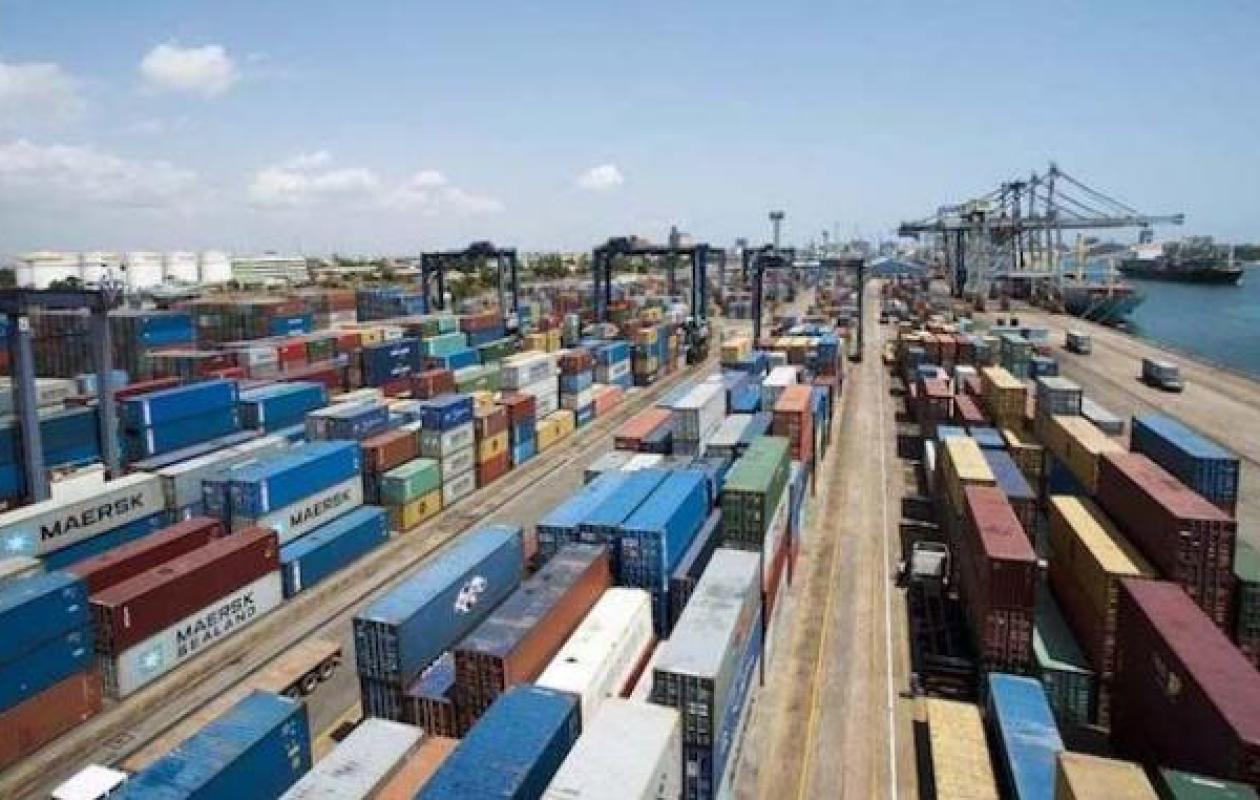
Ports :La bataille des quais en Afrique de l’Ouest
In an open economy, a port is much more than a simple point of entry and exit for goods. It determines the final cost of imports, the export capacity of businesses, and the overall attractiveness of the region. For Senegal, where foreign trade represents a significant share of the gross domestic product, the performance of the port of Dakar directly impacts national competitiveness.
The autonomous port of Dakar occupies a strategic geographical position at the westernmost tip of the continent, at the crossroads of maritime routes linking Europe, America, and West Africa. It also serves as a gateway to landlocked hinterland countries, notably Mali. However, this historical centrality does not guarantee the continuity of trade flows. Shippers and shipping companies make decisions based on delivery times, costs, and logistical reliability.
Competition has intensified in the sub-region. The ports of Lomé, Abidjan, and Tema have invested heavily in expanding their container terminals, automating operations, and streamlining procedures. Capacity has increased, drafts have been deepened, and logistics platforms have been modernized. These developments enhance the attractiveness of these hubs for major shipping companies.
Port competitiveness is not limited to the quality of the quays. It encompasses container dwell times, the speed of customs formalities, land connectivity, and cost predictability. Delays due to congestion, urban traffic, or complex administrative procedures can increase logistics costs and reduce the attractiveness of the Senegalese corridor.
The Senegalese authorities have launched several modernization projects, including the expansion of port infrastructure and the planning of a new deep-water port at Ndayane. The aim is to anticipate traffic growth, accommodate larger vessels, and reduce bottlenecks. Success, however, will depend on coordination between the port, customs, road transport, and private operators.
The stakes go beyond mere maritime performance. Improved logistics translate into lower import costs for local businesses and greater competitiveness for Senegalese exporters in international markets. Conversely, a loss of attractiveness could lead to a gradual diversion of trade flows towards more efficient regional hubs.
In a rapidly changing West African region, port competitiveness is becoming a key driver of economic positioning. Dakar possesses undeniable assets, but their realization will depend on the ability to maintain high standards of performance, efficiency, and reliability in the face of increasingly structured regional competition.
























Commentaires (5)
Participer à la Discussion
Règles de la communauté :
💡 Astuce : Utilisez des emojis depuis votre téléphone ou le module emoji ci-dessous. Cliquez sur GIF pour ajouter un GIF animé. Collez un lien X/Twitter, TikTok ou Instagram pour l'afficher automatiquement.