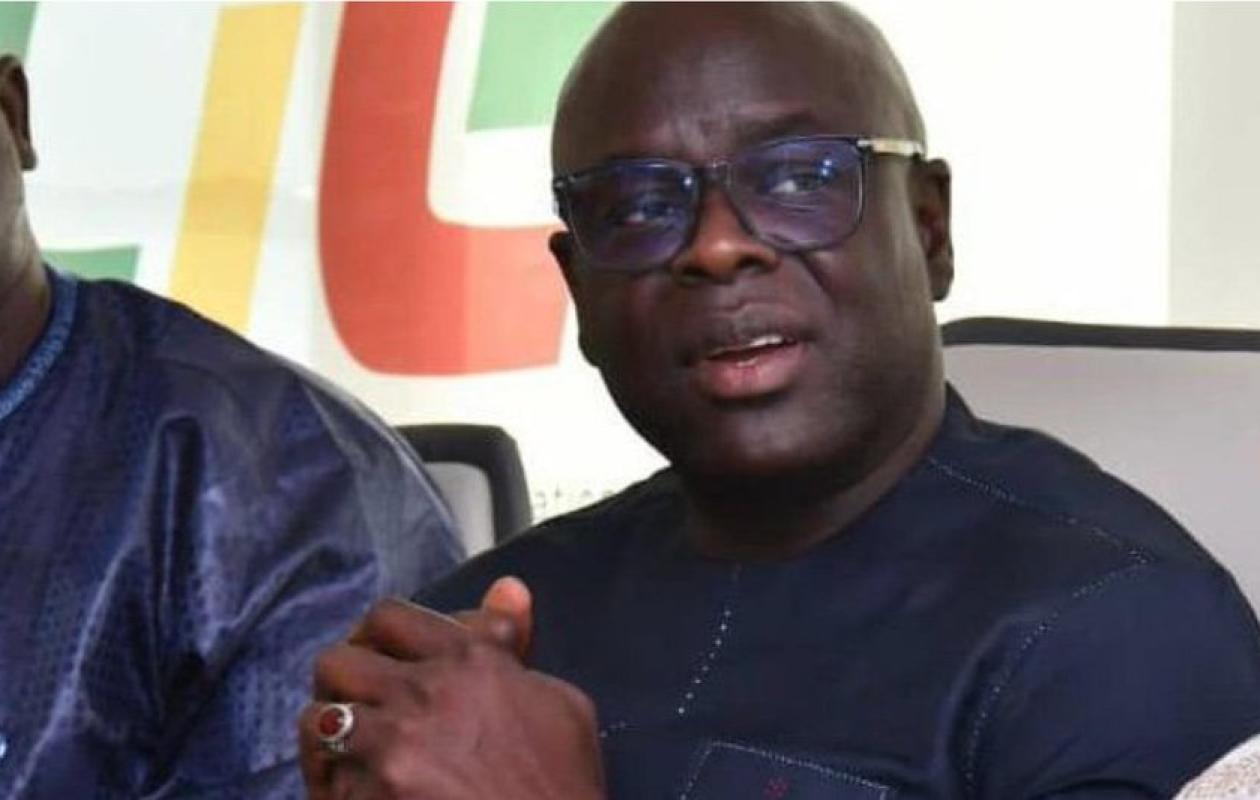
La “réalité du pouvoir” en Afrique : vérité ou alibi ? (Par Abdoulaye Dieng)
The “reality of power” is often presented as self-evident. In Africa, it is among the least questioned concepts, but remains one of the most accepted.
Power can be understood as the capacity to impose one's will within a world of constraints. On our continent, it is never exercised in isolation; it is embedded in a matrix where historical legacies, structural dependencies, and thwarted aspirations intertwine. In other words, it organizes reality while simultaneously revealing its limitations. Therefore, a crucial question arises: does power remain a lever for transformation, or is it gradually tending to become a mere mechanism of reproduction?
In practice, the answer requires a certain clarity. In its dominant configuration, power seems to bring about little change; it primarily stabilizes inherited balances. This is not due to a lack of competence, but because it is exercised within a framework whose fundamental principles are rarely challenged. Gaining power under these conditions is not so much about opening up a new field as it is about entering an already established structure, with its implicit rules and thresholds.
It is in this context that the notion of the “reality of power” becomes paramount. Presented as self-evident, it ultimately acts as a constraint. It explains shifts in policy, justifies retreats, and normalizes silences. Gradually, it tends to reduce the realm of possibility and establish the idea that any break with the past is unrealistic. The true trap of power perhaps lies not so much in constraint as in the habit that eventually takes hold. For this “reality” is not merely objective: it is also progressively internalized. One enters power with a desire for transformation; then, little by little, one maintains it by learning not to cause a stir. The shift is subtle, almost imperceptible: adaptation becomes the norm, and compromise tends to establish itself as a doctrine.
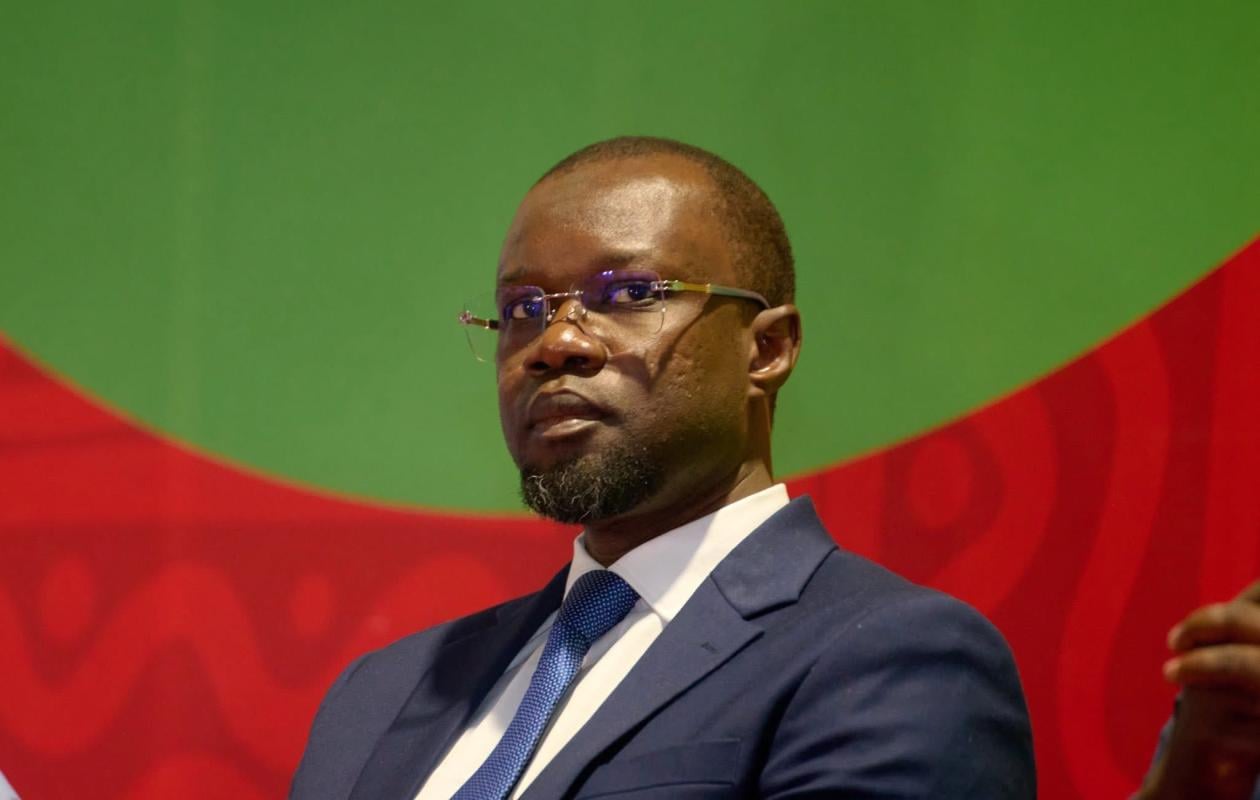
It is precisely this logic that some political figures, like Ousmane Sonko, are challenging today, asserting that there is no such thing as a valid “reality of power” and urging us not to confuse constraint with inevitability. For power is never neutral; it results from power dynamics, choices, and compromises. What appears as a limit is often the product of gradual acceptance. The question, therefore, is not whether power is coercive—it necessarily is—but to what extent these constraints are accepted. This is undoubtedly where the essential issue lies, not in the technical aspects alone, but in the stance of those who wield it.
Power does not always transform people; rather, it tends to reveal what they are willing to accept or reject. It tests their tolerance for compromise, their ability to resist inertia, and their willingness to stand by their convictions. Ultimately, it distinguishes those who adapt to the system from those who seek to redefine its rules.
In Africa, where sovereignty is now a priority in many countries, this demand is all the more pressing because it cannot be decreed: it is built over time, at the cost of difficult choices. It requires redefining partnerships, renegotiating economic relationships, and confronting established, often powerful, interests. But it runs up against a major constraint: immediate social demands, sometimes manipulated, and difficult to reconcile with the long timeframe of reforms. The government thus finds itself caught in a constant tension between urgency and what is essential.
It is in this tension that the credibility of leaders is measured. Not in their ability to deny constraints, but in their refusal to elevate them to an absolute. Governing is not so much about choosing between reality and the ideal as it is about maintaining a course, without being consumed by the constraints of the present.
The real break, therefore, lies not in the conquest of power, but in the way it is wielded. Power should not become a space for betrayal; it would be better served by remaining a place of testing, where principles are confronted with reality without being abandoned. The tragedy of power in Africa perhaps lies not so much in the constraints it imposes, but in the fact that it too often ends up convincing those who wield it that it cannot be otherwise. And it is precisely this conviction that we must reject today.

















Commentaires (3)
Participer à la Discussion
Règles de la communauté :
💡 Astuce : Utilisez des emojis depuis votre téléphone ou le module emoji ci-dessous. Cliquez sur GIF pour ajouter un GIF animé. Collez un lien X/Twitter, TikTok ou Instagram pour l'afficher automatiquement.