Artisanat : Entre statut fragile, financements incertains et zones d’activité en panne
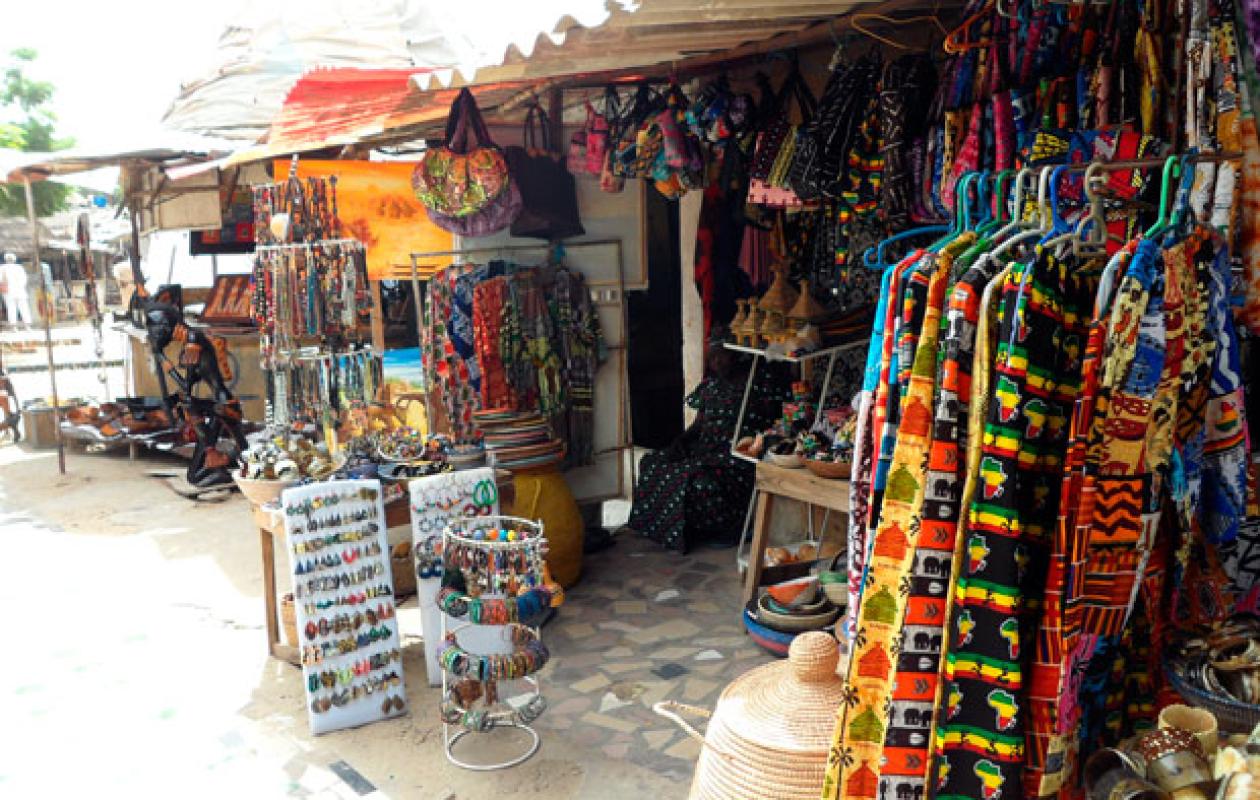
The crafts sub-sector, though essential to the Senegalese economy, is at a pivotal point. During the review of the 2026 budget for the Ministry of Culture, Crafts, and Tourism, members of parliament made a recurring observation: "a vital sector, rich in expertise, but still searching for a clear status, appropriate funding, and functional infrastructure." Despite its social and economic weight, Senegalese crafts suffer from a lack of recognition. The members of parliament reiterated "the urgent need to formalize the status of artisans in order to guarantee better social protection, simplified access to public procurement, stronger integration into development policies, and increased visibility within value chains." Indeed, formalization remains slow, hampered by the predominance of the informal sector and by procedures deemed overly complex.
The eternal battle for funding
Access to financing is the other major issue. Several concerns have been raised. “The law stipulates that 15% of public contracts must be reserved for artisans. In practice, this quota is very rarely respected, depriving local businesses of a major driver of growth. Members of Parliament point to the lack of regular funding for ZODAR (Rural Craft Development Zones) and ZECA (Craft Creation Expansion Zones), the absence of credit mechanisms adapted to the realities of artisans, and the limited access to hotel credit for tourism artisans. Several elected officials have called for the regulation of certain exports of raw materials and local products, in order to prioritize national artisans in processing. Craft Activity Zones are supposed to be the driving force behind the professionalization of the sector. But on the ground, the picture is less encouraging. These spaces are nevertheless essential for accommodating artisans, structuring local production, and boosting regional economies.” In Guédiawaye, the new urban development plan has sparked tensions, particularly regarding the eviction of mechanics and artisans who have sometimes been established there for decades. Without clearly defined relocation zones, these professionals find themselves in a precarious economic situation.








![[EXCLUSIF]De Ziguinchor au Méridien : Le déballage explosif de Ndiaga Seck qui livre les noms et numéros de 10 de ses amants](https://image.seneweb.com/content/news/2026-21-18//thumb_1260x800_6a0b129f253e7_EAmQ8XmZt5.jpg)
![[EXCLUSIF] Ndiaga Seck : Ce qu'il a dit sur Ousmane Sonko](https://image.seneweb.com/content/news/2026-21-18//thumb_1260x800_6a0b59b4699aa_zsVjCNITAk.jpg)











Commentaires (0)
Participer à la Discussion
Règles de la communauté :
💡 Astuce : Utilisez des emojis depuis votre téléphone ou le module emoji ci-dessous. Cliquez sur GIF pour ajouter un GIF animé. Collez un lien X/Twitter, TikTok ou Instagram pour l'afficher automatiquement.