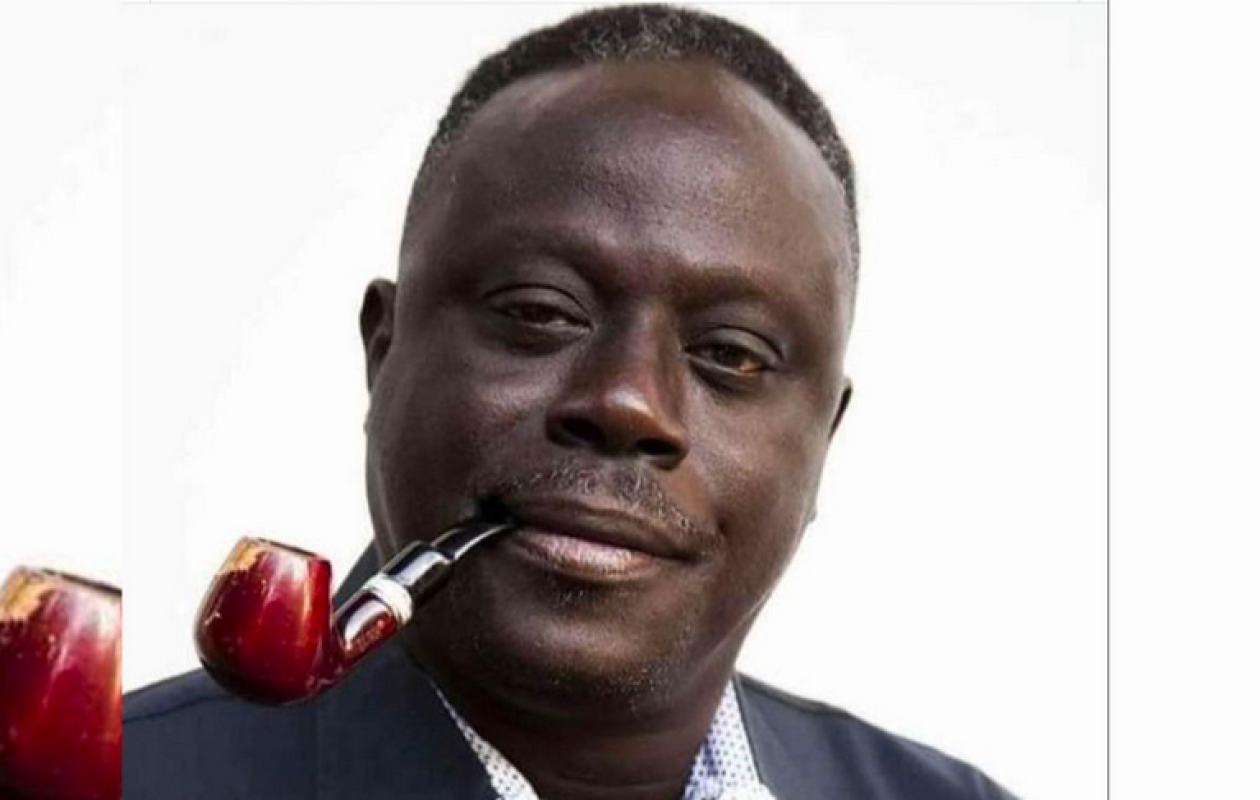
Ziguinchor : Ndukur Kacc Ndao immortalisé à l'écomusée de Brin
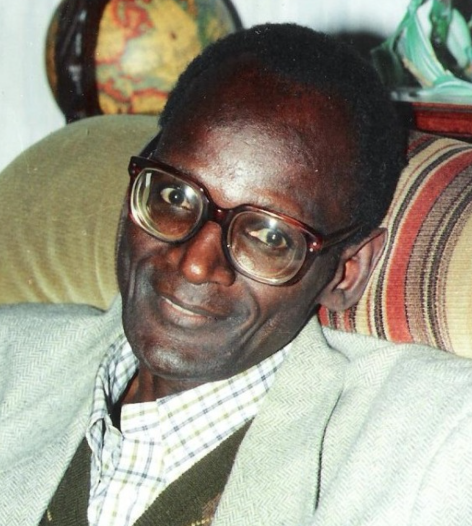
In Brin, a locality in the Ziguinchor department, the memory of Abdou Ndukur Kacc Ndao has been immortalized at the ecomuseum, established as a place for the transmission of culture. This project, which serves as a place for younger generations to learn about and understand the socio-cultural and ecological realities of the area, includes a gallery named after this anthropologist, researcher, and international teacher, who was recently presented to the community.
Marie Bassène, a French citizen who became a naturalized Diola, and the driving force behind this project which has been in development for 7-8 years, spoke about the motivations behind creating this ecomuseum in Brin, a land that has been her home for forty years.
According to her, the ecomuseum pays tribute to the elders who welcomed and embraced it for so many years. Its purpose is to pass on to new generations the objects used by their ancestors; many of these young people are unfamiliar with these objects, Marie Bassène explained. She added that the ecomuseum conveys an ecological message, given that the elders lived in a world where there was no waste and everything was recycled.
"This museum was born about 7-8 years ago, when the last of the old-timers passed away. When he left us, I thought, what am I going to do with all these objects? So I thought about it and I was able to arrange them in a scenography to be able to offer this cultural experience. And it has been 7 years now since it opened, growing a little more each year, and even more so today with this gallery. My objective is primarily cultural, not really economic, because what interests me is the transmission of culture and especially the preservation of heritage," said Marie Bassène.
The name Abdou Ndukur Kacc Ndao given to the gallery
The gallery named after Ndukur Kacc is a well-deserved tribute to this man of culture who, during his lifetime, demonstrated his attachment to Diola culture and his passion for art.
“We started with three exhibition rooms, then another, then two more, then another. Ndukur came to the museum two or three times. We had fascinating discussions, and it was then that the idea germinated to further transform the museum by enriching it with a gallery where we could showcase the objects through a more vibrant medium: portraiture. So, together with Doko Remata, we created this gallery, which first took shape in our minds, and today we are bringing it to life,” explained Marie Bassène.
The gallery at the Brin ecomuseum, named after this anthropologist, researcher, and international teacher, is a way of honoring his vision and passion for defending the heritage of Casamance. Marie Bassène sees him as an extraordinary man, "a wellspring of knowledge who was able to articulate anthropology, history, and sociology all at once."
And for this French woman, now a naturalized Diola, who gave the gallery the name Ndukur, this passion to defend Casamance culture has been perpetuated.
![[Exclusif] Révision de la Constitution : Le Conseil constitutionnel invalide le vote des députés](https://image.seneweb.com/content/news/2026-28-09//thumb_1260x800_6a4fdec36aa84_Tpa745ZYpD.jpg)











Commentaires (1)
Participer à la Discussion
Règles de la communauté
💡 Astuce : Utilisez des emojis depuis votre téléphone ou le module emoji ci-dessous. Cliquez sur GIF pour ajouter un GIF animé. Collez un lien X/Twitter, TikTok ou Instagram pour l'afficher automatiquement.
Se connecter
Commentez avec votre profil, votre photo, et soyez averti des réponses.