Corridors, ports, réexportation : L’Afrique de l’Ouest devient-elle une économie de transit ?
Ports are operating at full capacity, logistics corridors are multiplying, and customs revenues remain central to public finances. Yet, industrial transformation is progressing more slowly. In several West African countries, a growing share of wealth derives more from the movement of goods than from their production. Is the region gradually shifting towards a transit economy rather than a production economy?
West Africa's commercial role is not new. Coastal countries have long supplied landlocked states. Senegal, Ivory Coast, Togo, and Benin serve as commercial gateways to Mali, Burkina Faso, and Niger. But this logistical function has expanded significantly with the rise of container traffic, port modernization, and competition between regional hubs.
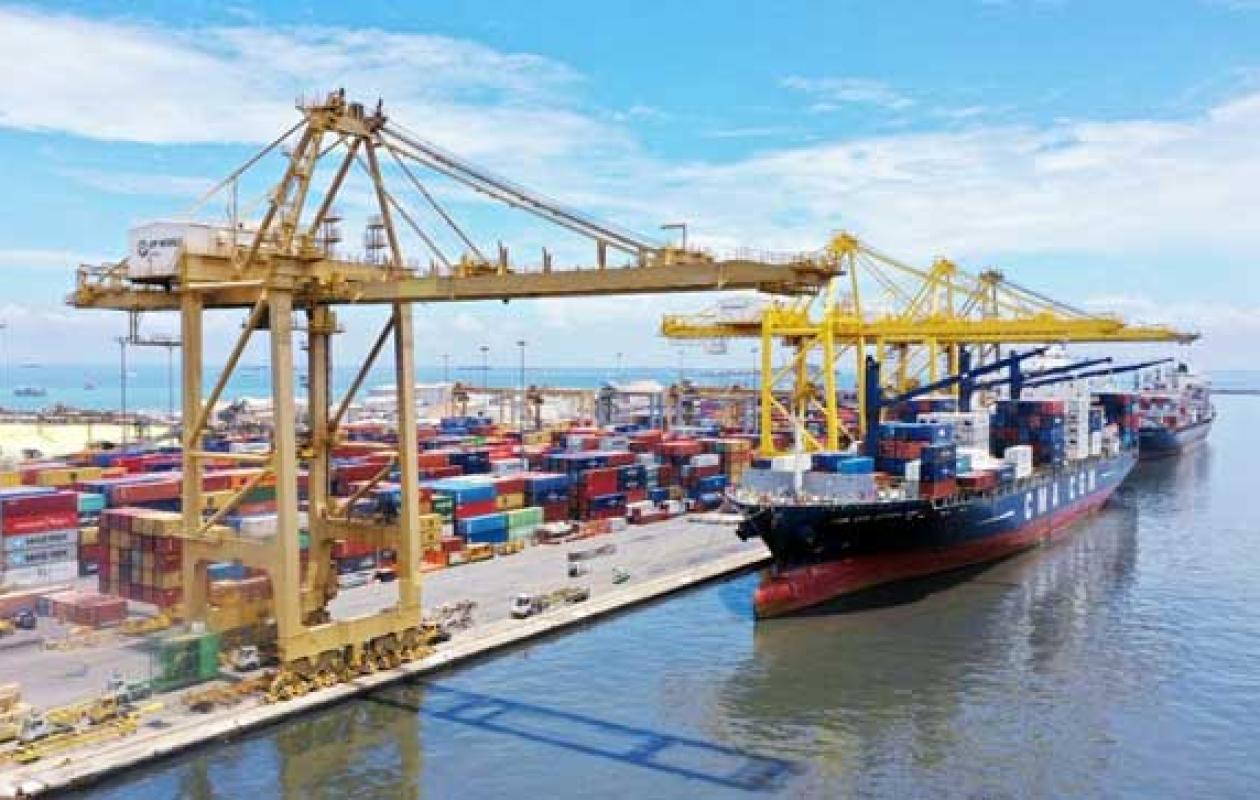
The Port of Dakar handled over 23 million tons of goods in 2024, compared to approximately 17 million tons a decade earlier. A significant portion of this traffic is destined for Mali via the Dakar-Bamako corridor. Transit is therefore a crucial activity for carriers, freight forwarders, banks, insurers, and customs authorities.
The same dynamic is evident in Lomé. The Port of Lomé has exceeded 30 million tons of annual traffic and has established itself as one of the main transshipment hubs on the West African coast. For Togo, whose domestic market remains relatively small, this logistics function carries significant weight in the national economy.
In Benin, the Port of Cotonou remains heavily reliant on re-export trade with Nigeria. For years, a significant portion of imports of used vehicles, rice, and manufactured goods transited through Cotonou before being redistributed to the Nigerian market. When Abuja temporarily closed its land borders in 2019, the impact on Beninese activity was immediate, revealing the port's heavy dependence on this transit economy.
This organization generates very real revenue. Customs duties still account for between 30% and 50% of tax revenue in several countries of the sub-region. Port services, road transport, warehousing, handling, and insurance also support a significant portion of urban employment.
But the wealth created is not of the same nature as that generated by industry. Re-exporting a container or taxing an imported product does not generate the same added value as processing cocoa, refining hydrocarbons, or producing construction materials locally. A large part of the value chain remains captured elsewhere, where the goods are designed and manufactured.
The contrast is clearly evident in industrial data. In sub-Saharan Africa, the share of manufacturing rarely exceeds 10% of GDP in many countries, compared to over 20% in several Asian economies. In Senegal, manufacturing represents approximately 13% of GDP, while trade and services play a much larger role in growth.
The Ndayane port project clearly illustrates this question. Its development is intended to strengthen Senegal's position as a major regional logistics hub. But behind this port ambition lies a deeper question: Does the country primarily want to accelerate the movement of goods, or also capture a larger share of their processing locally?
Being a commercial hub brings quick revenue and a strategic position in the region. Building a productive base requires more time, investment, and industrial continuity. It is often in this gap that the difference lies between temporary growth and sustainable economic transformation.






















Commentaires (1)
Participer à la Discussion
Règles de la communauté :
💡 Astuce : Utilisez des emojis depuis votre téléphone ou le module emoji ci-dessous. Cliquez sur GIF pour ajouter un GIF animé. Collez un lien X/Twitter, TikTok ou Instagram pour l'afficher automatiquement.