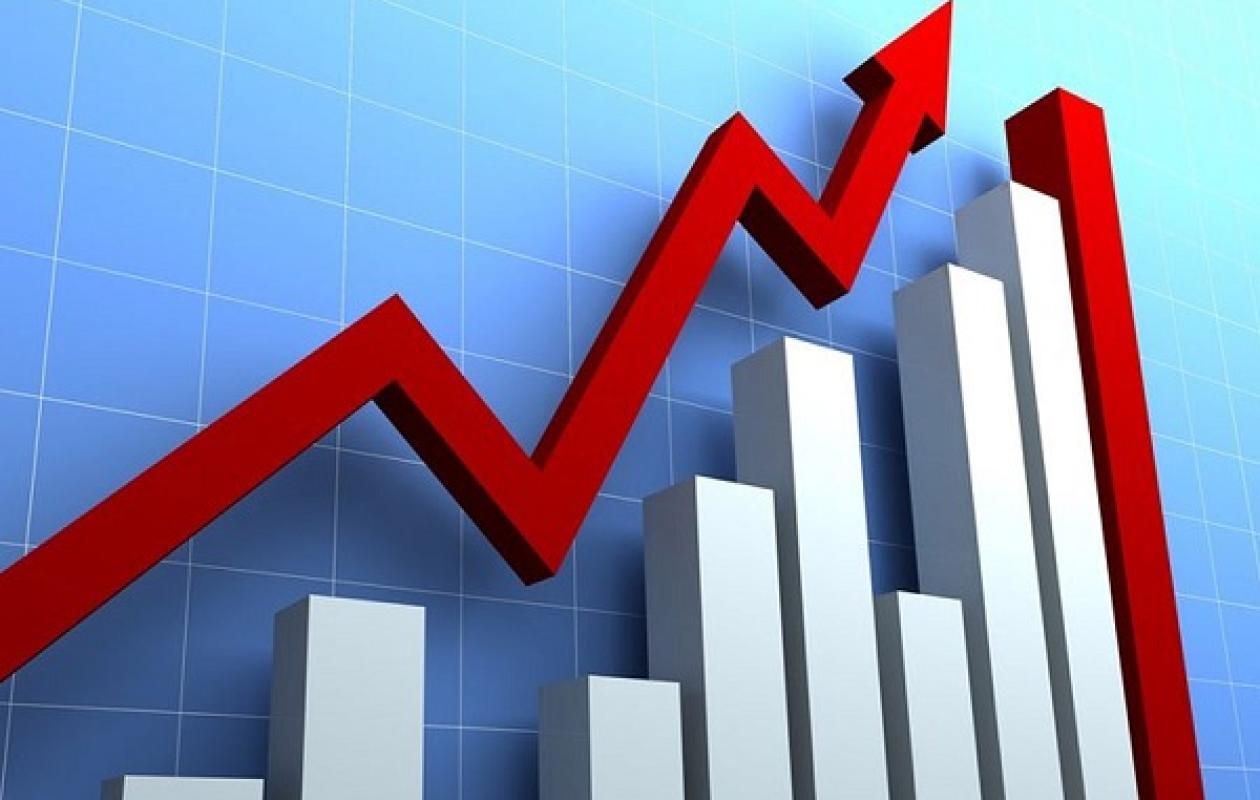
Croissance sans progrès social, l’illusion des chiffres flatteurs
In public debate, the terms growth and development are often used as if they referred to the same thing. However, they describe two distinct dimensions of a country's economic trajectory. Growth corresponds to the increase in gross domestic product, that is, the value of goods and services produced over a given period. Development, on the other hand, refers to the tangible improvement of living conditions, access to education, healthcare, decent employment, and a more equitable distribution of wealth.
African economies offer numerous examples of this disconnect. According to the World Bank, sub-Saharan Africa experienced average annual growth of around 4% between 2000 and 2014, with peaks exceeding 6% in several commodity-exporting countries. Yet, the extreme poverty rate in the region remains one of the highest in the world, at around 38% in 2022 according to the institution's latest estimates. Increased production has not automatically transformed social structures or reduced income inequality.
This situation is partly explained by the very nature of growth. When it relies on capital-intensive sectors such as hydrocarbons or mining, it generates few direct jobs and its benefits are poorly distributed throughout the rest of the economy. Gross domestic product can then grow rapidly while formal employment, the quality of public services, and social mobility stagnate. The wealth created becomes concentrated in certain segments without sustainably benefiting the whole of society.
The United Nations Development Programme (UNDP), through its Human Development Index, reminds us that income is only one component of progress. Life expectancy, education levels, and access to essential services are equally important in assessing collective well-being. A country can show rising per capita income while suffering from significant regional inequalities, a fragile healthcare system, or massive youth unemployment. In this case, growth remains merely an accounting figure, without tangible benefits for a large segment of the population.
The confusion persists also because growth is easier to measure and communicate. An annual rate of 5% is immediately apparent and allows for quick international comparisons. Development, on the other hand, requires a more nuanced analysis, both qualitative and quantitative. It raises questions about the quality of public spending, governance, and the capacity to transform natural resources into human and productive capital.
Clearly distinguishing between these two concepts does not imply opposing one to the other. Growth remains necessary to expand budgetary resources and finance social policies. But it is not an end in itself. Without a focus on productive diversification, employment, and reducing inequality, it can even exacerbate existing imbalances. The challenge, therefore, is not simply to produce more, but to produce better and distribute the fruits of economic activity more equitably.




















Commentaires (8)
Participer à la Discussion
Règles de la communauté
💡 Astuce : Utilisez des emojis depuis votre téléphone ou le module emoji ci-dessous. Cliquez sur GIF pour ajouter un GIF animé. Collez un lien X/Twitter, TikTok ou Instagram pour l'afficher automatiquement.
Se connecter
Commentez avec votre profil, votre photo, et soyez averti des réponses.