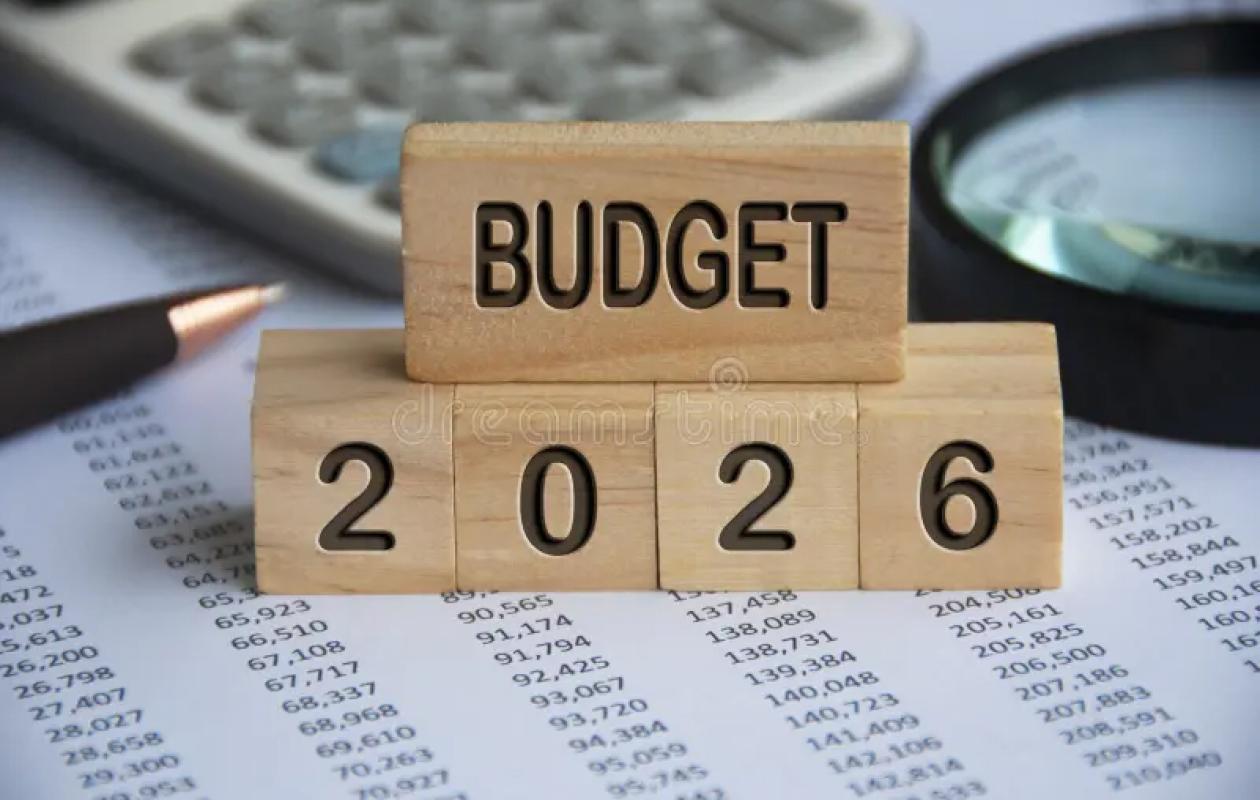
Derrière chaque dépense publique, un autre projet laissé de côté
A public budget is never simply the sum of expenditures. Every decision involves a trade-off. When a government allocates more resources to a highway, a power plant, or a wage increase, it automatically reduces the resources available for other priorities. This is what economists call opportunity cost.
Opportunity cost represents what is forgone when a choice is made. In public finance, this is not only about how much an expenditure costs, but also what it prevents from being funded elsewhere.
When a government decides to allocate several hundred billion CFA francs to an infrastructure project, this sum cannot be used to build schools, recruit healthcare personnel, or strengthen social safety nets. Conversely, a significant increase in social spending can limit the available resources for roads, energy, or productive investments.
This logic is particularly evident in countries where public resources are limited. In Senegal, as in other economies in the region, tax revenues, external subsidies, and debt are insufficient to meet all needs simultaneously. Governments must therefore prioritize their needs.
The opportunity cost becomes even more significant when debt servicing increases sharply. Every franc spent on interest payments is a franc that could be used to fund a hospital, a school, or a road. The larger the debt becomes in the budget, the more difficult the trade-offs become.
Security spending also illustrates this phenomenon. Faced with security risks, several African states have increased their military and defense budgets in recent years. While these choices may be necessary, they reduce the resources available for other sectors.
Opportunity cost does not mean that an expenditure is inherently bad. A road, a university, or a power plant may be essential. But understanding this concept helps us better appreciate that no budgetary decision is neutral. Every priority chosen implies that another will be postponed, reduced, or abandoned.
This reality explains why budget debates are often so sensitive. Behind every line of expenditure lies another unmet need. In an environment of limited resources, governing also means choosing what not to fund.






















Commentaires (3)
Participer à la Discussion
Règles de la communauté
💡 Astuce : Utilisez des emojis depuis votre téléphone ou le module emoji ci-dessous. Cliquez sur GIF pour ajouter un GIF animé. Collez un lien X/Twitter, TikTok ou Instagram pour l'afficher automatiquement.
Se connecter
Commentez avec votre profil, votre photo, et soyez averti des réponses.