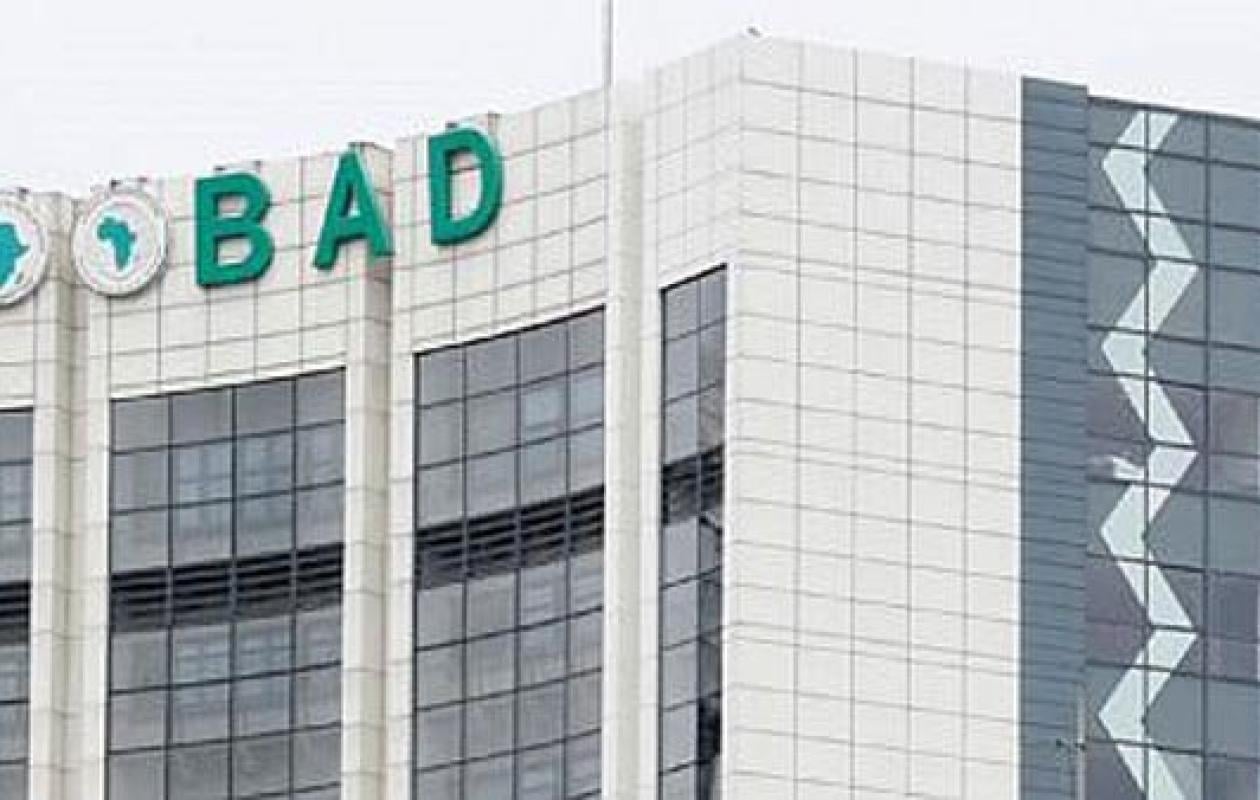
Dialogue consultatif BAD — Architecture financière africaine, Abidjan 2026
On April 9, 2026, Abidjan will host a consultative dialogue on the new African financial architecture, under the patronage of Alassane Ouattara and chaired by Sidi Ould Tah. Organized by the African Development Bank Group, this meeting will bring together banks, sovereign wealth funds, insurance companies, financial markets, institutional investors, and public officials around a shared observation: the continent does not lack money, but it struggles to organize and effectively allocate its resources.
According to the African Development Bank, Africa has nearly $4 trillion in domestic savings, distributed among foreign exchange reserves, pension funds, insurance companies, commercial banks, and household assets. However, a large portion of these savings remains largely untapped to finance infrastructure, industry, agriculture, or the energy transition.
At the same time, the annual development financing gap is estimated at over $400 billion. The needs are considerable in areas such as roads, electricity, housing, digital networks, healthcare, and climate adaptation. Lacking sufficiently effective mechanisms to channel savings toward these priorities, African states remain heavily dependent on external donors, Eurobonds, and multilateral loans.
One of the main problems lies in the fragmentation of the African financial system. Banks primarily finance short-term needs, financial markets remain shallow, pension funds invest cautiously, and insurance companies often favor liquid or real estate assets. As a result, available savings exist, but they do not easily flow towards long-term projects.
The Abidjan dialogue is specifically designed to bring these different actors closer together. The idea is to create more common platforms, risk-sharing mechanisms, and investment vehicles capable of mobilizing both public and private capital. Sovereign wealth funds, development banks, institutional investors, and financial markets could then intervene in a more coordinated manner.
The AfDB also wants to encourage financing in local currencies to reduce exposure to exchange rate risk. A large proportion of African projects continue to be financed in dollars or euros, making countries more vulnerable to currency fluctuations. Developing regional instruments in local currencies would strengthen the continent's financial resilience.
This meeting is expected to lead to the adoption of an "Abidjan Consensus," intended to serve as a roadmap for the coming years. The objective is to move from a simple diagnosis to concrete actions, with pilot projects, common financing tools, and better coordination between institutions.
The stakes are considerable. As long as Africa fails to make better use of its own savings, it will continue to depend on more expensive and volatile external financing. Behind this technical debate, therefore, lies a question of financial sovereignty.





















Commentaires (1)
Participer à la Discussion
Règles de la communauté :
💡 Astuce : Utilisez des emojis depuis votre téléphone ou le module emoji ci-dessous. Cliquez sur GIF pour ajouter un GIF animé. Collez un lien X/Twitter, TikTok ou Instagram pour l'afficher automatiquement.