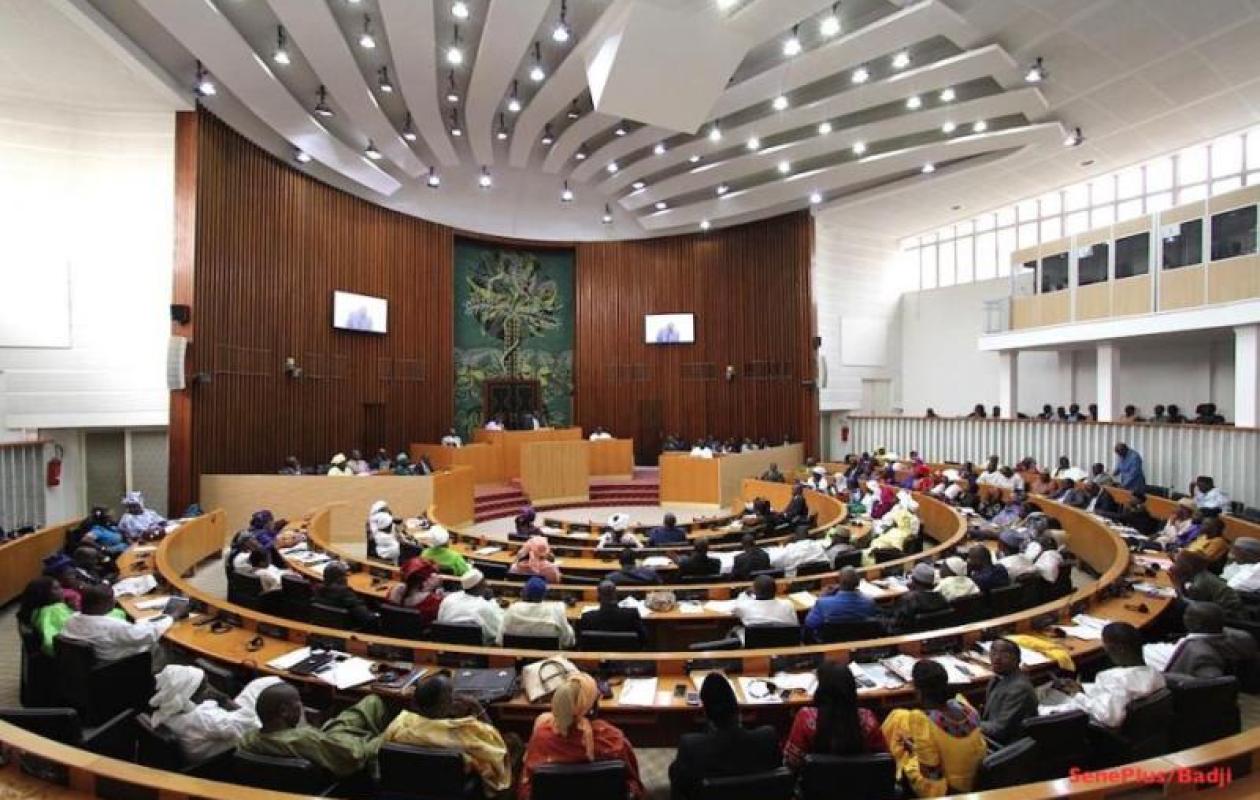
Hydrocarbures, SAR et Senelec : Les vives préoccupations des Députés sur l’energie
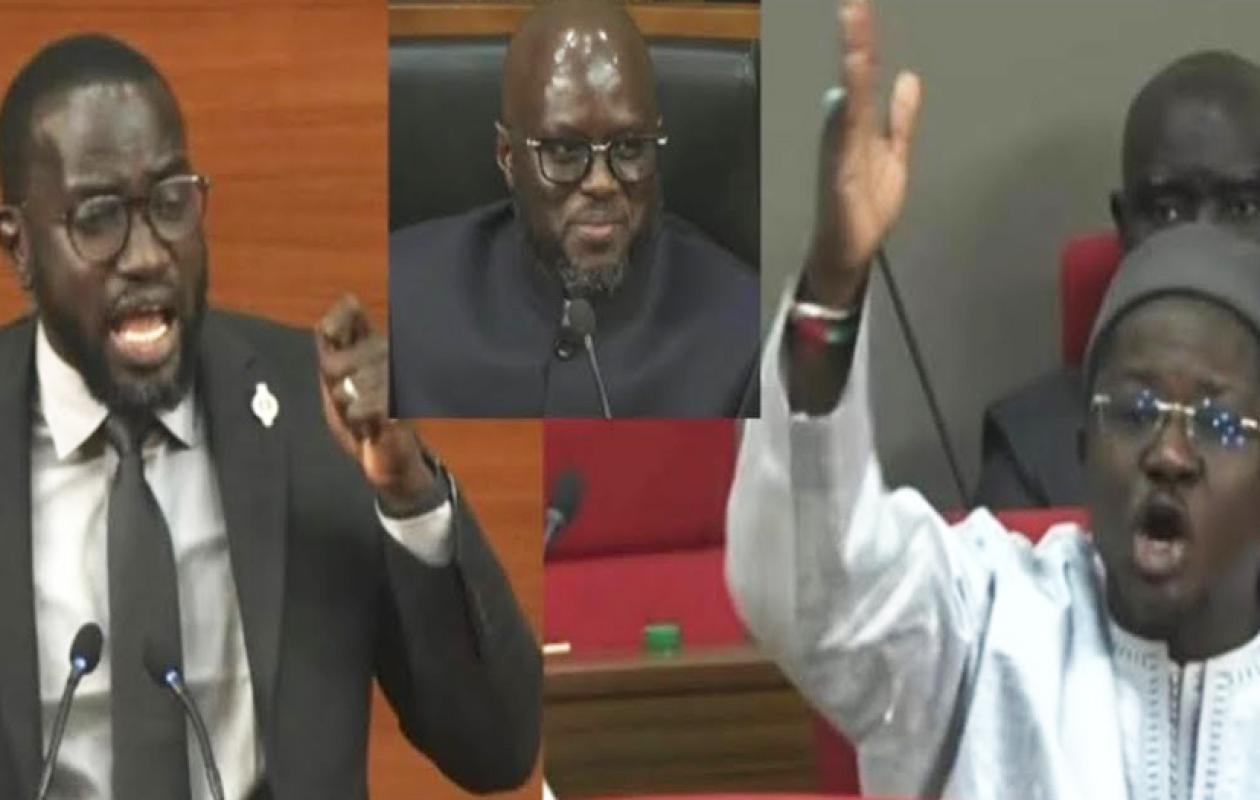
Energy issues sparked discussions during the parliamentary committee's review of the Ministry of Energy, Petroleum and Mines' budget. From hydrocarbons to electricity, including the African Refining Company (SAR), Senelec (the national electricity company), and rural electrification, several major concerns were raised, revealing persistent worries about energy sovereignty, transparency, and household purchasing power.
The SAR at the heart of the debate
The role and future of the African Refining Company (SAR) are central to the discussions. Members of Parliament have formulated several clear demands, including the lifting of the suspension of the support margin granted to SAR, the settlement of the State's debts to the company, greater involvement of SAR in hydrocarbon imports, and clarifications on the “SAR 2.0” project, presented as a lever for modernization and capacity expansion.
Beyond these immediate demands, a question was raised: does Senegal have the capacity to refine all of its oil production domestically? Some parliamentarians also mentioned the possibility of creating a national company dedicated to exploration and production, in order to strengthen the country's sovereignty in the hydrocarbon sector.
Local content, environment and transition
Energy. The debates also focused on the management of major oil and gas projects, notably GTA and Sangomar. Elected officials called for greater transparency regarding the actual share of local content in these projects, the level of real involvement of Senegalese companies, support for SMEs and SMIs in the renewable energy sector, and training for young people in oil, gas, and solar energy professions. Parliamentarians emphasized strict adherence to environmental standards, particularly for offshore activities, while warning of the well-known risk of the “oil curse.” They advocated for rigorous, transparent, and sustainable management of the country’s natural resources.
Senelec and Woyofal under fire
On the electricity front, Senelec (the national electricity company) was not spared criticism. Members of Parliament denounced the extent of electricity fraud, the limited real impact of cost-saving measures on bills, and the numerous complaints related to the Woyofal system, deemed too expensive for households. They called for consumers to be able to freely choose their payment method (prepaid or postpaid), as well as the establishment of a single point of contact to facilitate and expedite subscription procedures. Finally, the situation in rural areas, particularly in the Bakel department, was described as urgent. The elected officials demanded the rapid commissioning of the high-voltage line to meet the pressing needs of the population for access to electricity, a crucial factor for economic and social development.













Commentaires (0)
Participer à la Discussion
Règles de la communauté :
💡 Astuce : Utilisez des emojis depuis votre téléphone ou le module emoji ci-dessous. Cliquez sur GIF pour ajouter un GIF animé. Collez un lien X/Twitter, TikTok ou Instagram pour l'afficher automatiquement.