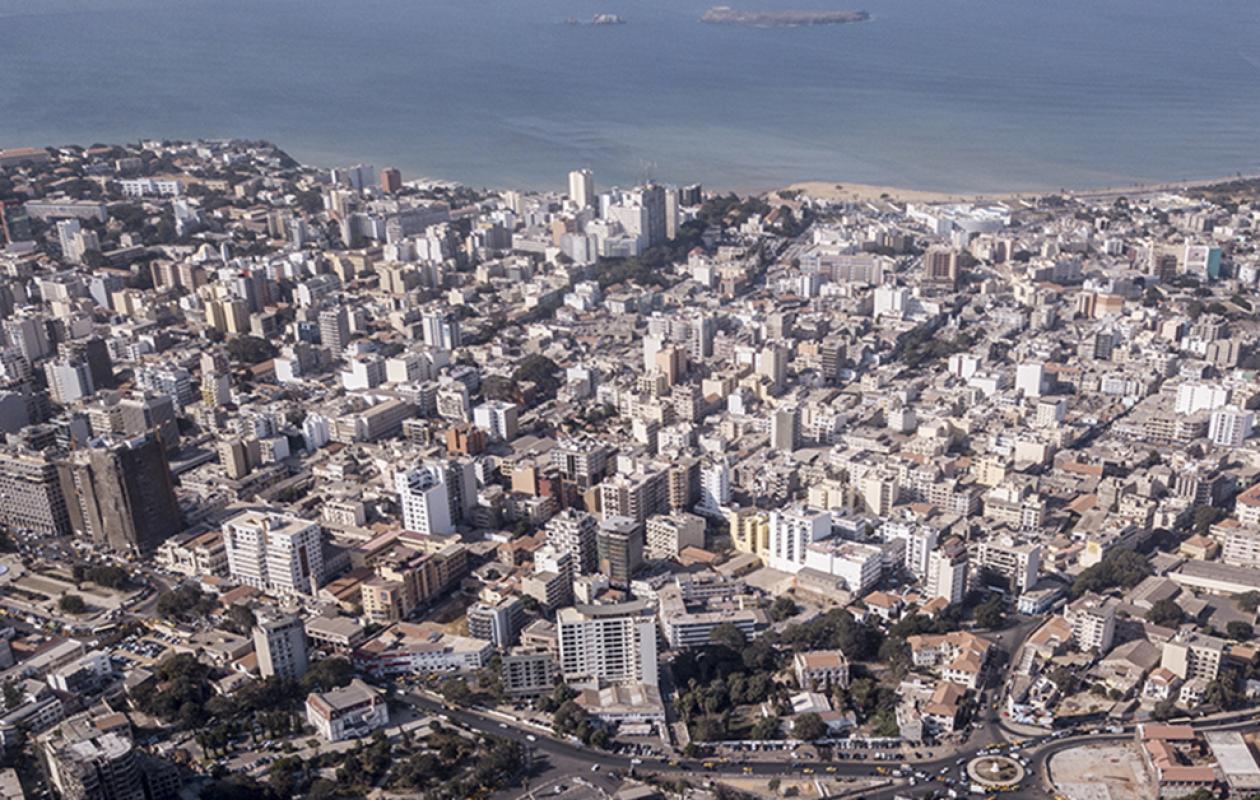
Urbanisation : Grandir trop vite, le vrai risque des villes africaines
Rapid urban growth is one of the major economic phenomena observed in Senegal over the past few decades. Urbanization accompanies the transformation of economic activities, the development of services, and the expansion of trade. It fosters the concentration of the workforce, the emergence of new markets, and the growth of industrial and commercial activities. In many economies, this urban dynamic is associated with increased productivity and accelerated growth.
According to World Bank data, over 48% of Senegal's population now lives in urban areas, compared to less than 40% in the early 2000s. Dakar alone concentrates a significant portion of the national economic activity, with a high proportion of formal jobs, businesses, and administrative infrastructure. This concentration can foster economies of scale, facilitate access to services, and stimulate innovation.
However, the speed of urbanization often outpaces the planning capacity of public authorities. Population growth, rural exodus, and land speculation contribute to a rapid increase in housing costs, particularly in the Dakar region. Low-income households are gradually being pushed to the outskirts, where access to transportation, basic services, and employment remains more difficult.
Urban infrastructure is also struggling to keep pace with urban expansion. The need for roads, water networks, sanitation, and public transportation is increasing rapidly, while the necessary investments are substantial. Mobility difficulties in the Dakar metropolitan area illustrate the economic consequences of poorly planned urban development, resulting in significant time losses for workers and additional costs for businesses.
Rapid urbanization also alters social balances. The rising cost of living in cities, combined with the precarious nature of many informal jobs, puts a portion of urban households at risk. This situation can exacerbate territorial inequalities between urban centers and peripheral areas, but also within cities themselves.
However, urban growth remains a key component of economic development. Cities concentrate universities, infrastructure, financial services, and industrial activities. When accompanied by effective planning, urbanization can foster job creation, innovation, and economic diversification.
The challenge, therefore, lies not in slowing down urbanization, but in controlling it. Land-use planning, housing policy, the development of public transport, and the decentralization of economic activities appear to be necessary conditions for urban growth to translate into sustainable economic and social progress.





















Commentaires (1)
Participer à la Discussion
Règles de la communauté :
💡 Astuce : Utilisez des emojis depuis votre téléphone ou le module emoji ci-dessous. Cliquez sur GIF pour ajouter un GIF animé. Collez un lien X/Twitter, TikTok ou Instagram pour l'afficher automatiquement.