Comment la guerre contre l’Ukraine met à mal l'économie russe
The cost of the war of aggression against Ukraine and international sanctions are exhausting the Russian economy, which is experiencing stagflation and risks recession.
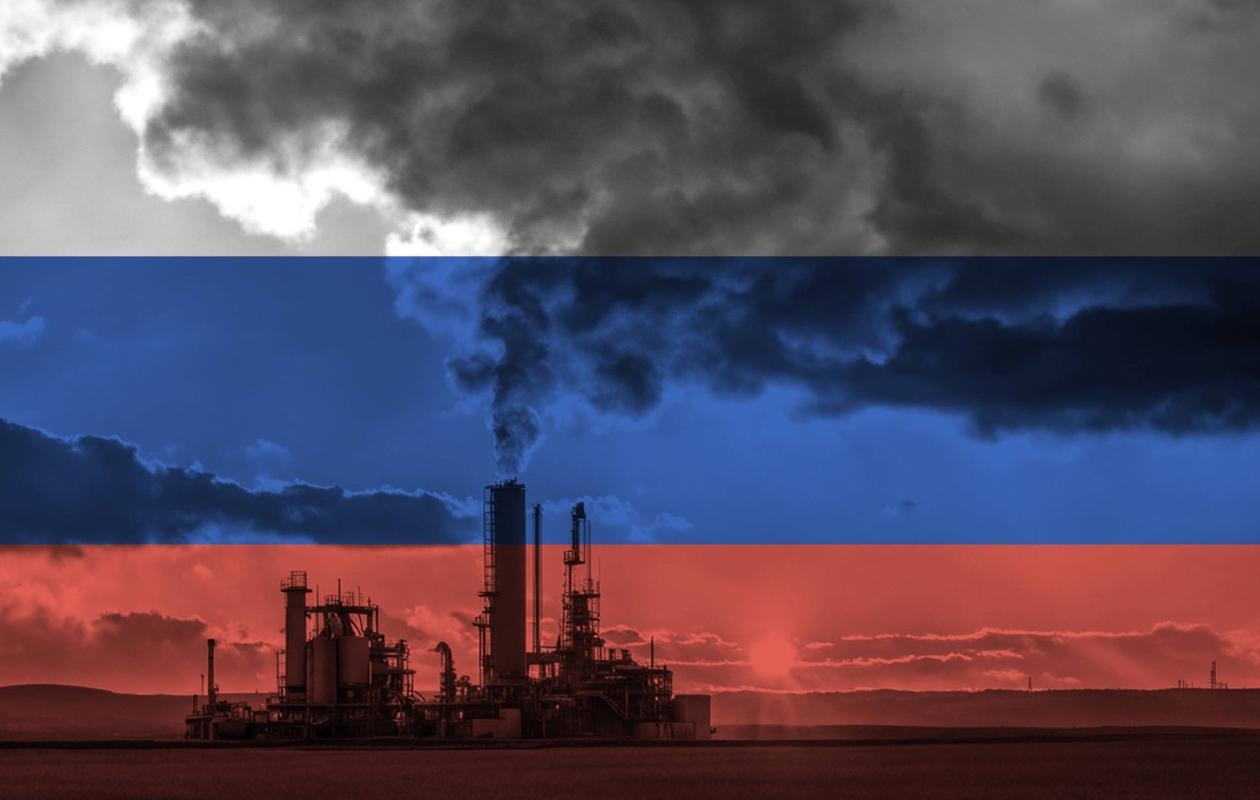
Natural gas drilling installation with Russian flag superimposed.
Oil and gas exports hampered by sanctions accounted for 40% of Russian state revenue.
After eleven years of war against Ukraine, the Russian authorities' denials about the country's economic difficulties no longer hold water. Several official bodies now acknowledge that several economic indicators are deteriorating.
In a video, influencer Xavier Tytelman, who follows the evolution of the conflict between Russia and Ukraine, compiled data from international economic organizations and Russian websites that illustrate the scale of the economic crisis brewing in Russia. Here it is.
Classified as an "emerging economy" by the International Monetary Fund (IMF), Russia, with a projected growth of 0.6% next year, according to the IMF, lags far behind other developing countries, which average around 4%. The Russian Federation's gross domestic product is thus lower this year than that of Bulgaria.
An economy that depends on oil
Russia is heavily dependent on the exploitation of its oil and gas resources, which represent a fifth of its wealth and, before the war, constituted 40% of federal government revenue. However, despite ghost tankers and diverted export channels, Russia is seeing this windfall largely evaporate under the effect of international sanctions, which already total 18 "packages" of measures.
On November 21, US sanctions against Lukoil and Rosneft, two Russian oil giants, further increased pressure on Moscow and the countries in Eastern Europe that rely on these supplies. Moreover, the Ukrainian command's targeting of Russian oil and gas facilities created gasoline shortages in some regions, prompting the Kremlin to ban gasoline exports until last October.
The decline in export revenues from fossil fuels, but also the decline in the results of Russian companies, are undermining the Kremlin's revenues, which today devotes 40% of its budget to the war effort, an overall budget which has increased from 35,000 billion francs to 40,000 billion francs this year.
Deteriorating public finances
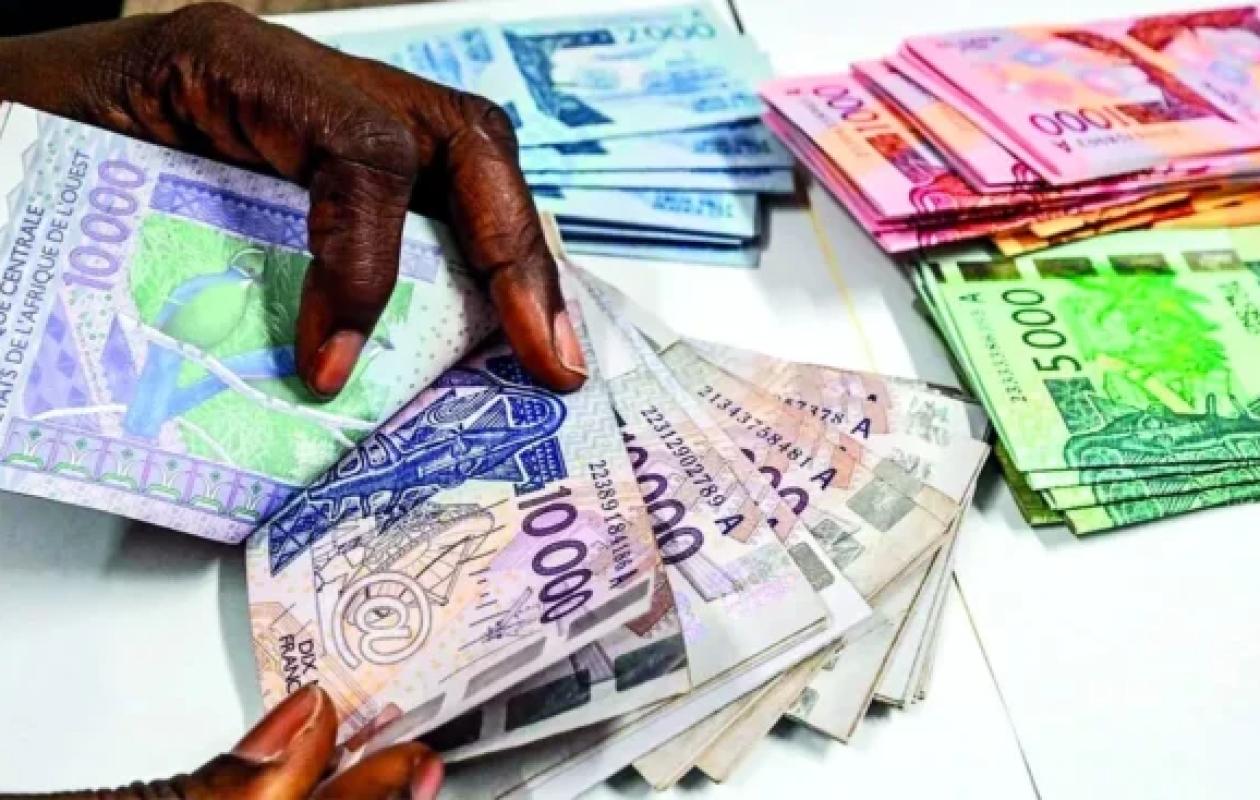
The decline in revenue and the increase in spending have also severely damaged Russia's public finances. To maintain its purchasing power, the state has resorted to printing money, causing inflation to rise by more than 40% in four years and a 10% drop in the ruble's value. As a result, the Russian Central Bank has set its key interest rate at 16.5% on issued debt, pushing borrowing costs for Russian businesses and households to a level that discourages much investment.
In this context, the Kremlin's tax hikes are further weakening the country's production base. More than 140,000 businesses went bankrupt in the first half of 2025. A third of these businesses are reportedly operating at a loss, according to the Russian statistical institute. The country's second-largest bank (VTB) is struggling due to a surge in non-performing loans, raising the possibility of a major financial crisis.
At the St. Petersburg International Economic Forum, the governor of the Russian Central Bank, Elvira Nabiullina, echoed Economy Minister Maxim Reshetnikov's assessment that the country's economy is on the verge of recession. This raises questions about the continuation of Putin's war, which increasingly resembles a race toward disaster for both Russia and Ukraine.













Commentaires (6)
Il serait exact de titrer: "Comment la guerre contre l'Ukraine mène l'Europe vers la banqueroute.
Participer à la Discussion
Règles de la communauté :
💡 Astuce : Utilisez des emojis depuis votre téléphone ou le module emoji ci-dessous. Cliquez sur GIF pour ajouter un GIF animé. Collez un lien X/Twitter, TikTok ou Instagram pour l'afficher automatiquement.