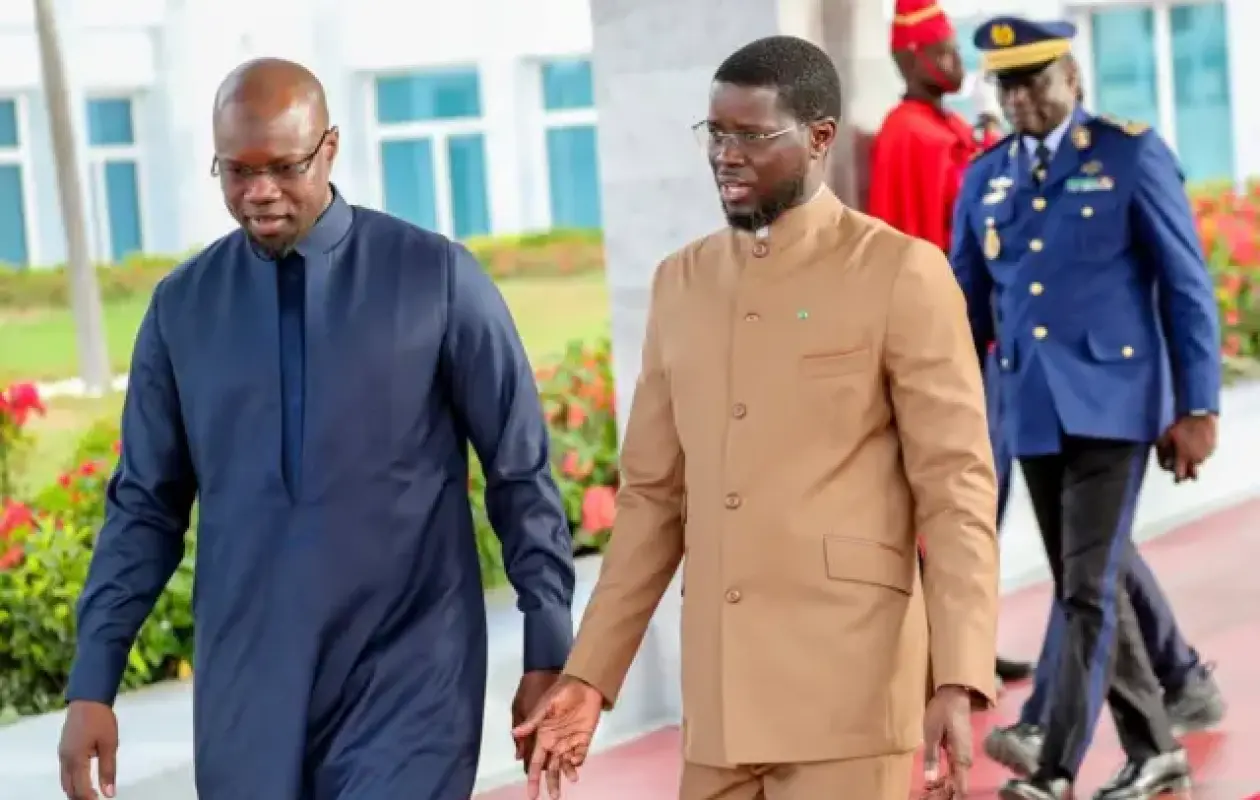
Crise Diomaye Faye-Ousmane Sonko : pourquoi ce n’est ni Senghor-Dia (1962) ni Wade-Idy (2004)
The current tensions between President Bassirou Diomaye Faye and Prime Minister Ousmane Sonko inevitably bring to mind certain historical duos in Senegalese politics: Senghor-Dia (1962) and Wade-Idy (2004). However, experts interviewed by L'Observateur highlight significant differences.
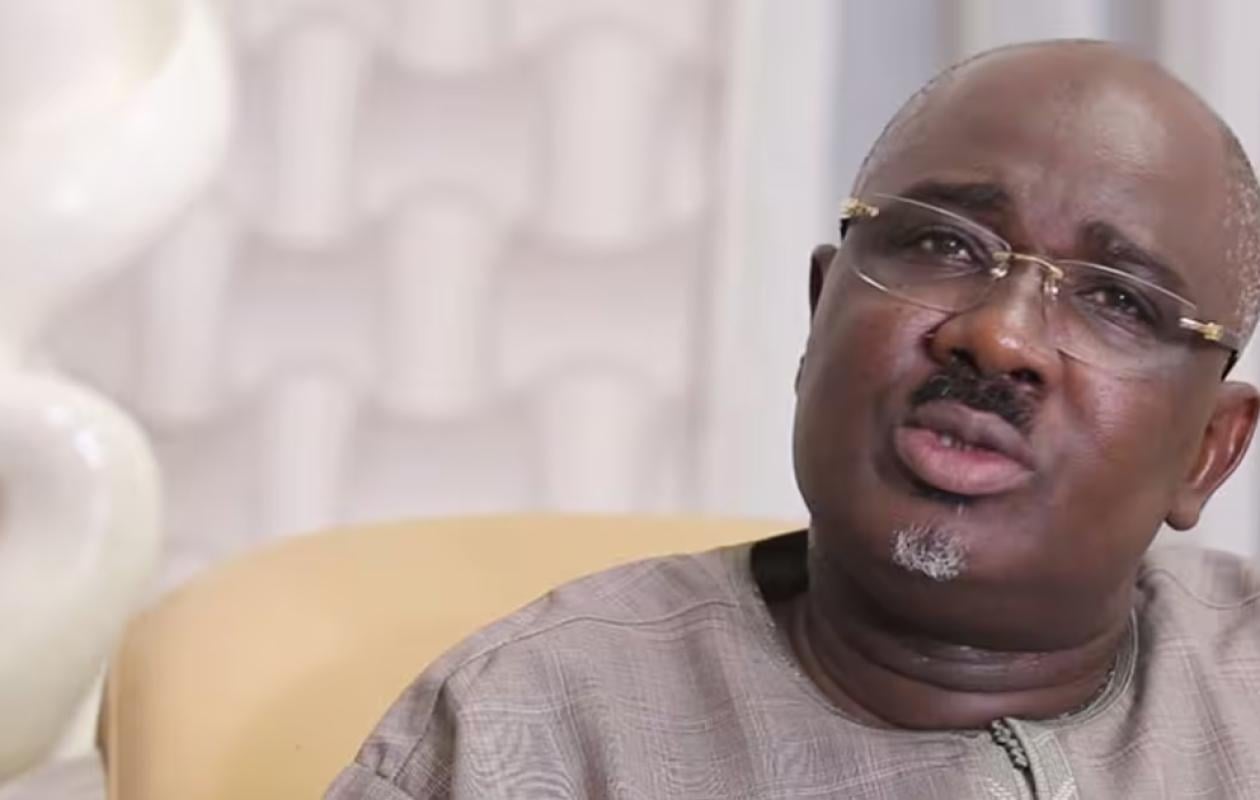
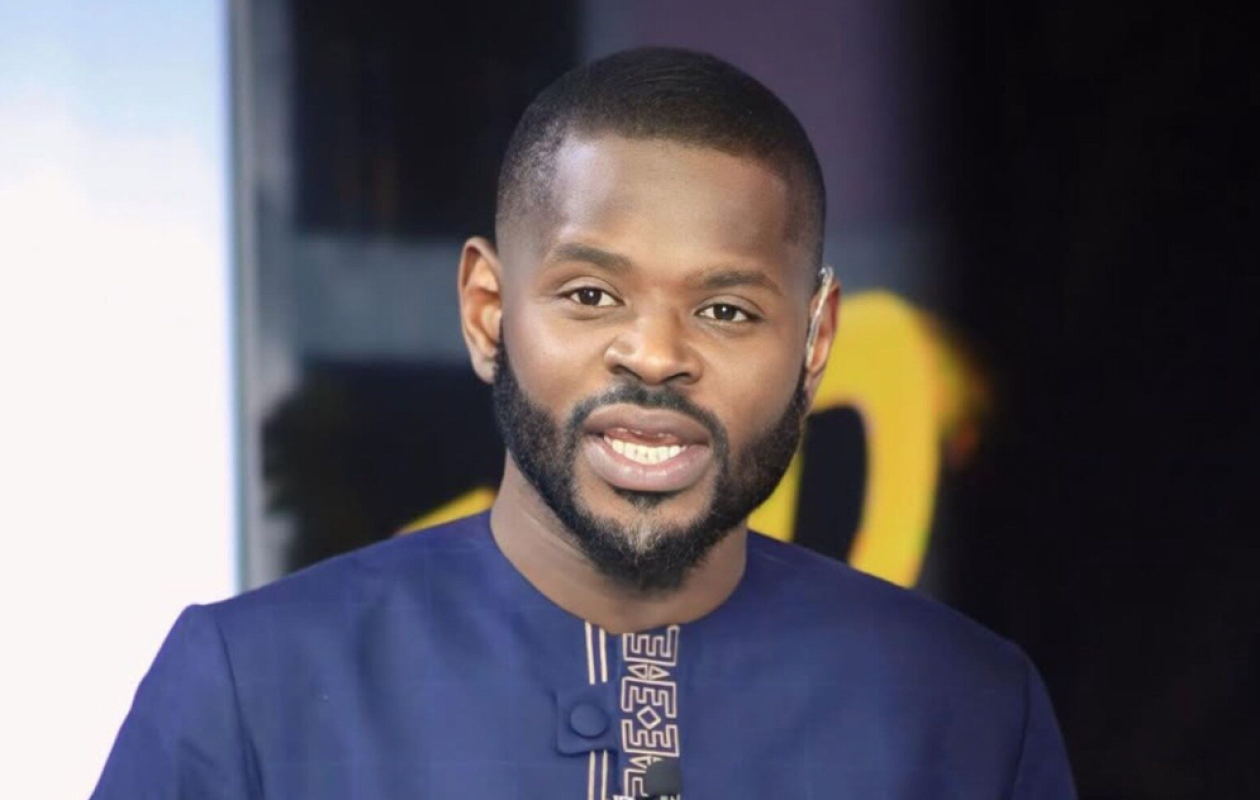
The Wade-Idy case (2004) : according to Dr. Demba Guèye, political analyst and lecturer in discourse analysis, this comparison is not relevant, because Idrissa Seck was not the head of the parliamentary majority like Ousmane Sonko is today.
The Senghor-Dia case (1962) : Dr. Guèye sees a greater affinity, but points out that at the time, Mamadou Dia held office under a semi-presidential system and wielded powers almost equivalent to those of President Léopold Sédar Senghor. Today, the hyper-presidential system considerably weakens Sonko's position compared to Dia's. In his view, Diomaye Faye clearly holds the institutional advantage.
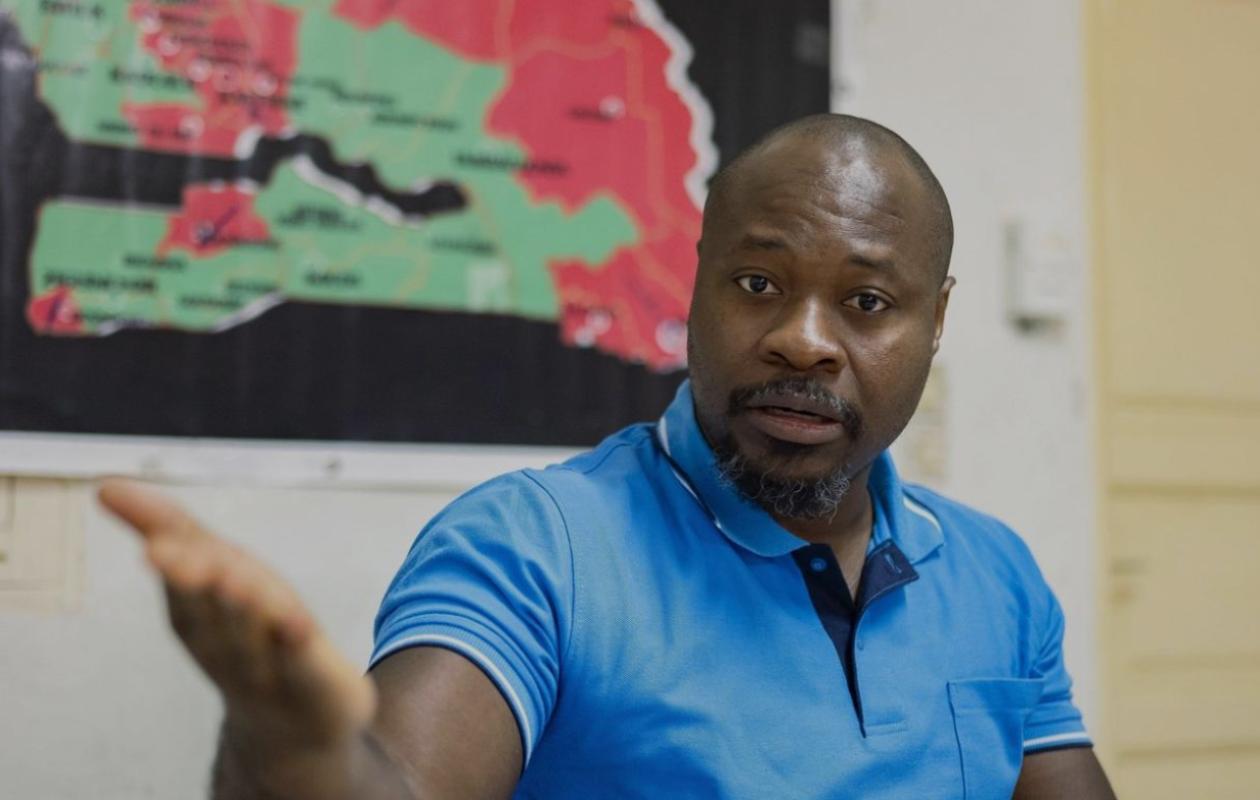
The nature of the current crisis : for journalist and political analyst Assane Samb, the conflict is defined as a "rivalry of ego and legitimacy," stemming from the idea that Ousmane Sonko considers himself the principal architect of Diomaye Faye's election. Past crises, on the other hand, were often based on ideological rivalries, concludes the interviewee for the Groupe Futurs Médias daily newspaper.














Commentaires (12)
Dans un régime présidentiel personne ne fait le poids face au président à part au moment des élections.
Participer à la Discussion
Règles de la communauté :
💡 Astuce : Utilisez des emojis depuis votre téléphone ou le module emoji ci-dessous. Cliquez sur GIF pour ajouter un GIF animé. Collez un lien X/Twitter, TikTok ou Instagram pour l'afficher automatiquement.