
Code électoral : Vers la fin des articles L29 et L30, "Loi Sonko" ou réforme nécessaire ?
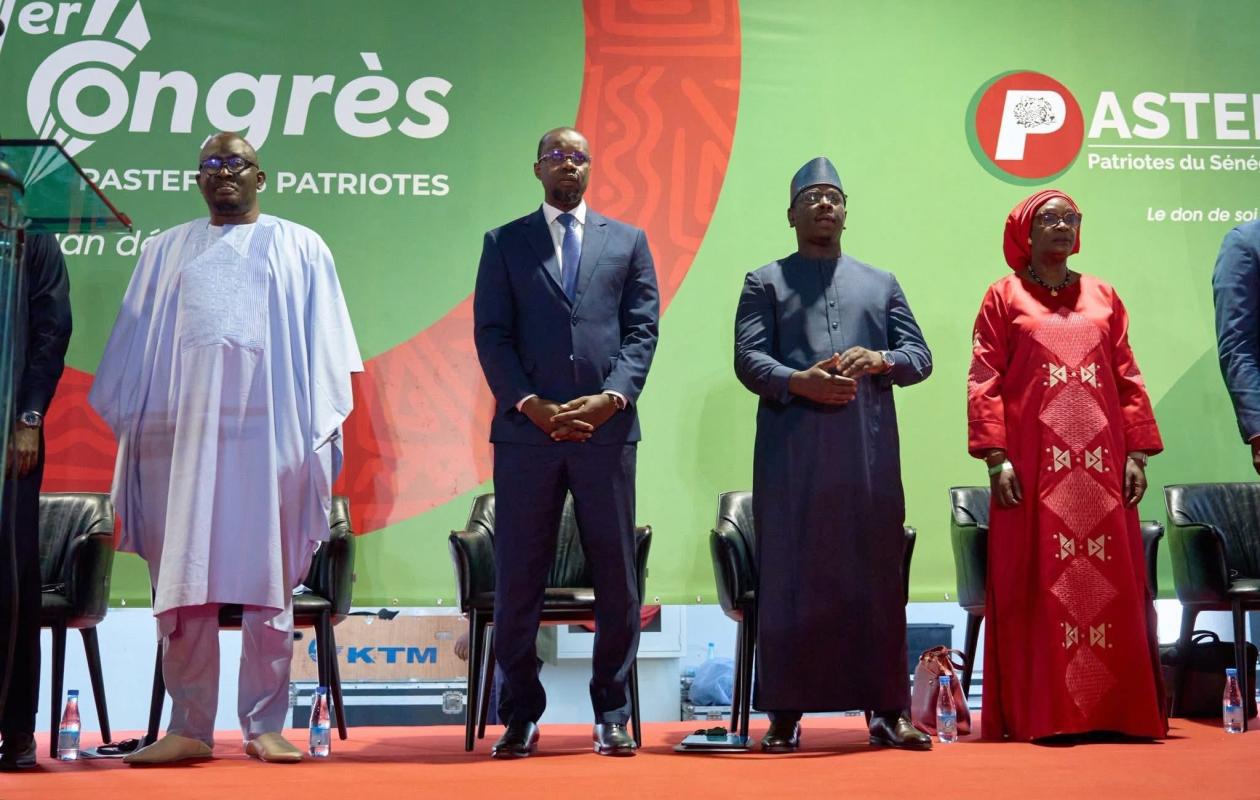
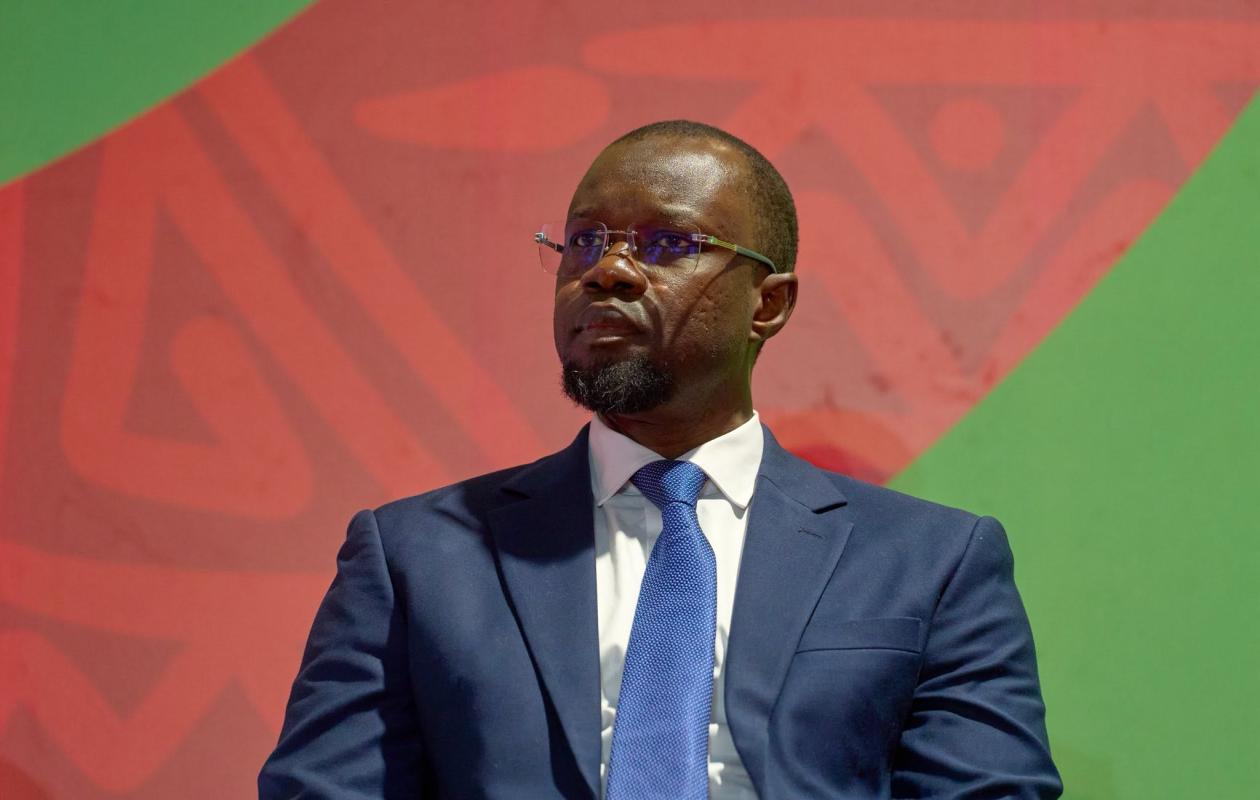
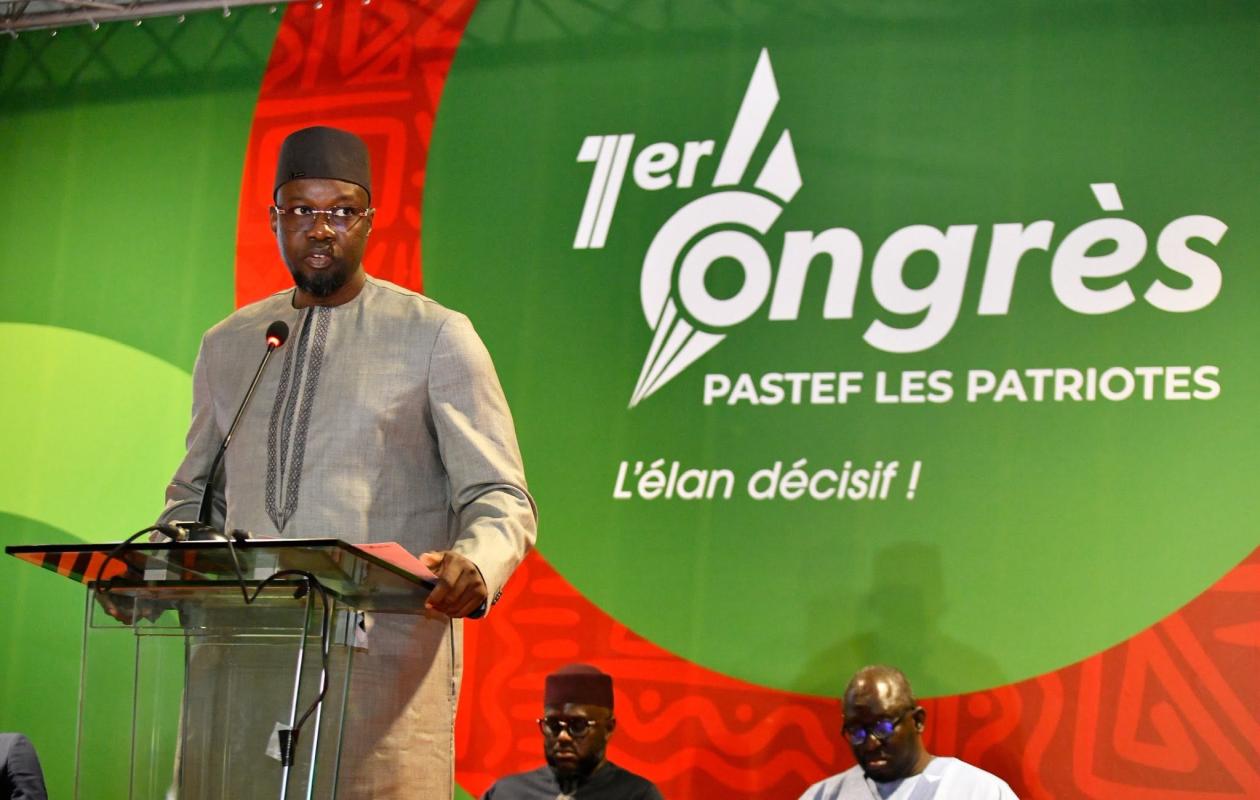
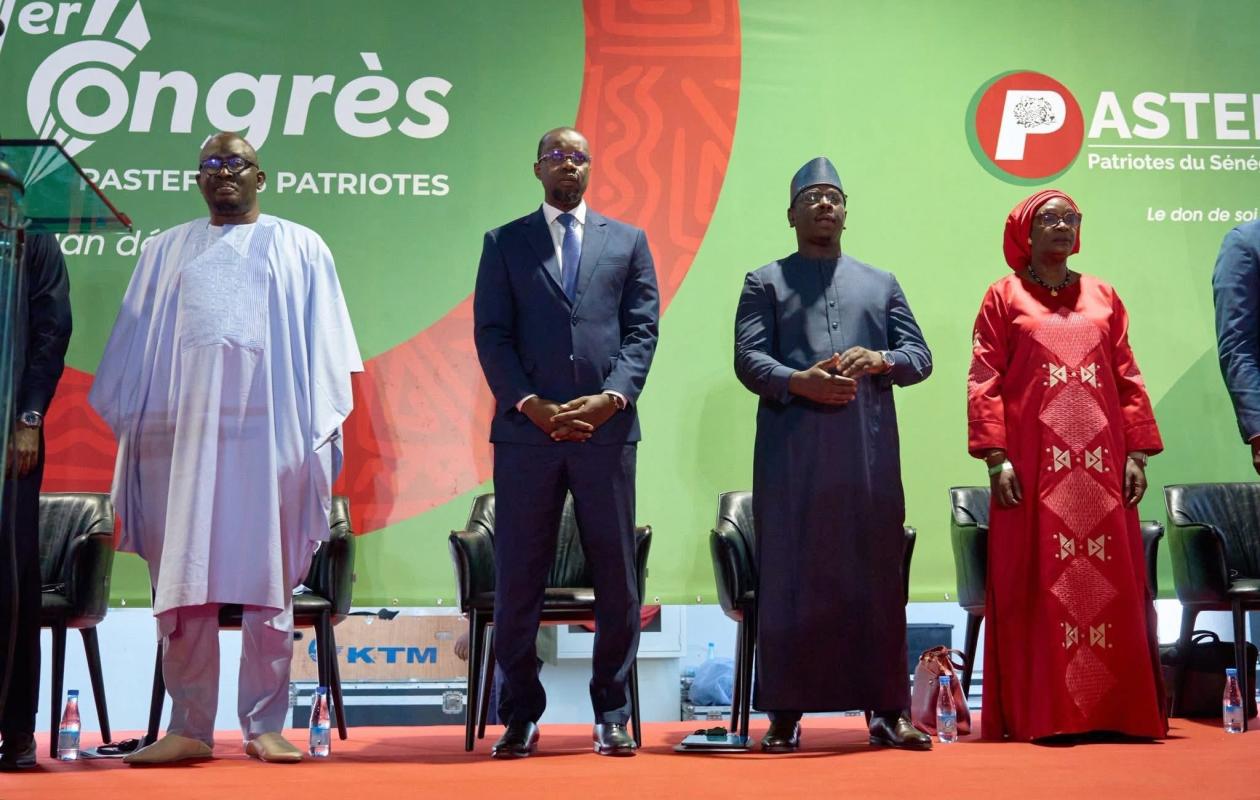
Between the need to "humanize electoral sanctions," accusations of a "law of circumstance," and attempts to force through changes to the rules of the game, the proposed amendment to Articles L29 and L30 of the Electoral Code, put forward by the Pastef parliamentary group, has reignited the passionate debate on ineligibility. While the opposition calls this proposal a "law for one man" (Ousmane Sonko), Pastef denies it. Between the two camps, at the heart of an intense legal and political tug-of-war, experts and civil society weigh in.
This is a text that has ignited passions both within the political establishment and beyond. By submitting a bill to amend Articles L29 and L30 of the Electoral Code amidst a power struggle at the highest level between President Bassirou Diomaye Faye and his Prime Minister Ousmane Sonko, the members of parliament from the presidential majority are not simply reforming a procedure. They are attacking the very barriers restricting the exercise of civic rights that have reshaped the Senegalese political landscape over the past decade; the very same barriers that allowed them to exclude their mentor from the presidential race in March 2024.
A legacy of history, these two articles of the Electoral Code have become a burden, as regimes, particularly that of Macky Sall, use them to exclude opponents, sometimes for minor offenses. These two provisions define the grounds for ineligibility related to criminal convictions. Article L29 excludes from electoral lists anyone sentenced to more than three months' imprisonment or more than six months' suspended sentence for certain offenses such as theft, fraud, breach of trust, corruption, and offenses related to public freedoms (such as defamation), etc.
Article L30, for its part, excludes for five years any person convicted of a fine exceeding 200,000 CFA francs for any offense. Through this proposal, the Pastef deputies aim to "eliminate gray areas" and "abusive interpretations" that could be used to exclude political opponents, to put an end to the use of "electoral incapacity" as a weapon of political exclusion, and to secure the democratic future by protecting all candidates against administrative or judicial manipulation.
In their explanatory memorandum, the Pastef parliamentarians make no secret of their ambition. They advocate for a "humanization of electoral sanctions" and compliance with international standards for the defense of civil rights.
The central argument is that ineligibility should no longer be an automatic and perpetual penalty resulting from minor offenses. The text proposes, in particular, the elimination of automatic ineligibility for certain categories of offenses, such as defamation and slander. It also seeks alignment with the model of Article L45-1 of the French Electoral Code, where it is up to the judge, and not the law alone, to decide whether a conviction should be accompanied by a deprivation of voting and eligibility rights.
Three months imprisonment, a fine of 200,000 CFA francs: thresholds from another era
Some criticize Pastef's approach, deeming it unilateral in a Senegalese political landscape where consensus is paramount. However, all observers agree on the urgent need to reform these "outdated" provisions, which no longer reflect the changing times, as evidenced by the nature of certain offenses and the penalties and fines they stipulate. The two articles at the heart of the debate have existed since 1976 (L3 and L4), notes a legal expert speaking on condition of anonymity.
According to our source, back in the Senghor era, the Senegalese legislature established these thresholds to clearly distinguish between "minor" and "serious" offenses, while also preventing an increase in penalties. However, in 2026, the disconnect between these provisions and the current context is striking. As the expert points out, 200,000 CFA francs no longer carries the same deterrent weight as it did 50 years ago. Maintaining these fixed benchmarks creates a disconnect between the law and economic reality, sometimes transforming simple press or opinion offenses into veritable political death sentences.
Furthermore, the current global context, marked by heightened civic awareness and the proliferation of social media, has made the application of these provisions more frequent and more sensitive. In other words, it is these social changes that have rendered these articles obsolete. Nevertheless, the need to redefine these offenses cannot be used as a license for defamation. Freedom of expression must not be exercised at the expense of the obligation to protect the honor of individuals.
A "Sonko Law"?
For the opposition, the diagnosis is clear. This proposal from Pastef is a "law of convenience" designed to solidify Ousmane Sonko's eligibility for upcoming elections. The timing would seem to prove it, as it comes at a time of friction at the highest levels of government. Yet, legally, the case is complex. Supporters of the ruling party point out that the amnesty law of March 2024 has already theoretically "cleaned" Sonko's criminal record. "In reality, to date, no law can prevent Ousmane Sonko from participating in an election," our source insists. But the parliamentary majority seems to want complete legal certainty by directly amending the Electoral Code.
Alioune Tine points to a "methodological sin"
Faced with this offensive, Alioune Tine, founder of AfrikaJom Center, is sounding the alarm. While he shares the principle of "inclusion," he criticizes the method. "Since 1992, all laws concerning elections must stem from a consensus," he points out, also invoking the ECOWAS protocols. For Mr. Tine, proceeding through a bill (initiated by members of parliament) instead of a draft law (initiated by the president after dialogue) is a strategic error. He recommends waiting for a comprehensive text put forward by the executive branch to preserve the "pact of trust."
A democracy of consensus or of the majority?
In reality, this debate raises a fundamental question. Should we maintain articles perceived as weapons of mass disqualification? If the reform passes, it will mark the end of an era when a simple fine for defamation could derail a presidential campaign. But if it passes without consensus, it risks permanently undermining electoral peace, favoring the desires of automatic parliamentary majorities.


















Commentaires (32)
Participer à la Discussion
Règles de la communauté :
💡 Astuce : Utilisez des emojis depuis votre téléphone ou le module emoji ci-dessous. Cliquez sur GIF pour ajouter un GIF animé. Collez un lien X/Twitter, TikTok ou Instagram pour l'afficher automatiquement.