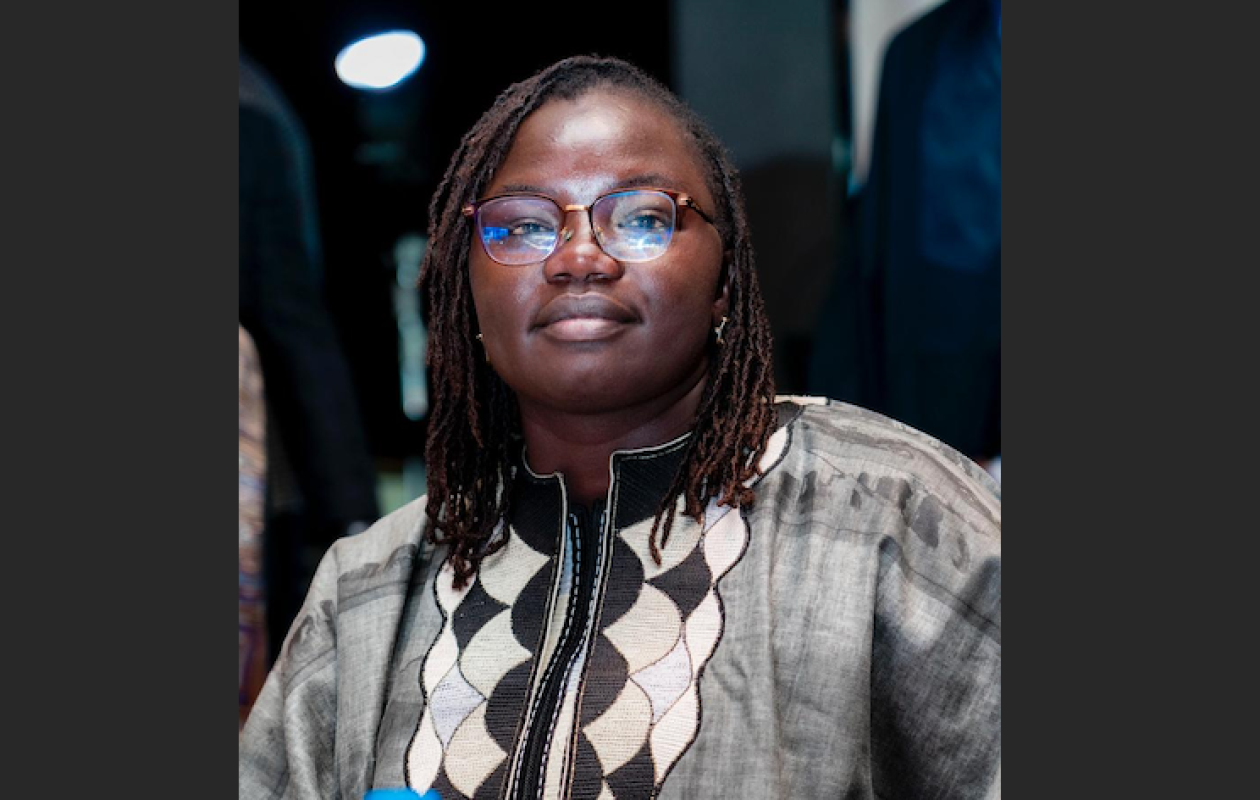
[8 mars] Fatou Warkha Samb : « Le patriarcat est un système qui peut aussi être reproduit par des femmes »
Women in Senegal still face violence, everyday sexism, and institutional obstacles that limit their freedom and their voices. In an interview with Seneweb on the occasion of International Women's Day (March 8), journalist and feminist activist Fatou Warkha Samb discusses these challenges and explains how to break the silence, strengthen women's solidarity, and defend the rights of women and girls.
In your novel Assigned to Silence, you dissect the social mechanisms that stifle women's voices. How do these silences manifest themselves today for Senegalese activists?
Fatou Warkha : Silence is not simply an absence of speech. It is a deeply ingrained social mechanism. Girls learn very early on that speaking can be disruptive, endangering, or break the family order.
In many situations, particularly in the face of violence, silence is presented as a form of protection or respectability. But in reality, it often functions as a tool of control. Even today, feminist activists face attempts to discredit them, harassment campaigns, and social and religious pressures aimed at silencing them.
We are seeing a rise in conservative women's movements, particularly around organizations like And Samm Jiko Yi. How do you analyze this opposition?
Patriarchy is not just a system perpetuated by men. It is a social system that can also be reproduced by women. Some internalize these norms and sometimes become their guardians.
This is part of the normal tensions in any society characterized by power dynamics. The history of feminist struggles shows that advances in women's rights have often met with resistance, including from other women. But it's important to distinguish between the right to debate and the issue of fundamental rights. When certain discourses seek to restrict women's autonomy or dignity, it becomes necessary to challenge them.
Feminists are sometimes accused of being out of touch with the social and cultural realities of the country. What is your response to this criticism?
This criticism is paradoxical. Our work is precisely rooted in the daily lives of Senegalese women. We work in neighborhoods, we support survivors of violence, we document injustices, and we advocate for improved laws and public policies. If our message is unsettling, it's often because it sheds light on realities that many prefer to keep silent.
"Every femicide is an expression of a system of violence."
Faced with the resurgence of femicides and extreme violence, are the criminal justice responses adequate?
Every femicide is not simply a news item. It is the most extreme expression of a system of violence that often begins long before, in impunity and silence. Legal responses exist, but they remain insufficient. Victims and their families face numerous obstacles: difficulties in filing a complaint, slow procedures, and a lack of support.
"Rape survivors sometimes suffer a double violence."
The debate on medical abortion in cases of rape or incest remains very sensitive. How do you approach this issue?
It is important to remember that Senegal has ratified the Maputo Protocol, which provides access to safe abortion in cases of rape or incest. Today, some survivors suffer a double injustice: the violence of the assault itself, followed by the violence of a system that can force them to carry the pregnancy resulting from this crime. If we truly wish to uphold moral or religious values, the first priority should be to protect victims and respect their dignity.
"Everyday sexism shapes mindsets."
Beyond extreme violence, how do you analyze everyday sexism in society?
Sexism isn't only manifested in violence. It also exists in everyday comments, jokes, and certain social representations that confine women to limited roles. This everyday sexism may seem commonplace, but it shapes mindsets from childhood and ultimately normalizes inequality.
Despite the parity law, women remain underrepresented in positions of power. Why?
The parity law was a significant step forward. But quotas alone are not enough. Women's numerical presence does not automatically guarantee real influence, especially when political and institutional structures remain marked by patriarchal logic. Parity must become a lasting transformation of the very functioning of our institutions.
Has your activism ever brought you into conflict with the authorities?
Feminist activism sometimes involves tensions with the authorities, particularly when we denounce injustices or shortcomings in the protection of women and girls. But advocacy isn't just about opposition. It's also about building a power dynamic among citizens to influence public policy. Change is often slow, but every mobilization helps shift the status quo.




















Commentaires (17)
Participer à la Discussion
Règles de la communauté :
💡 Astuce : Utilisez des emojis depuis votre téléphone ou le module emoji ci-dessous. Cliquez sur GIF pour ajouter un GIF animé. Collez un lien X/Twitter, TikTok ou Instagram pour l'afficher automatiquement.