Informatique et intelligence artificielle : Un programme pour renforcer l’employabilité des non-voyants
Committed to an ambitious digital transformation, Senegal aims to modernize its public services and build a more inclusive digital economy. However, access to technology remains unequal, particularly for people living with visual impairments. The lack of appropriate training, the still limited accessibility of digital content, the cost of specialized equipment, and insufficient consideration of their needs all hinder their access to education, employment, and essential services.
It is in this context that the STMicroelectronics Foundation, created in 2001 to promote smarter, more sustainable and inclusive development through digital technologies, continues its commitment to the inclusion of visually impaired people.
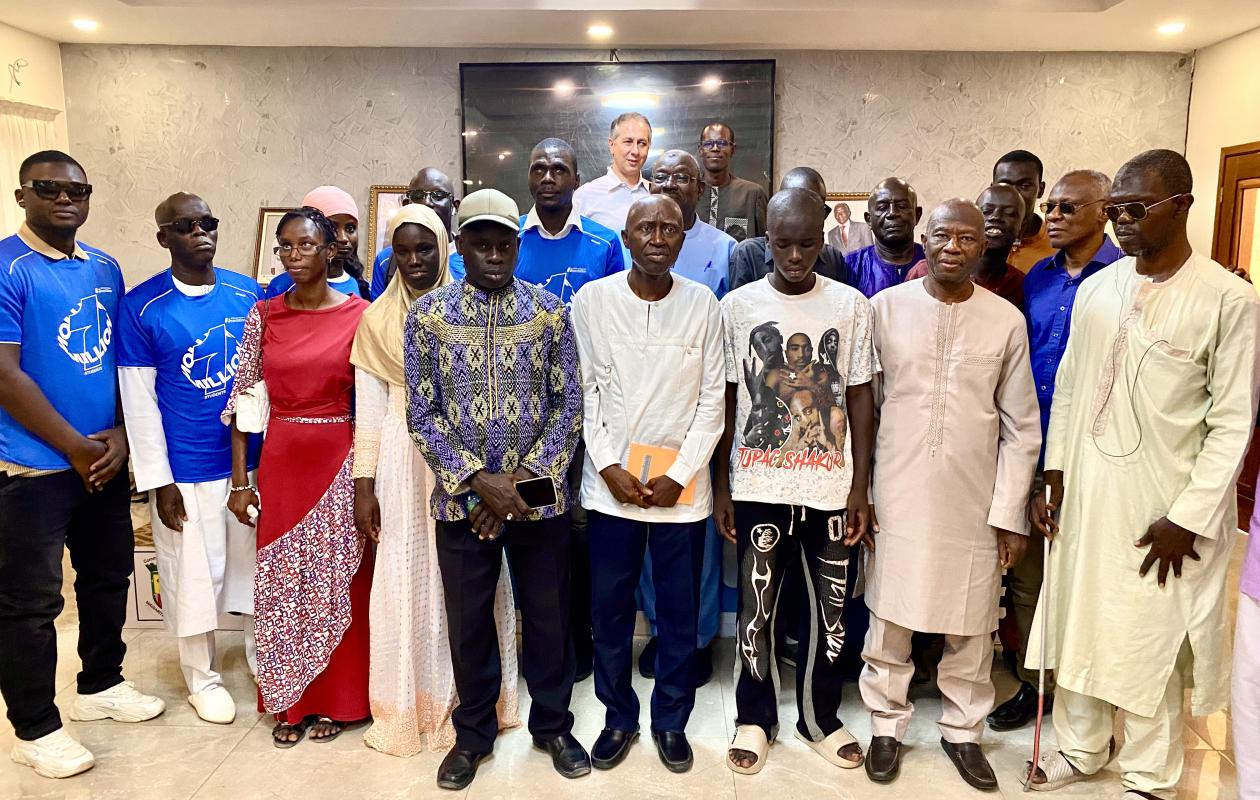
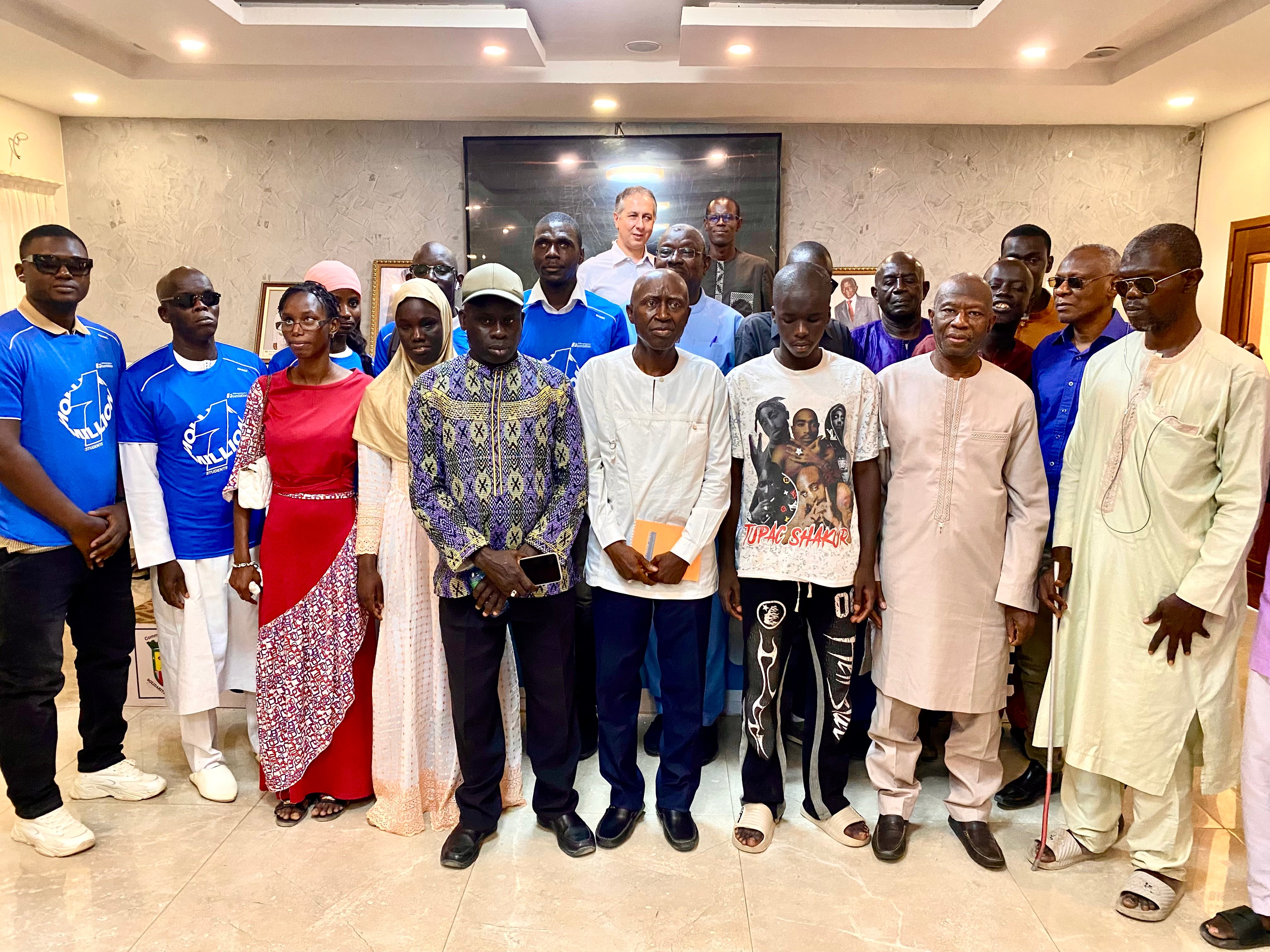
The Biscuiterie town hall hosted the launch of an advanced level of computer training for blind and visually impaired people this Monday. Implemented by the STMicroelectronics Foundation, in partnership with the International Telecommunication Union (ITU) through the ICB4VI program, this initiative aims to strengthen the digital skills of participants to promote their independence and professional integration.
Since its launch, the program has trained 700 blind and visually impaired people, as well as 20 trainers, creating a network of skills capable of ensuring the sustainability of the training.
Following an initial level focused on computer fundamentals, this new phase will allow trainers to deepen their knowledge of advanced Word, advanced Excel, professional word processing, and the use of artificial intelligence. The goal is to provide them with modern tools enabling them to effectively support participants in their training and professional integration.
Present at the ceremony, the deputy mayor of Biscuiterie, Ndiaga Dieng, welcomed the organization of this session in his municipality. "This is an activity that is very important to us. We are honored to be the community hosting this inclusive program, which is a real asset for all communities," he declared.
One of the training modules dedicated to artificial intelligence will be led by Cristian Bernareggi, a university professor in Italy, an expert in digital accessibility, and himself blind. Returning to Senegal four years after his initial mission, he explained that he has focused his research on adapting AI to the needs of visually impaired people.
"I have directed my research towards how to use artificial intelligence for blind people. This program will allow them to process texts and produce professional graphics. Artificial intelligence should be considered as a tool that helps humans work more efficiently, not to replace them," he stressed.
For the participants, this training represents a new step towards greater digital autonomy. "Today, we are able to use the computer just like sighted people. If we benefit from capacity building in mastering artificial intelligence, it can only be beneficial," testified El Hadji Sarr, a blind participant.




















Commentaires (0)
Participer à la Discussion
Règles de la communauté
💡 Astuce : Utilisez des emojis depuis votre téléphone ou le module emoji ci-dessous. Cliquez sur GIF pour ajouter un GIF animé. Collez un lien X/Twitter, TikTok ou Instagram pour l'afficher automatiquement.
Se connecter
Commentez avec votre profil, votre photo, et soyez averti des réponses.